
Treatment And Medicine
What are 5 symptoms of shingles? A Complete Guide to Signs, Stages and When to Act
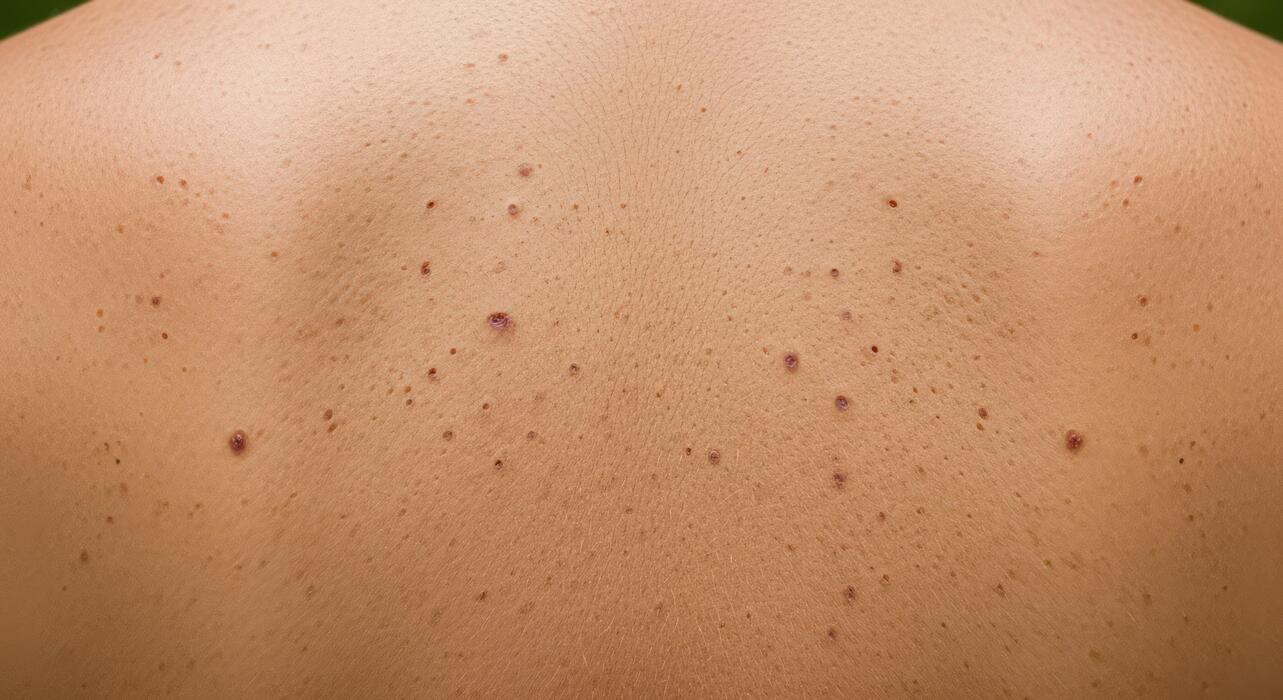
Jun
What are 5 symptoms of shingles? It sounds like a simple question, but shingles has a way of disguising itself, especially in those first confusing days before the rash appears. Many people spend a week convinced they have pulled a muscle, caught a bug, or developed some mystery skin allergy, when in reality the varicella-zoster virus has quietly woken up in their nervous system and is making its way to the surface. Knowing what to look for, and when, can genuinely change how well you recover.
Shingles affects roughly one in three people at some point in their lives1. That is a significant number. And yet awareness of its early symptoms remains surprisingly low, which means too many people miss the window for antiviral treatment that could reduce their pain and speed up recovery. So let us get into it properly.
The 5 Main Symptoms of Shingles Explained

When people ask what are 5 symptoms of shingles, they are usually hoping for a clear checklist. Here it is. These five signs are the ones most consistently reported, and they tend to appear in roughly this order:
- Burning, tingling, or stabbing pain in a localised area of skin, often before anything is visible.
- Heightened skin sensitivity, sometimes called allodynia, where even light touch, clothing, or a breeze feels painful or deeply uncomfortable.
- Flu-like symptoms including headache, fatigue, and a mild fever, without the typical cold or respiratory symptoms.
- A red rash appearing on one side of the body, usually a few days after the pain begins.
- Fluid-filled blisters that develop from the rash, burst, and then crust over into scabs.
These five symptoms are not always equally obvious. Some people sail through with mild discomfort. Others find the pain genuinely debilitating. And the psychological weight of it, the anxiety, the disrupted sleep, the fear that something worse is going on, is something that does not get talked about nearly enough.
Early Warning Signs: What Shingles Feels Like Before the Rash Appears
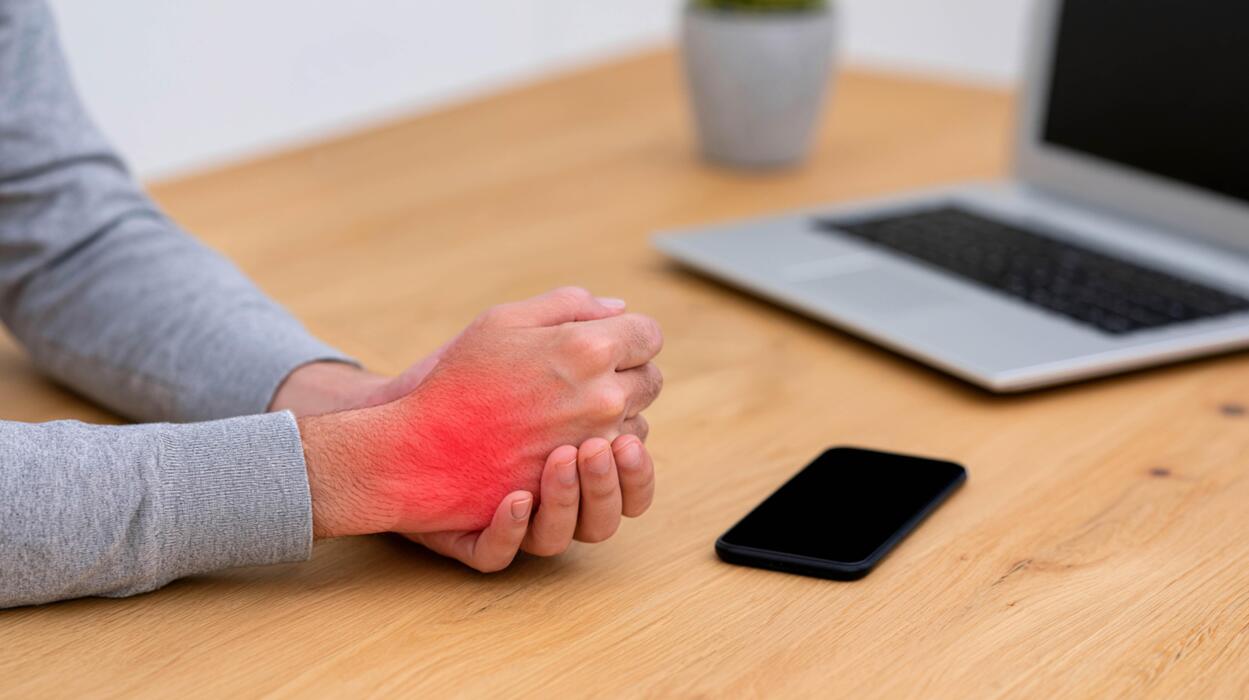
Here is the thing: shingles does not announce itself with a rash. Not at first. The very earliest stage is almost entirely invisible, which is exactly why it gets missed so often.
Days before any skin changes appear, most people notice a strange, localised sensation. It might feel like burning, like an electric tingling, or like a deep ache that does not quite match any injury they can remember. One area of skin, usually on one side of the chest, back, or face, starts to feel wrong. Odd. Hypersensitive.
My aunt described it as feeling like she had badly bruised her ribs, except she had not fallen or knocked herself at all. She spent four days assuming she had slept awkwardly. By the time the blisters appeared, she had missed the early treatment window. Anyway, that kind of story is frustratingly common.
According to NHS guidance, the first signs of shingles can include tingling or a painful feeling in an area of skin, along with headache or a general sense of being unwell, appearing several days before the rash1. So if you feel oddly off, with unexplained localised pain and a vague flu-like heaviness, it is worth taking seriously.
Flu-Like Symptoms in the Early Stage
The flu-like phase of shingles is a bit deceptive. You might feel:
- Unusually tired, even after a full night’s sleep.
- A mild fever or chills, without any obvious respiratory illness.
- A dull headache that does not respond well to paracetamol.
- General malaise, that vague sense of being not quite right.
What you typically will not have is a runny nose, sore throat, or cough. That is the clue. If the flu-like symptoms are paired with that strange, localised skin pain, shingles moves up the list of possibilities.
Understanding the Shingles Rash: Appearance and Progression
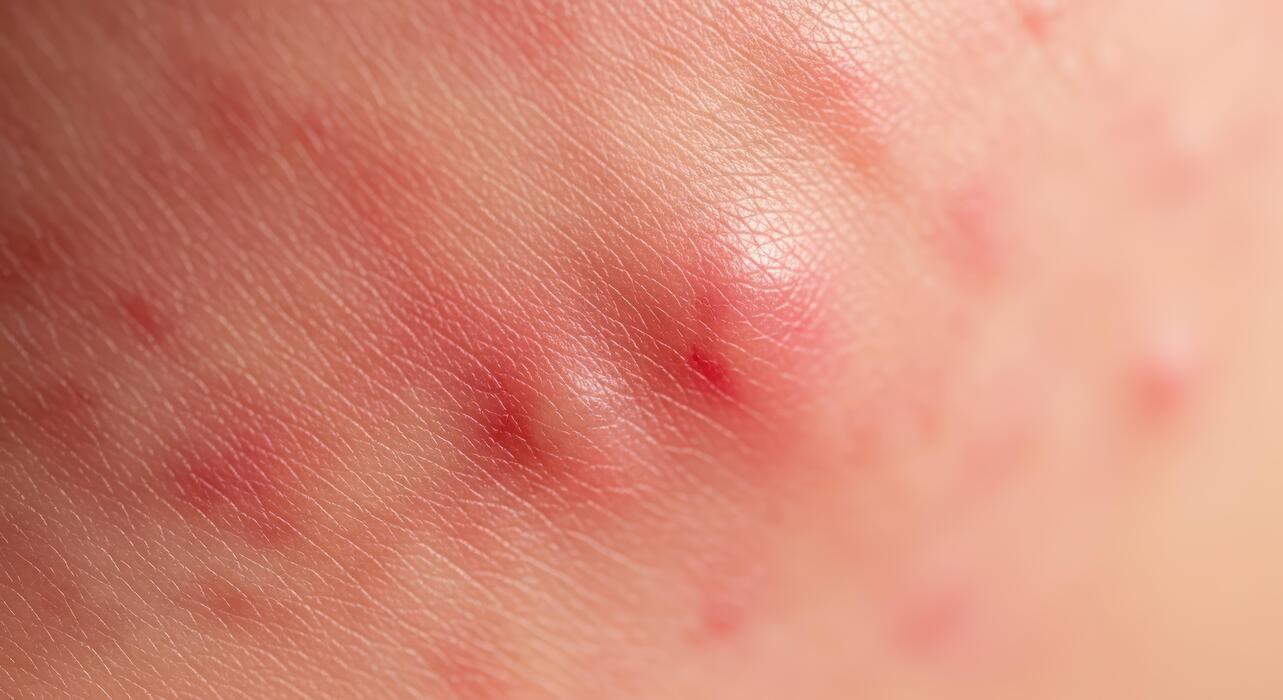
Once the rash arrives, shingles becomes much easier to identify. The pattern is quite specific and, once you know what you are looking at, fairly unmistakable.
It starts as red blotches or patches, typically on one side of the body only. This one-sided presentation is a hallmark of shingles. The virus travels along a single nerve pathway (called a dermatome), so the rash follows that nerve’s territory and almost never crosses the midline of the body.
Within a day or two, those red blotches develop into clusters of fluid-filled blisters. These blisters are itchy, tender, and can be quite painful. Over the following week or so, the blisters burst, ooze fluid, and then begin to dry out and form scabs. The whole rash phase typically lasts two to four weeks, though this varies considerably.
Where Does the Rash Appear?
Shingles most commonly appears on the torso, running in a band around one side of the chest or abdomen. But it can appear anywhere the varicella-zoster virus has dormant nerve cells, which is essentially anywhere in the body. Common locations include:
- One side of the chest or back (most frequent).
- The face, particularly around the eye or forehead.
- The neck or scalp.
- The lower back or buttocks.
- Occasionally the arm or leg.
Shingles on the face deserves special mention. When it affects the branch of nerve supplying the eye, it can cause redness, pain, and swelling around the eye socket. This is an emergency. Seriously. Do not wait and see.
The rash almost always stays on one side of the body, following the path of a single nerve. That stripe-like pattern is one of the clearest visual clues that shingles is the culprit.
Flu-Like Symptoms and Systemic Signs of Shingles
Beyond the local skin symptoms, shingles can affect how your whole body feels. This systemic dimension is often underplayed, but it matters for understanding the full picture.
The immune system is working hard during a shingles episode. The body is fighting an active viral reactivation, and that takes energy. People often report profound fatigue that goes well beyond what the skin symptoms alone would explain. Some experience light sensitivity or difficulty concentrating. Others feel emotionally flat or low, which is not surprising given the physical toll.
Is it any wonder, then, that quality of life takes a real hit during shingles? The combination of nerve pain, disrupted sleep, and systemic unwellness creates a genuinely miserable experience for many people, particularly older adults who may already have less immune reserve.
Psychological and Emotional Impact
This is the part that rarely makes it into the symptom lists. Shingles can cause real psychological distress. The pain is often unpredictable, coming in waves or triggered by the lightest touch. That unpredictability is exhausting and anxiety-inducing. Some people develop low mood or even depression during or after a shingles episode, particularly if post-herpetic neuralgia (the nerve pain that lingers after the rash clears) sets in.
If you are supporting someone through shingles, or going through it yourself, it is worth acknowledging this. The emotional experience is valid. And if you are already managing anxiety or stress, which can themselves be triggers for viral reactivation, getting proper support matters. Understanding options for managing pain and anxiety during recovery can make a real difference to how the whole episode feels.
When to Seek Medical Help: Recognising Shingles Symptoms

Timing matters enormously with shingles. Antiviral medications, such as aciclovir or valaciclovir, are most effective when started within 72 hours of the rash appearing2. After that window, their benefit diminishes significantly. So if you suspect shingles, do not wait for the rash to fully develop before contacting your GP or pharmacist.
You should seek urgent medical attention if:
- The rash is near or affecting your eye.
- You have a weakened immune system (due to illness, medication, or cancer treatment).
- You are pregnant.
- The rash is widespread, covering large areas of the body.
- You develop symptoms of bacterial infection in the rash area, such as increasing redness, warmth, or pus.
- You are over 50 and the rash is severe or particularly painful.
Look, even if you are not sure it is shingles, describing the symptoms to a healthcare professional is always the right move. A one-sided burning pain followed by a rash is enough reason to get it checked. Prescription medication guidance is available through regulated healthcare providers, and early treatment is worth every bit of the effort to get it.
How Shingles Symptoms Progress Over Time
Understanding the timeline helps. Shingles does not happen all at once. It unfolds in stages, and knowing where you are in that progression can reduce some of the anxiety around what is coming next.
| Stage | Typical Timing | Key Symptoms |
|---|---|---|
| Prodromal phase | Days 1 to 5 before rash | Localised pain, tingling, headache, flu-like malaise |
| Rash onset | Days 1 to 3 of rash | Red blotches appearing on one side of body |
| Blister phase | Days 3 to 10 | Fluid-filled blisters, itching, significant pain |
| Crusting phase | Days 7 to 14 | Blisters burst and crust over, pain may ease |
| Resolution | Weeks 2 to 4 | Scabs fall off, skin heals, pain usually resolves |
Post-herpetic neuralgia, where nerve pain persists for months after the rash clears, affects a significant proportion of older adults. It is one of the most compelling reasons to seek antiviral treatment early, because prompt treatment reduces the risk of this complication.
Risk Factors and Who Is Most Likely to Develop Shingles
Anyone who has had chickenpox can develop shingles. The varicella-zoster virus does not leave the body after the initial infection. It retreats into nerve tissue and waits, sometimes for decades. What triggers it to reactivate? Usually a dip in immune function.
The risk increases significantly with age. Adults over 50 are much more likely to develop shingles, and the episodes tend to be more severe. But I digress, because age is not the only factor. Other risk factors include:
- Being immunocompromised due to HIV, cancer, or immunosuppressant medications.
- High levels of chronic stress (there is real evidence linking psychological stress to viral reactivation).
- Poor nutrition and deficiencies in immune-supporting nutrients such as vitamin D, zinc, and B vitamins.
- Physical illness or surgery that temporarily suppresses immune function.
The shingles vaccine (Shingrix) is available on the NHS for adults over 70, and privately for those between 50 and 70. It significantly reduces both the risk of developing shingles and the severity of symptoms if it does occur. Worth talking to your GP about if you are in that age bracket.
Nutritional and Immune Support During Recovery
This is an area that does not get enough attention. While antiviral medication is the cornerstone of treatment, supporting the immune system nutritionally during and after a shingles episode makes genuine sense from a whole-person perspective.
Vitamin D, vitamin C, zinc, and B12 all play roles in immune function and nerve health. Deficiencies in any of these are not uncommon, particularly in older adults. There is no magic supplement that will clear shingles on its own (anyone claiming otherwise is selling something), but ensuring your body has the raw materials it needs to fight infection and repair nerve tissue is just sensible.
Lysine, an amino acid found in meat, fish, eggs, and dairy, has some traditional use in managing herpes family viruses, though the evidence in shingles specifically is limited. Arginine, found in nuts and seeds, is thought to potentially promote viral activity in some herpes viruses. Whether that translates meaningfully to shingles management in real life is unclear. But it is the kind of nuanced, whole-body thinking that complements medical treatment rather than replacing it.
This content is for informational purposes only and does not constitute medical advice. Always consult a qualified healthcare professional before starting any new supplement, herbal remedy, or treatment plan. Do not use this information to diagnose or treat any health condition without professional guidance.
References
- Shingles – NHSnhs.uk
- Shingles (Herpes Zoster) – NICE CKScks.nice.org.uk
Frequently asked questions
What are 5 symptoms of shingles that appear first?
The five earliest symptoms of shingles are burning or tingling pain in a specific area of skin, heightened sensitivity to touch, flu-like feelings such as headache and fatigue, itching, and then the appearance of a red rash. These symptoms often arrive in that rough order, with the rash typically following the pain by two to three days. Spotting them early is important because antiviral treatment works best when started quickly.
Can you have shingles without a visible rash?
Yes, and this is sometimes called zoster sine herpete. The nerve pain, tingling, and sensitivity can all occur without any rash ever appearing on the skin. It is rare but it does happen, which makes diagnosis tricky and means doctors sometimes rely on blood tests or other investigations to confirm the virus is active.
What are the very first signs of shingles before the rash appears?
Before the rash shows up, most people notice a localised burning, stabbing, or tingling sensation in one area of the body. This can be accompanied by general unwellness, headache, and sometimes a mild fever. Some people describe the skin feeling almost unbearably sensitive to even light touch or clothing, which is a real giveaway that something neurological is going on.
How long does it take for shingles symptoms to develop into a full rash?
The rash usually appears within two to five days of the first pain or tingling symptoms. It starts as red blotches on one side of the body, then progresses to fluid-filled blisters over the following days. Those blisters typically burst and crust over within seven to ten days, with the full episode often lasting two to four weeks.
Which areas of the body are most commonly affected by shingles?
Shingles most commonly affects the torso, appearing as a band or stripe on one side of the chest or abdomen. It can also affect the face, particularly around the eye (which needs urgent attention), the neck, and occasionally the lower back or limbs. The key pattern is that it almost always stays on one side of the body, following the path of a single nerve.
How can you tell the difference between a shingles rash and other skin conditions?
The shingles rash is distinctive because it appears in a band or stripe on just one side of the body, rarely crossing the midline. It is almost always preceded by pain or tingling in that exact area before any skin changes appear. Other rashes like eczema or contact dermatitis tend to be more widespread and are not associated with that specific nerve-pain pattern beforehand.