
Treatment And Medicine
How to Fall Asleep Faster Naturally: Evidence-Based Methods That Actually Work
Jul
Knowing how to fall asleep faster naturally is something people have sought for centuries, long before sleep clinics or pharmaceutical interventions existed. My grandmother had her rituals: warm milk, a particular blanket arrangement, a window cracked open exactly two inches. Turns out, modern sleep science has a lot to say about why some of those habits were genuinely sensible, and why others were probably just comfort. Anyway, the point is this: the evidence base for natural sleep improvement has grown substantially, and it is worth understanding what actually works, what is weak evidence, and what is outright myth.
The Science Behind Natural Sleep: Why Your Body Needs Better Sleep Hygiene
Sleep is not a passive state. It is an active, highly regulated biological process governed by two primary systems: the circadian rhythm (your internal 24-hour clock) and sleep pressure (the build-up of adenosine, a chemical that accumulates the longer you stay awake). When both systems align, falling asleep quickly feels effortless. When they are disrupted, you end up staring at the ceiling at 1am wondering why your brain refuses to cooperate.
According to the NHS, roughly one in three people in the UK will experience insomnia at some point in their lives1. That is a staggering proportion of the population struggling with something that, in many cases, can be meaningfully improved without reaching for a prescription. The trouble is that most people do not know where to start, or they try one technique for two nights, give up, and assume it does not work for them.
Sleep hygiene, a term that sounds clinical but simply means the habits and environment that support good sleep, is the foundation of any natural approach. NICE guidance consistently recommends sleep hygiene interventions as the first-line approach before any pharmacological treatment is considered2. That is not a minor footnote. That is the official clinical position in the UK.
Here is the thing: sleep hygiene is not glamorous. It does not come in a capsule. It requires consistency over days and weeks, not overnight transformation. But the evidence behind it is solid, and understanding the science makes it easier to stick with.
10 Proven Natural Techniques to Help You Fall Asleep Faster
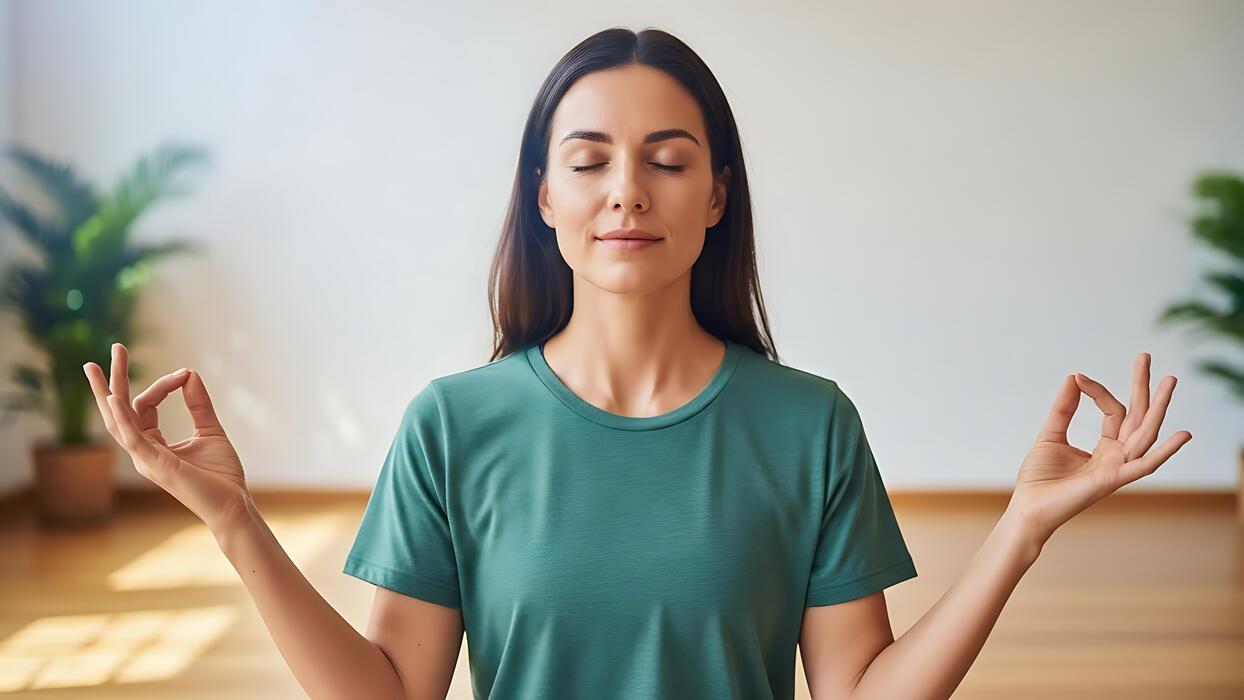
These are not folk remedies. Each of the following techniques has a credible evidence base, though the strength of that evidence varies. Where the data is weaker, I will say so.
- Consistent sleep and wake times: Going to bed and waking at the same time every day, including weekends, is arguably the single most impactful thing you can do. It anchors your circadian rhythm, making sleep onset more predictable and faster over time.
- The 4-7-8 breathing technique: Inhale for 4 counts, hold for 7, exhale slowly for 8. This activates the parasympathetic nervous system, lowering heart rate and cortisol. More on this in the breathing section below.
- Progressive muscle relaxation (PMR): Systematically tensing and releasing muscle groups from feet to forehead. A 2015 meta-analysis found PMR significantly reduced sleep onset latency in clinical populations.
- Cognitive shuffle: Developed by researcher Luc Beaulieu-Prévost, this involves imagining a random sequence of unconnected images (a duck, a lamppost, a red sock) to disrupt ruminative thinking and mimic the hypnagogic state that precedes sleep.
- Stimulus control therapy: Use the bed only for sleep and sex. If you cannot sleep after roughly 20 minutes, get up and do something quiet in dim light until you feel sleepy. This is a core component of CBT-i and has strong evidence behind it.
- Light exposure management: Get bright light (ideally sunlight) within an hour of waking to anchor your circadian rhythm. Avoid bright or blue-spectrum light in the two hours before bed.
- The 10-3-2-1-0 rule: No caffeine 10 hours before bed, no food or alcohol 3 hours before, no work 2 hours before, no screens 1 hour before, zero snooze button presses. Not a formal clinical protocol, but it maps closely onto evidence-based sleep hygiene principles.
- Cold bedroom temperature: Set your bedroom between 16 and 18 degrees Celsius. Core body temperature must drop to initiate sleep, and a cool environment accelerates this process.
- Journalling and worry scheduling: Writing down tomorrow’s tasks or concerns before bed offloads cognitive load. A 2018 study in the Journal of Experimental Psychology found that writing a to-do list before bed helped people fall asleep significantly faster.
- Limiting naps: If you nap, keep it to 20 minutes and before 3pm. Longer or later naps reduce sleep pressure and make it harder to fall asleep at night.
For readers who want to go deeper on rapid sleep techniques, our article on science-backed techniques to fall asleep in 10 seconds covers some of these in more detail.
Foods and Supplements That Naturally Promote Sleep
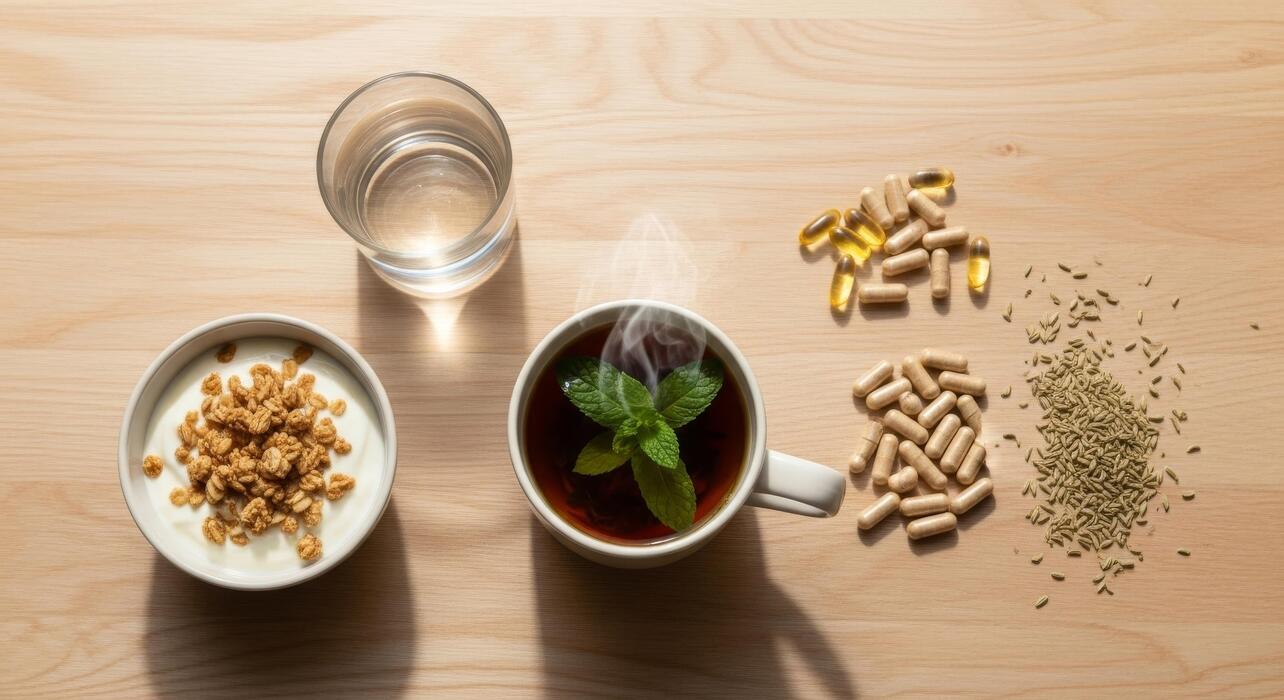
The relationship between diet and sleep is real, but it is also frequently overstated in wellness content. Let me separate what the evidence actually supports from what is mostly marketing.
Foods with genuine sleep-supporting evidence
- Tart cherry juice: Contains naturally occurring melatonin. A small but well-designed study found that drinking tart cherry juice twice daily increased sleep time and efficiency in older adults with insomnia.
- Kiwi fruit: A 2011 study found that eating two kiwis an hour before bed for four weeks reduced sleep onset time by 35% in adults with self-reported sleep disturbance. The mechanism is thought to involve serotonin precursors.
- Oily fish: High in omega-3 fatty acids and vitamin D, both of which have been associated with better sleep quality in observational studies.
- Dairy and turkey: Both contain tryptophan, an amino acid precursor to serotonin and melatonin. The effect is modest but real.
- Chamomile tea: Contains apigenin, a flavonoid that binds to GABA receptors in the brain, producing mild sedative effects. The evidence is limited but consistent.
Natural supplements: what the data says
| Supplement | Evidence Strength | Best For | Notes |
|---|---|---|---|
| Magnesium glycinate | Moderate | People with magnesium deficiency, anxiety-related insomnia | Better absorbed than magnesium oxide; 200-400mg before bed |
| Melatonin | Strong (for jet lag, circadian issues) | Shift workers, jet lag, delayed sleep phase | Available OTC in UK; 0.5-1mg is often sufficient |
| L-theanine | Moderate | Reducing sleep onset anxiety | Found naturally in green tea; promotes relaxed alertness |
| Valerian root | Weak to moderate | Mild insomnia | Evidence inconsistent; generally considered safe short-term |
| Ashwagandha (KSM-66) | Emerging | Stress-related sleep disruption | Some RCT data showing reduced sleep latency; more research needed |
The evidence for magnesium is particularly worth noting. A 2012 randomised controlled trial published in PubMed found that magnesium supplementation significantly improved sleep quality, sleep onset latency, and early morning awakening in elderly subjects4. The effect was most pronounced in those who were deficient to begin with, which is a meaningful caveat.
Breathing Exercises and Relaxation Techniques for Faster Sleep
Controlled breathing is one of the most underrated tools in the natural sleep toolkit. And it is free, has no side effects, and can be done anywhere. So why do not more people use it consistently? Probably because it feels a bit odd at first, and the benefits take a few sessions to become noticeable.
The 4-7-8 technique
Developed by Dr Andrew Weil and based on pranayama breathing, the 4-7-8 method works by extending the exhale phase, which activates the vagus nerve and triggers a parasympathetic (rest and digest) response. Inhale through the nose for 4 counts, hold for 7, exhale through the mouth for 8. Repeat four cycles. It sounds almost absurdly simple. But the physiological mechanism is sound.
Box breathing
Used by US Navy SEALs to manage acute stress, box breathing involves equal counts of inhale, hold, exhale, and hold again (typically 4 counts each). It is particularly effective for people whose racing thoughts are the primary barrier to sleep. Practise it for 5 minutes before bed.
Diaphragmatic breathing
Most adults breathe shallowly into the chest, which keeps the sympathetic nervous system slightly activated. Breathing deeply into the belly, so the stomach rises rather than the chest, shifts this balance. Place one hand on your chest and one on your abdomen; the lower hand should move more than the upper.
Progressive muscle relaxation
Start at the feet: tense the muscles firmly for 5 seconds, then release completely. Work upward through calves, thighs, abdomen, hands, arms, shoulders, and face. The contrast between tension and release produces a deep physical relaxation that is hard to replicate with breathing alone. It is particularly useful for people who carry physical tension from stress or desk-based work.
If you want a broader toolkit for rapid sleep onset, our guide on how to sleep fast in 5 minutes covers several of these techniques with practical step-by-step guidance.
How to Optimise Your Sleep Environment Without Medication
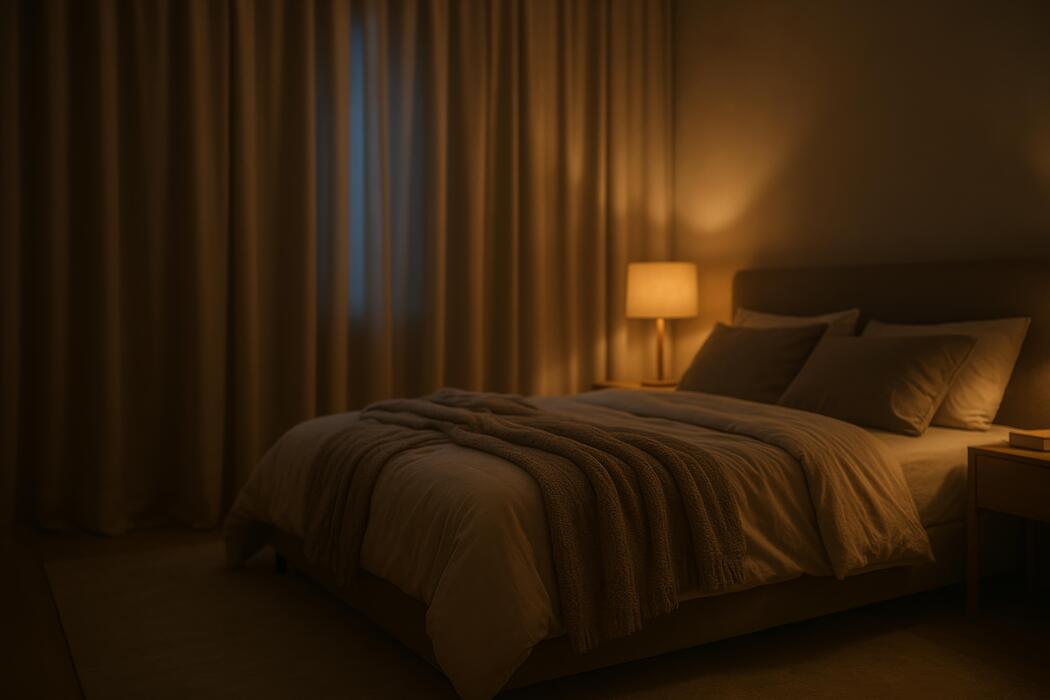
Your bedroom environment is not just a backdrop to sleep. It is an active participant in how quickly you fall asleep and how well you stay asleep. The three most important variables are light, temperature, and noise.
Light
Even small amounts of light during sleep suppress melatonin production. Blackout curtains or a sleep mask are not luxury items; they are genuinely functional sleep tools. Blue-spectrum light from phones and screens is particularly disruptive because it closely mimics daylight and delays the circadian signal to produce melatonin. The NHS recommends avoiding screens for at least an hour before bed as part of standard sleep hygiene advice3.
Temperature
As mentioned earlier, the optimal sleep temperature is approximately 16 to 18 degrees Celsius for most adults. A warm bath or shower taken 1 to 2 hours before bed is a counterintuitive but effective technique: the warm water draws blood to the skin’s surface, and when you step out, core temperature drops rapidly, accelerating the natural pre-sleep temperature decline.
Noise
Complete silence is not necessarily optimal. Many people sleep better with consistent background sound (white noise, pink noise, or brown noise) that masks unpredictable environmental sounds. There is reasonable evidence that pink noise in particular can improve slow-wave (deep) sleep. A simple fan, a white noise machine, or a free app can provide this.
The Role of Melatonin and Natural Circadian Rhythm Regulation
Melatonin is often called the sleep hormone, but that framing is slightly misleading. It does not cause sleep directly. It signals darkness to the brain, telling it that night has arrived and it is time to prepare for sleep. Think of it as a biological sunset rather than a sleeping pill.
Your body produces melatonin naturally in response to darkness, with levels rising in the evening and peaking in the early hours of the morning. Anything that mimics light, particularly blue-spectrum light from screens, suppresses this rise and delays sleep onset. This is why the screen-before-bed advice is not just conventional wisdom; it has a clear mechanistic basis.
Low-dose melatonin supplements (0.5mg to 1mg) are available over the counter in the UK and have the strongest evidence for circadian disruption scenarios: jet lag, shift work, and delayed sleep phase syndrome. For general insomnia without a circadian component, the evidence is weaker but still present. Higher doses are not necessarily more effective and may actually blunt the body’s own melatonin production over time.
Melatonin is not a sedative. It is a timing signal. Understanding that distinction changes how you use it and what you expect from it.
Exercise and Timing: When to Move Your Body for Better Sleep
Regular physical activity is one of the most consistently supported lifestyle interventions for sleep quality. But the timing matters more than most people realise.
Morning or early afternoon exercise is ideal. It raises core body temperature, which then falls over the course of the day, reinforcing the natural pre-sleep temperature drop. It also increases adenosine build-up (sleep pressure) and can anchor the circadian rhythm through light exposure if done outdoors.
Vigorous exercise within two to three hours of bedtime is where it gets complicated. For most people, it raises core temperature and cortisol at a time when the body is trying to do the opposite. However, some individuals, particularly those who are physically fit, tolerate evening exercise without sleep disruption. The evidence here is genuinely mixed, so individual experimentation is reasonable.
- Aim for at least 150 minutes of moderate aerobic exercise per week (NHS physical activity guidelines)
- Resistance training also improves sleep quality, particularly slow-wave sleep
- Even a 20-minute walk in natural light in the morning has measurable effects on sleep timing
- Yoga and stretching in the evening are generally beneficial, not disruptive
Common Sleep Mistakes That Slow Down Your Recovery
Frustratingly, some of the things people do to try to sleep better actually make things worse. Here are the most common culprits.
Watching the clock
Clock-watching during the night activates the prefrontal cortex (the problem-solving part of the brain) and increases anxiety about not sleeping. Turn the clock away or remove it from the bedroom entirely. Seriously.
Alcohol as a sleep aid
Alcohol is sedating, which is why so many people use it to wind down. But it fragments sleep in the second half of the night by suppressing REM sleep and increasing arousal. You may fall asleep faster, but you will sleep worse overall. It is a rubbish trade-off.
Spending too long in bed
Lying in bed for nine or ten hours when you only sleep six creates a mismatch between time in bed and actual sleep, which weakens sleep pressure. Sleep restriction therapy, a component of CBT-i, deliberately limits time in bed to consolidate sleep. It feels counterintuitive but has strong evidence behind it.
Inconsistent wake times
Many people keep a consistent bedtime but vary their wake time significantly at weekends. This is sometimes called social jet lag and it disrupts the circadian rhythm in the same way that travelling across time zones does. The wake time is actually more important than the bedtime for anchoring your rhythm.
Catastrophising about sleep
The anxiety about not sleeping often becomes more disruptive than the sleep problem itself. Cognitive restructuring, a key component of CBT-i, addresses this directly. Thoughts like
References
- Insomnia – NHSnhs.uk
- Insomnia – NICE Clinical Knowledge Summarycks.nice.org.uk
- Sleep and sleep disorders – NHSnhs.uk
- Magnesium and sleep – PubMedpubmed.ncbi.nlm.nih.gov