
Treatment And Medicine
What to Drink to Fall Asleep Fast: Natural Beverages That Actually Work
Knowing what to drink to fall asleep fast sounds like the sort of thing your nan would know off the top of her head. And honestly? She probably did. But the difference between folk wisdom and something that actually holds up is evidence, and some of these drinks have more of it than you might expect.
Most natural sleep remedy claims crumble the moment you look closely. But a handful of beverages, from chamomile tea to warm milk to tart cherry juice, have real science behind them. Not pharmaceutical-grade trials, sure, but enough well-designed studies to say: these are worth trying. So let us go through them properly, with measurements, timing, honest caveats, and all.
What to Drink to Fall Asleep Fast: Natural Beverages Explained
Sleep-promoting drinks work through a few different biological pathways. Some influence GABA receptors in the brain, the same receptors targeted by many prescription sedatives, just far more gently. Others boost the availability of tryptophan, an amino acid that converts into serotonin and eventually melatonin. And some simply warm the body, triggering a natural drop in core temperature that signals it is time to sleep.
According to the NHS, roughly one in three people in the UK experience insomnia at some point2. That is a lot of people lying awake staring at the ceiling. And while drinks alone won’t fix chronic insomnia, they can meaningfully reduce sleep onset time for people dealing with mild to moderate sleep difficulty.
Here is a quick overview of the main options and how they compare:
| Drink | Main Active Compound | Estimated Onset | Best For |
|---|---|---|---|
| Chamomile tea | Apigenin | 30 to 60 minutes | Reducing anxious thoughts at bedtime |
| Warm milk | Tryptophan, magnesium | 30 to 45 minutes | General sleep onset support |
| Passionflower tea | Chrysin, GABA-boosting flavonoids | 45 to 60 minutes | Racing mind, mild anxiety |
| Valerian root tea | Valerenic acid | 30 to 60 minutes | Stronger sedative effect needed |
| Tart cherry juice | Melatonin, tryptophan | 60 to 90 minutes | Improving total sleep duration |
| Magnesium drink | Magnesium glycinate/citrate | 45 to 75 minutes | Muscle tension, restlessness |
Best Herbal Teas for Quick Sleep: Evidence-Based Options
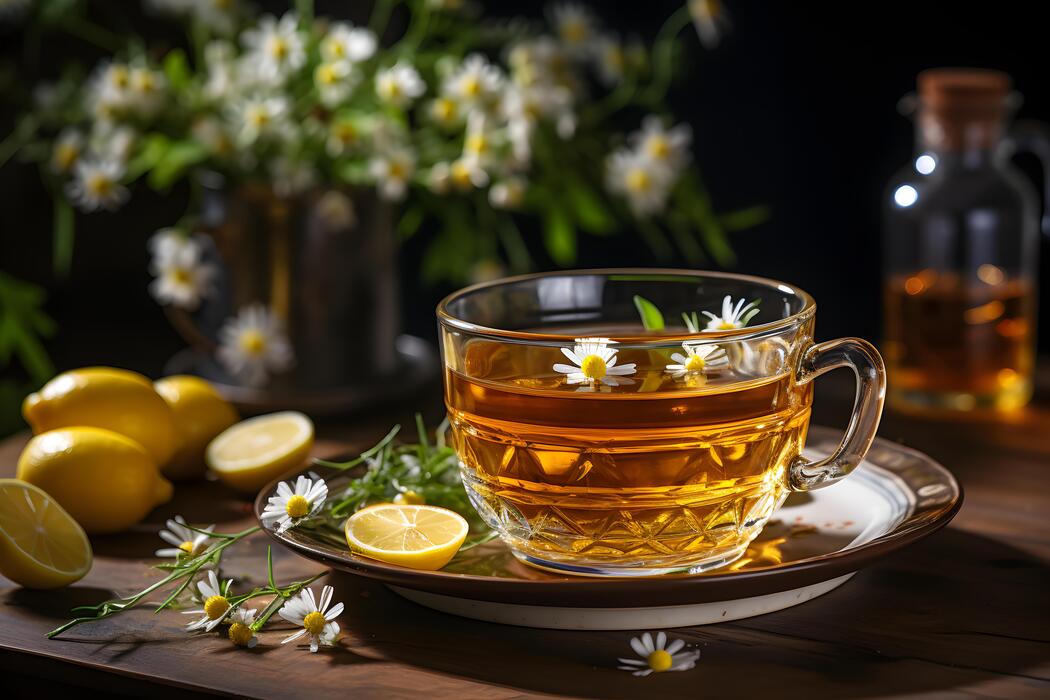
Herbal teas are probably the most popular answer to the question of what to drink to fall asleep fast, and for good reason. They are cheap, widely available, and backed by a growing body of research.
Chamomile Tea
Chamomile is the one most people reach for first, and it earns that reputation. The key compound is apigenin, a flavonoid that binds to benzodiazepine receptors in the brain, producing a mild calming effect without the dependency risks associated with prescription sedatives1. A 2017 study found that elderly participants who took chamomile extract fell asleep significantly faster and woke less frequently during the night compared to a placebo group.
How much? One mug (around 240ml) brewed for eight to ten minutes is the sweet spot. Use two tea bags if you want a stronger effect. Drink it about 45 minutes before bed. And avoid adding sugar, which can spike blood glucose and actually make sleep harder.
Passionflower Tea
Passionflower is less well known but genuinely impressive. It contains flavonoids that appear to increase levels of GABA in the brain, the neurotransmitter responsible for reducing neural activity. Think of GABA as your brain’s volume-down button. A small but well-designed trial found that one cup of passionflower tea per day for a week improved subjective sleep quality compared to a placebo1.
It is particularly good if your problem is a racing mind rather than physical restlessness. Brew it for five minutes, and expect a slightly floral, grassy taste. Not unpleasant. Actually quite nice.
Valerian Root Tea
Valerian is the stronger option. Valerenic acid, its main active compound, inhibits the breakdown of GABA, producing a more pronounced sedative effect. According to Examine.com, valerian may reduce the time it takes to fall asleep and improve sleep quality, though the evidence is mixed across studies3.
The honest caveat: valerian tea smells and tastes like old socks. Seriously. Many people find it easier to take as a capsule supplement rather than a tea. If you do brew it, steep for ten minutes and consider adding honey and lemon to mask the flavour. Also worth knowing: valerian can interact with sedative medications, so check with your pharmacist if you take anything regularly.
Warm Drinks That Help You Sleep Faster
There is something almost instinctively comforting about a warm drink before bed. And it turns out that instinct has a physiological basis. Drinking something warm raises your body temperature slightly, and then as your body works to cool back down, that temperature drop mimics the natural process your body goes through when preparing for sleep. Clever, really.
Any warm, non-caffeinated drink can trigger this effect to some degree. But some warm drinks bring additional sleep-specific compounds to the table.
Warm Water with Honey and Lemon
Simple but underrated. Honey contains small amounts of tryptophan and also causes a modest insulin release, which can help tryptophan cross the blood-brain barrier more efficiently. The warm water provides the temperature effect. The lemon is mostly for taste, but vitamin C does play a role in cortisol regulation, and high cortisol at bedtime is one of the main reasons people lie awake feeling wired.
My aunt swears by this one. She had terrible sleep for years after her husband passed, and her GP (quite rightly) didn’t want to start her on anything habit-forming long-term. Her pharmacist suggested warm honey and lemon as a wind-down ritual, and she says it’s as much about the routine as the drink itself. Anyway, the point is, sometimes the simplest things work.
Golden Milk (Turmeric Milk)
Golden milk is warm milk with turmeric, black pepper, and sometimes ginger. The turmeric provides curcumin, which has anti-inflammatory properties that may indirectly support sleep by reducing systemic inflammation (a known disruptor of sleep architecture). The warm milk base adds tryptophan. It is a nice combination, and it tastes genuinely good.
Recipe: heat 250ml of full-fat milk, whisk in half a teaspoon of turmeric, a pinch of black pepper (this dramatically increases curcumin absorption), and a small drizzle of honey. Drink 30 to 40 minutes before bed.
Can Milk Really Help You Fall Asleep? Science Explains
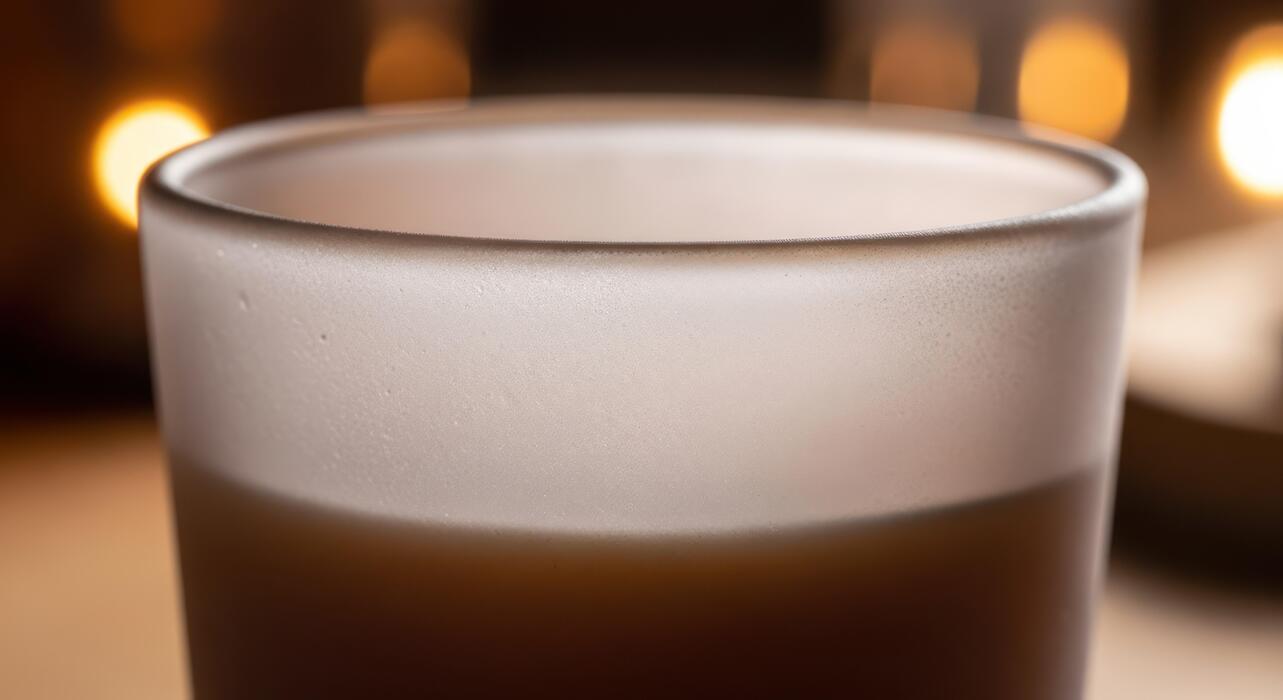
Yes, with some nuance. Warm milk’s reputation as a sleep aid is not just nostalgia. It contains tryptophan, which the body uses to produce serotonin and melatonin4. It also contains magnesium and calcium, both of which support healthy nerve function and muscle relaxation.
The honest truth is that the amount of tryptophan in a single glass of milk is relatively modest. You’d need a lot of milk to get pharmacologically significant doses. But here’s the thing: it doesn’t need to work like a drug to be useful. Even a small nudge in the right neurochemical direction, combined with the warmth and the ritual of drinking something calming, can meaningfully reduce the time it takes to drop off.
Full-fat milk appears to work slightly better than skimmed, possibly because the fat content helps slow digestion and maintain a steadier release of tryptophan. Heat it to around 60 degrees Celsius, which is hot but not scalding. And drink it slowly, not gulped down in thirty seconds.
References
- Chamomile: A herbal medicine of the past with bright future – PubMedpubmed.ncbi.nlm.nih.gov
- Insomnia – NHSnhs.uk
- Valerian root – Examine.comexamine.com
- Tryptophan – Examine.comexamine.com