
Treatment And Medicine
How to Fall Asleep Faster and Stay Asleep Longer: The Complete Guide
Jul
Here is something that might surprise you: a growing body of research suggests that the way most of us try to fix our sleep is actually making it worse. If you have ever lain in bed desperately willing yourself to drift off, or woken at 3am with a racing mind and no idea how to fall asleep faster and stay asleep longer, you are not alone. And the wellness industry has not been entirely honest with you about why.
Sleep is not a switch. It is a biological process shaped by your nervous system, your hormones, your gut, your stress levels, and yes, even the temperature of your feet. Understanding that is the first step to genuinely fixing it. Not hacking it. Fixing it.
This guide covers everything from rapid sleep-onset techniques to the nutritional gaps that quietly wreck your nights, with real evidence behind each recommendation. No fluff. No miracle promises. Just practical, grounded information you can actually use tonight.
How to Fall Asleep Faster: Science-Backed Techniques That Actually Work
The biggest myth about falling asleep faster is that you need to try harder. You do not. Sleep onset happens when your nervous system shifts from sympathetic (alert, reactive) to parasympathetic (calm, restorative) mode. Anything that forces or pressures that transition tends to backfire spectacularly.
According to the NHS, most adults need between seven and nine hours of sleep per night, and persistent difficulty falling asleep is one of the most common complaints GPs hear1. But the fix rarely starts with a pill. It starts with understanding your body’s own signals.
The 4-7-8 Breathing Method
Developed by Dr Andrew Weil and rooted in pranayama breathing traditions, the 4-7-8 technique works by activating the parasympathetic nervous system. You inhale for 4 counts, hold for 7, and exhale slowly for 8. That extended exhale is the key. It triggers the vagus nerve, slows your heart rate, and signals to your brain that it is safe to rest.
Try it lying down, with your tongue resting on the roof of your mouth just behind your front teeth. Do four cycles. Most people notice a heaviness in their limbs within two or three rounds. It takes practice, but it genuinely works for many people.
Progressive Muscle Relaxation
This technique involves tensing and then releasing muscle groups from your toes upward. The contrast between tension and release teaches your body what relaxed actually feels like. Many people carry chronic tension in their shoulders, jaw, and abdomen without realising it. Spending ten minutes on progressive muscle relaxation before bed can dramatically reduce the physical restlessness that keeps people awake.
I remember my nan swearing by something similar, though she called it ‘going floppy’ and had no idea it had a clinical name. She would lie flat, squeeze her hands tight, then let go. Sorted, she said. Anyway, the point is this technique has been around far longer than the wellness industry would have you believe.
Cognitive Shuffling
This is a newer technique developed by Canadian cognitive scientist Luc Beaulieu-Prevost. The idea is to deliberately think of random, unconnected images as you fall asleep, mimicking the brain’s natural pre-sleep thought patterns. Instead of replaying your to-do list, you picture a banana, then a lighthouse, then a red sock. The randomness prevents the brain from latching onto anxiety-provoking narratives. Early research is promising, though larger trials are still needed.
For more rapid techniques, including some that work in under a minute, see our guide on how to fall asleep in 10 seconds.
Quick Sleep Tricks: The 2-Minute Navy Seal Method and Other Rapid Techniques
The so-called Navy Seal or military sleep method has gone properly viral online, and for once the hype is at least partially justified. The technique reportedly originated from a 1981 book called Relax and Win: Championship Performance by Lloyd Bud Winter, who worked with US military personnel struggling to sleep in combat conditions.
Here is how it works:
- Relax all the muscles in your face, including your tongue, jaw, and the muscles around your eyes.
- Drop your shoulders as low as they will go, then relax your upper and lower arms one side at a time.
- Exhale slowly and relax your chest as the breath leaves your body.
- Relax your legs, working from your thighs down to your calves and feet.
- Spend 10 seconds picturing one of three calming scenes: lying in a canoe on a still lake, lying in a black velvet hammock in a dark room, or repeating the phrase ‘don’t think’ slowly.
The method is said to work for around 96% of people after six weeks of consistent practice. The catch? You have to actually practise it daily, not just try it once when you are desperate at midnight.
The 3-3-3 Rule for Sleep
The 3-3-3 rule is a pre-sleep protocol: no caffeine for 3 hours before bed (some sources say 6, but 3 is the minimum), no screens for the final 30 minutes, and no large meals within 3 hours of sleep. It is simple, it costs nothing, and it addresses three of the most common physiological disruptors of sleep onset. Not glamorous. But genuinely effective.
The Japanese Sleep Hack and Other Cultural Sleep Methods Explained
The ‘Japanese trick’ to fall asleep faster gets searched thousands of times a month, and honestly, the search results are a bit all over the place. There are a few distinct things people might mean by this term.
The first is Anmian acupressure, a traditional Chinese and Japanese practice involving gentle pressure on specific points thought to calm the nervous system. The Anmian point sits just behind the ear, roughly where the earlobe meets the neck. Pressing it gently for one to two minutes while breathing slowly is said to reduce anxiety and support sleep onset.
The second is the concept of forest bathing (Shinrin-yoku), a Japanese practice involving mindful time in nature. Studies have shown it reduces cortisol levels and improves sleep quality, though it is more of a lifestyle practice than a bedtime trick.
The third, and perhaps most searched, is a breathing-based body scan technique sometimes called the Japanese sleep method online, though its origins are somewhat murky. It involves slow abdominal breathing combined with mentally scanning the body from head to toe, releasing tension as you go. It is essentially a hybrid of pranayama and body scan meditation, and it works because it does, not because of any exotic cultural mystique.
Acupressure: Which Finger or Point to Press
The HT7 point (Heart 7) on the inside of the wrist is the most commonly cited acupressure point for sleep. You find it at the crease of your wrist, in line with your little finger. Apply gentle circular pressure for two minutes on each wrist. Some people also use the Shen Men point in the upper ear.
The evidence is preliminary rather than definitive. But here is the thing: if pressing a spot on your wrist while breathing slowly helps you relax, does the mechanism matter all that much? The relaxation response itself is real, even if the acupressure theory needs more research.
Why You Wake Up at 3am and 4am: Understanding Sleep Cycles
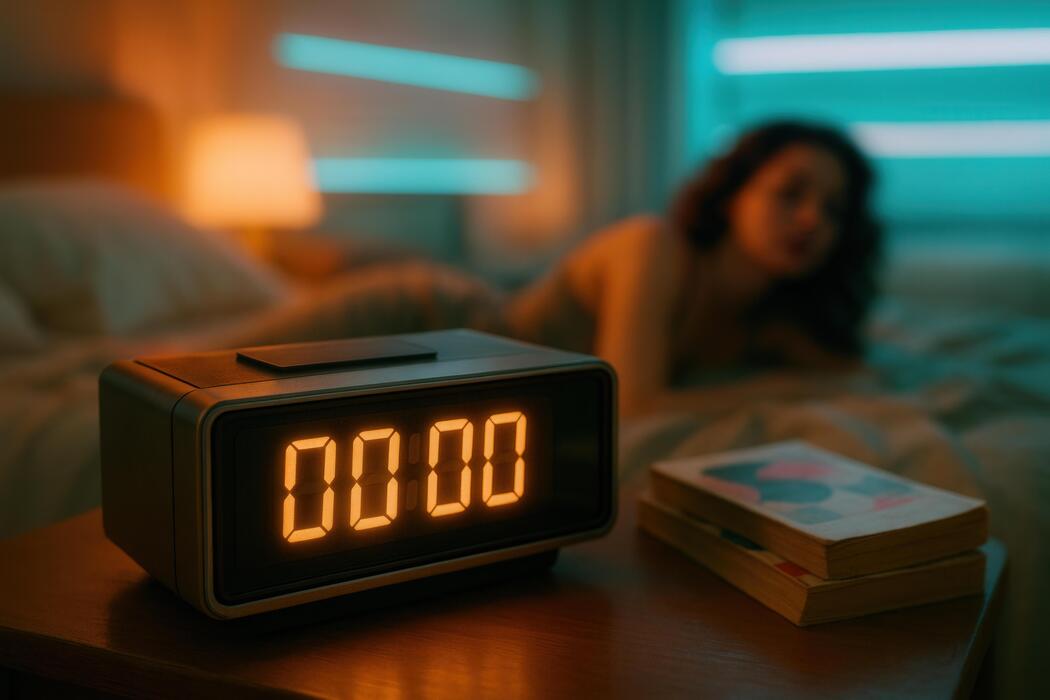
Waking between 3am and 4am is so common it has almost become a cultural reference point. But why does it happen at that specific time? It comes down to sleep architecture.
Your sleep moves through cycles of roughly 90 minutes each, cycling between light sleep, deep sleep (slow-wave sleep), and REM sleep. By the early hours of the morning, typically around 3am to 5am, your deep sleep stages have largely been completed. You are spending more time in lighter REM sleep, which makes you far more susceptible to waking.
Add to this a natural cortisol rise that begins around 3am to 4am (your body’s way of preparing you for waking), and any background stressor, blood sugar dip, or environmental noise becomes enough to pull you fully conscious.
Common triggers for 3am wake-ups include:
- Alcohol consumption, which suppresses REM sleep in the first half of the night and causes rebound waking in the second half.
- Blood sugar fluctuations, particularly in people who ate a heavy meal late or skipped dinner.
- Anxiety and rumination, which the brain tends to amplify in the early hours when defences are down.
- Sleep apnoea, where brief breathing interruptions pull you out of deep sleep repeatedly.
- Room temperature that is too warm, since core body temperature needs to drop to maintain sleep.
NICE guidance on insomnia highlights that sleep maintenance difficulties are among the most complex presentations and often require a combination of behavioural and environmental interventions2.
For more on sleep fragmentation and insomnia specifically, our article on how to fall asleep faster with insomnia covers the clinical picture in more detail.
Foods and Supplements That Promote Deeper, Longer Sleep
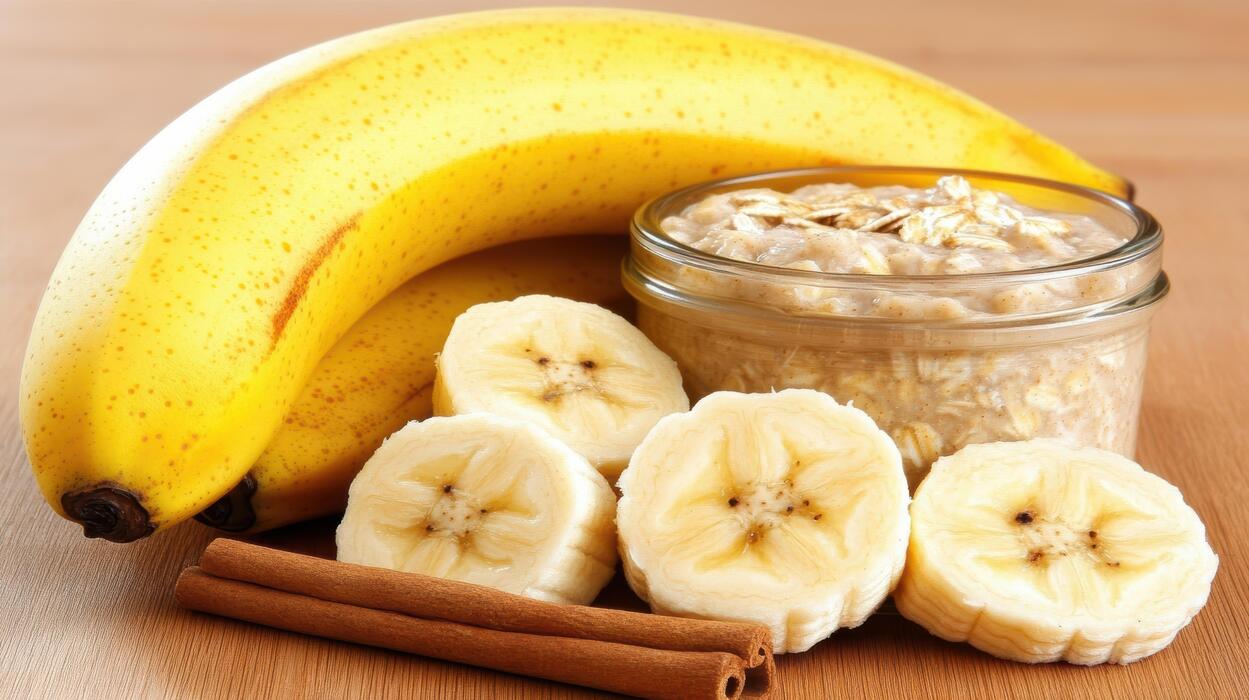
Nutrition and sleep are more tightly linked than most people realise. And this is one area where the evidence is genuinely interesting rather than just theoretical.
Key Nutrients for Sleep Quality
Magnesium is probably the most important mineral for sleep. It regulates the GABA receptors in the brain that promote relaxation, and deficiency is remarkably common in the UK population. Research published on PubMed found that magnesium supplementation improved sleep quality, sleep onset time, and sleep duration in elderly adults3. Magnesium-rich foods include dark leafy greens, almonds, pumpkin seeds, and dark chocolate (yes, really).
Vitamin D deficiency has also been linked to poor sleep quality and shorter sleep duration. Given that a significant proportion of UK adults are deficient, particularly through the winter months, this is worth checking with a blood test.
B vitamins, particularly B6 and B12, play a role in melatonin production. Without enough B6, your body struggles to convert tryptophan into serotonin and then into melatonin. Foods rich in B6 include poultry, fish, bananas, and chickpeas.
Sleep-Supportive Foods
| Food | Key Compound | How It Helps Sleep |
|---|---|---|
| Tart cherries | Melatonin | One of the few natural food sources of melatonin; studies show improved sleep duration |
| Oats | Tryptophan, melatonin | Supports serotonin production; complex carbs aid tryptophan absorption |
| Almonds | Magnesium | Supports GABA activity and reduces cortisol; easy pre-bed snack |
| Turkey | Tryptophan | Classic tryptophan source; pairs well with a small carbohydrate |
| Chamomile tea | Apigenin | Binds to GABA receptors; mild sedative effect supported by small studies |
What About Melatonin Supplements?
Melatonin is available over the counter in some countries, but in the UK it is a prescription-only medicine. This is actually a sensible regulatory position: melatonin is a hormone, and taking it incorrectly (wrong dose, wrong timing) can disrupt your circadian rhythm rather than support it. If you think melatonin might help you, speak to your GP rather than importing supplements from abroad.
For a broader look at natural approaches, our guide to home remedies to fall asleep quickly covers herbal and lifestyle options in detail.
Staying Asleep Longer: Solutions for Sleep Fragmentation and Early Waking
Falling asleep is one challenge. Staying asleep is another beast entirely. Fragmented sleep, where you wake multiple times or surface into light sleep repeatedly, can leave you feeling exhausted even after seven or eight hours in bed.
Fragmented sleep does not just reduce the quantity of rest. It systematically dismantles the quality, robbing you of the deep and REM stages where physical repair and memory consolidation actually happen.
Is fragmented sleep as bad as no sleep? In short: yes, often. Studies consistently show that interrupted sleep impairs cognitive performance, emotional regulation, and immune function to a degree comparable to total sleep deprivation. The brain needs to complete full 90-minute cycles to consolidate memories, regulate hormones, and repair tissue. Interruptions reset or shorten those cycles.
Practical Strategies for Sleep Maintenance
- Keep a consistent wake time, even at weekends. This anchors your circadian rhythm more effectively than any supplement.
- Avoid alcohol within three hours of bed. Alcohol sedates initially but causes rebound arousal in the second half of the night.
- Keep your bedroom between 16 and 18 degrees Celsius. Core body temperature needs to drop by 1 to 2 degrees for deep sleep to occur and be maintained.
- Use your bed only for sleep and sex. This is a core principle of cognitive behavioural therapy for insomnia (CBT-I), and it genuinely works by strengthening the mental association between bed and sleep.
- If you wake and cannot get back to sleep within 20 minutes, get up and do something calm in dim light. Lying in bed awake builds anxiety around sleep and makes the problem worse over time.
Sleep Position and the Acupressure Point Method: Fact vs Fiction
Sleep position matters more than most people think. Sleeping on your back can worsen snoring and sleep apnoea, which are major causes of fragmented sleep. Side sleeping, particularly on the left side, is generally considered the most supportive for breathing and for reducing acid reflux. Stomach sleeping is the least recommended, as it strains the neck and lower back.
As for acupressure: the evidence is promising but not conclusive. A 2021 review of acupressure for sleep disorders found modest positive effects on sleep quality and anxiety in several small trials, though the studies varied considerably in methodology. The honest answer is that it probably helps some people, particularly those whose sleep difficulties are driven by anxiety, and it is unlikely to cause harm when done gently.
The HT7 wrist point and the Anmian point behind the ear are the most studied. Apply gentle circular pressure for one to two minutes each, as part of a broader calming bedtime routine rather than as a standalone fix.
Creating an Optimal Sleep Environment: Temperature, Light, and Sound
Your bedroom environment sends constant signals to your brain about whether it is safe to sleep. Get these wrong and no amount of breathing exercises will fully compensate.
Temperature
As mentioned, 16 to 18 degrees Celsius is the sweet spot for most adults. Warm feet can actually help (they dilate blood vessels and help dissipate core body heat), so bed socks are not ridiculous. They are, in fact, quite sensible.
Light
Darkness triggers melatonin production. Even small amounts of light, including standby LEDs and street light through thin curtains, can suppress melatonin enough to delay sleep onset. Blackout curtains or a sleep mask are among the highest-return investments you can make for sleep quality.
Morning light exposure is equally important. Getting bright natural light within an hour of waking helps anchor your circadian rhythm and makes it easier to feel sleepy at the right time that evening. This is not wellness fluff. It is basic chronobiology.
Sound
Complete silence is not always best. Many people sleep better with white noise, pink noise, or low-level ambient sound, which masks sudden environmental noises that might otherwise trigger micro-arousals. Apps and devices that generate consistent background sound are genuinely useful for light sleepers or those in noisy environments.
How Much Sleep Is Enough? Debunking Sleep Duration Myths
The ‘eight hours’ rule is more of a population average than a personal prescription. Sleep needs vary by genetics, age, activity level, and health status. Some people genuinely function well on six and a half hours. Others need nine. The key indicator is not the number but how you feel: do you wake feeling refreshed? Can you stay alert through the afternoon without caffeine? Do you fall asleep within minutes of lying down (which actually suggests you are sleep-deprived rather than efficient)?
What we do know is that consistently sleeping fewer than six hours per night is associated with significantly increased risk of cardiovascular disease, type 2 diabetes, obesity, and impaired immune function. The NHS recommends that adults aim for seven to nine hours, with consistency of timing being as important as duration1.
And here is something that often gets missed: lying in bed for ten hours when you only need seven can actually worsen sleep quality by fragmenting it. This is why sleep restriction, a component of CBT-I, involves initially limiting time in bed to consolidate sleep before gradually extending it.
For those with ADHD, sleep difficulties often have additional neurological dimensions. Our guide on how to fall asleep faster with ADHD addresses these specific challenges.
And if you want a rapid-start protocol for tonight, our guide on how to sleep fast in 5 minutes has eight techniques you can try immediately.
This content is for informational purposes only and does not constitute medical advice. Always consult a qualified healthcare professional before starting any new supplement, herbal remedy, or treatment plan. Do not use this information to diagnose or treat any health condition without professional guidance.
Related treatments from PTUK
Regulated UK pharmacy. Prescription required where applicable.
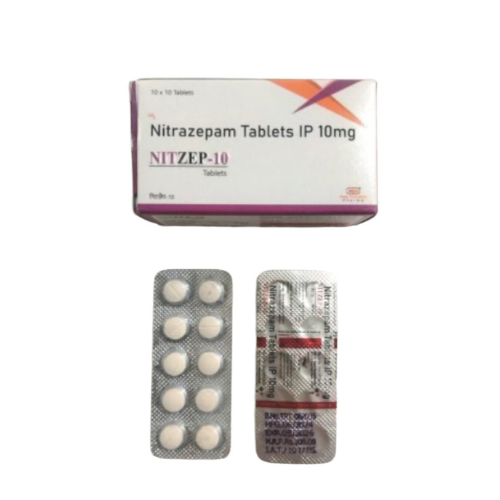
Nitrazapam Tablets 10mg
£43.50Order treatment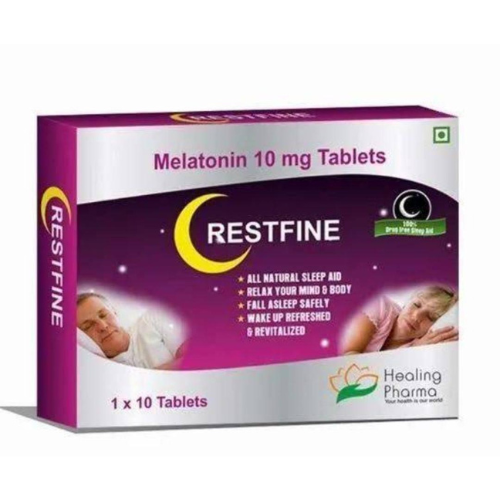
Restfine Melatonin 10mg
£55.00Order treatment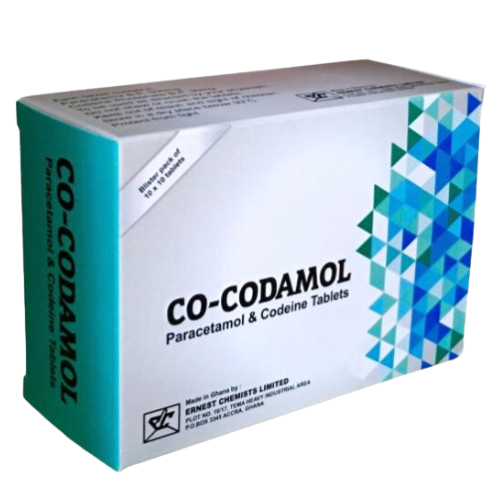
Co-codamol Paracetamol & Codeine Tablets
£40.50Order treatment
Xanax 4mg B707 boyings
£66.00Order treatment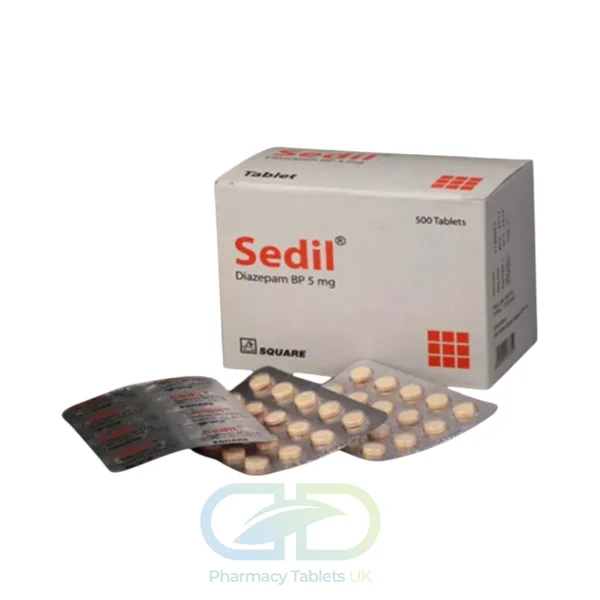
Sedi Diazapam 5mg
Sedi Diazapam 5mg for anxiety and stress relief Helps promote relaxation and calms the mind Supports a restful night's sleep
£36.00Order treatment
Flunitrazolam EG 1mg
Flunitrazepam is a benzodiazepine used to treat severe insomnia and assist with anesthesia. As with other hypnotics, flunitrazepam has been
£30.00Order treatmentTreatments listed here are offered subject to online consultation. GPhC-registered pharmacy.
References
- Sleep and tiredness – NHSnhs.uk
- Insomnia – NICE Clinical Knowledge Summarycks.nice.org.uk
- Magnesium and sleep quality – PubMedpubmed.ncbi.nlm.nih.gov
Frequently asked questions
What is the best method for how to fall asleep faster and stay asleep longer?
There is no single best method because sleep is deeply personal, but combining good sleep hygiene with a relaxation technique like the 4-7-8 breathing method or progressive muscle relaxation tends to work well for most people. Consistency matters more than any individual trick. If problems persist beyond four weeks, speak to your GP, as chronic insomnia may need further assessment.
How to fall asleep faster and stay asleep longer if I keep waking at 3am?
Waking at 3am is often linked to a natural dip in sleep pressure during the third sleep cycle, combined with factors like cortisol spikes, blood sugar fluctuations, or anxiety. Avoiding alcohol and heavy meals before bed, keeping the room cool, and practising a calming pre-sleep routine can reduce these wake-ups significantly. If it happens every single night without fail, it is worth mentioning to a GP to rule out sleep apnoea or other conditions.
What is the Japanese trick to fall asleep faster?
The Japanese method most commonly referenced online involves a breathing and body-scan technique rooted in traditional practices, sometimes combined with acupressure on specific pressure points. The idea is to quieten the nervous system through slow, rhythmic breathing and gentle self-massage rather than forcing sleep. Some people also refer to the Japanese concept of forest bathing before bed as a way to reduce stress hormones.
How can I fall asleep in 2 minutes using the Navy Seal method?
The Navy Seal method involves relaxing all your face muscles, dropping your shoulders, releasing tension from your arms, exhaling slowly, and then clearing your mind for 10 seconds by picturing a calm scene. It was reportedly used to help soldiers sleep in difficult conditions and is said to work for about 96% of people after six weeks of practice. The key is daily practice rather than expecting instant results on the first attempt.
What foods and vitamins help you stay asleep longer?
Magnesium, vitamin D, and B vitamins are most commonly linked to improved sleep quality, with deficiencies in these nutrients associated with poorer sleep in several studies. Foods like oats, bananas, tart cherries, almonds, and turkey contain sleep-supportive compounds including tryptophan and melatonin precursors. Always consult a healthcare professional before starting supplements, especially if you take other medications.
Is fragmented sleep as bad as getting no sleep at all?
Fragmented sleep, where you wake multiple times during the night, can be just as damaging as insufficient total sleep because it prevents you from completing full sleep cycles, particularly the restorative deep sleep and REM stages. Research suggests that even one night of fragmented sleep can impair mood, memory, and reaction time comparably to a full night of sleep deprivation. Consistently fragmented sleep over time carries serious long-term health risks.
Which finger do you press to fall asleep faster?
Acupressure practitioners often point to the HT7 point (Heart 7), located on the inside of the wrist at the base of the palm in line with the little finger, as a pressure point that may promote relaxation and sleep. Some also suggest the Anmian point just behind the ear. The evidence is preliminary, but gentle pressure on these points as part of a calming bedtime routine may help reduce anxiety and support sleep onset for some people.