Treatment And Medicine
What is the best antibiotic to take for shingles? The Evidence-Based Answer

Aug
If you’ve been searching for what is the best antibiotic to take for shingles, here’s the most important thing to know upfront: shingles is not treated with antibiotics at all. It’s caused by a virus, and viruses don’t respond to antibiotics. The right treatment is an antiviral medicine, and the evidence is clear about which ones work, how well they work, and why getting started quickly is absolutely critical.
What Is Shingles and Why Antivirals Are Used (Not Antibiotics)
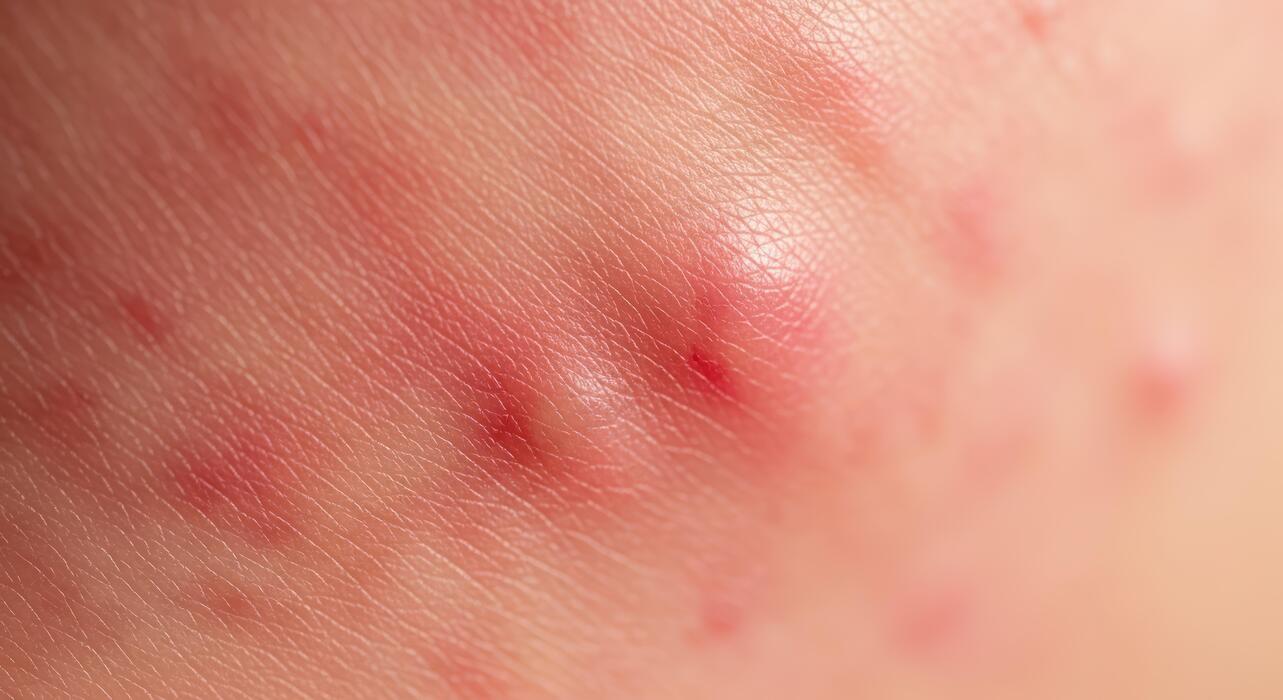
Shingles is caused by the varicella zoster virus, the same virus responsible for chickenpox. After a chickenpox infection, the virus doesn’t leave the body. It goes dormant in nerve tissue and can reactivate years or even decades later as shingles, typically as a painful, blistering rash on one side of the body or face.
Because shingles is viral, antibiotics are simply the wrong tool. Antibiotics work by targeting bacterial cell structures. Viruses don’t have those structures. Using an antibiotic for a viral infection is a bit like using a spanner to fix a software glitch. It won’t do anything useful, and overusing antibiotics contributes to antibiotic resistance, which is a genuine public health crisis.
According to the NHS shingles treatment guidance, the standard treatment is antiviral medication, specifically acyclovir, valacyclovir, or famciclovir1. These medicines work by blocking the varicella zoster virus from replicating, which reduces the severity of the outbreak and lowers the risk of complications.
For more on recognising the early signs, our guide to the symptoms of shingles and when to act covers what to look out for before you even get to the treatment stage.
The Three Main Antiviral Medications for Shingles Explained
Three antivirals are routinely used in the UK to treat shingles. They all belong to the same drug class and work in a similar way, but they differ in dosing frequency, cost, and how the body processes them.
Acyclovir
Acyclovir (sometimes spelled aciclovir in the UK) is the oldest of the three and has the longest track record. It’s available as a generic medicine, which makes it relatively affordable. The standard adult dose for shingles is 800mg taken five times a day for seven days. That’s a lot of tablets. Five doses a day is genuinely hard to keep up with, especially when you’re feeling proper poorly. Missing doses reduces effectiveness.
According to the British National Formulary, aciclovir is well established and widely used, though its bioavailability (how much of the drug actually reaches the bloodstream) is lower than the newer alternatives3.
Valacyclovir
Valacyclovir (valaciclovir in UK spelling) is a prodrug of acyclovir. Once swallowed, the body converts it into acyclovir, but at much higher concentrations than taking acyclovir directly. This means you only need to take it three times a day at 1000mg per dose, which is far easier to manage. Better adherence generally means better outcomes.
Famciclovir
Famciclovir is similarly convenient, dosed at 250mg three times daily for seven days. It’s converted in the body to penciclovir, which has a longer half-life inside infected cells. This gives it a slightly different pharmacological profile, though clinical outcomes are broadly comparable to valacyclovir.
Acyclovir vs Valacyclovir vs Famciclovir: Comparing Effectiveness
So which one is actually best? Here’s a direct comparison of the three antivirals based on the available evidence.
| Medication | Typical dose (shingles) | Daily doses | Bioavailability | Best for |
|---|---|---|---|---|
| Acyclovir | 800mg | 5 times daily | ~15-30% | Cost-conscious patients, established safety record |
| Valacyclovir | 1000mg | 3 times daily | ~55% | Most patients: better adherence, higher drug levels |
| Famciclovir | 250mg | 3 times daily | ~77% (as penciclovir) | Patients who may benefit from longer intracellular activity |
In practice, clinical guidelines and most GPs in the UK lean towards valacyclovir or famciclovir over acyclovir, primarily because of the simpler dosing. A treatment you’ll actually take correctly is more effective than a theoretically superior one you keep missing doses of.
NICE clinical knowledge summaries confirm that all three are effective when started promptly, and choice often comes down to patient factors and local formulary preferences2.
The best antiviral for shingles is the one you start within 72 hours and actually complete. Timing and adherence matter more than the specific drug chosen.
The 72-Hour Window: Why Timing Matters for Shingles Treatment
Here’s the thing: the drug you choose matters less than when you start it. All three antivirals are most effective when begun within 72 hours of the rash first appearing. After that window closes, the benefit drops significantly.
Why? Because antivirals work by blocking viral replication. In the early stages of an outbreak, the virus is actively multiplying. Catching it during this phase reduces the total viral load, which in turn reduces how severe the rash becomes and, crucially, how much nerve damage occurs. Nerve damage is what causes the most feared complication of shingles: postherpetic neuralgia (PHN), a chronic pain condition that can persist for months or even years after the rash has cleared.
I spoke to a pharmacist recently who described a patient who’d waited five days before seeking help, convinced it was just a rash that would sort itself out. By the time they got treatment, the rash was extensive and the nerve pain went on to bother them for the better part of six months. Anyway, the point is: don’t wait. If you suspect shingles, treat it as urgent.
After 72 hours, antivirals may still be considered in certain groups: people who are immunocompromised, those with eye involvement (ophthalmic shingles), or anyone with severe or complicated disease. But for most healthy adults, the window matters enormously.
Beyond Antivirals: Pain Relief and Complication Prevention
Antivirals are the cornerstone of treatment, but they’re not the whole story. Shingles can be genuinely painful, and managing that pain is a separate but equally important part of care.
Pain management options
- Paracetamol and ibuprofen are usually the first line for mild to moderate pain.
- Codeine or tramadol may be prescribed for more severe pain.
- Amitriptyline or gabapentin are sometimes used early to reduce the risk of PHN, particularly in older adults.
- Topical lidocaine patches or capsaicin cream can help with localised nerve pain once the rash has healed.
Preventing postherpetic neuralgia
PHN is the most significant long-term complication of shingles. It affects roughly 10-15% of people who get shingles, but the risk rises sharply with age. People over 60 are significantly more vulnerable. Starting antivirals promptly is the single most effective way to reduce PHN risk. Some guidelines also suggest that early use of corticosteroids (like prednisolone) alongside antivirals may reduce acute pain, though evidence on PHN prevention is less conclusive.
Vaccination is the best preventive measure. The NHS offers the Shingrix vaccine to adults aged 70 to 79 and to immunocompromised individuals from age 50. It’s far more effective than the older Zostavax vaccine and reduces shingles risk by over 90% in clinical trials.
When Antibiotics Are Actually Needed for Shingles
So when does the question of what is the best antibiotic to take for shingles actually become relevant? Only in one specific scenario: secondary bacterial infection.
Sometimes, particularly if blisters are scratched or break open in unhygienic conditions, bacteria can infect the skin. This is called a superinfection. Signs include increasing redness, warmth, swelling, pus, or a fever that develops after the initial viral symptoms. In these cases, a GP may prescribe a topical or oral antibiotic to treat the bacterial infection separately from the underlying viral cause.
Common antibiotics used for skin infections include flucloxacillin (for Staphylococcus aureus) or cefalexin. But again, these treat the secondary bacterial complication, not the shingles itself. The distinction matters.
Can You Get Shingles Treatment From a Pharmacist?
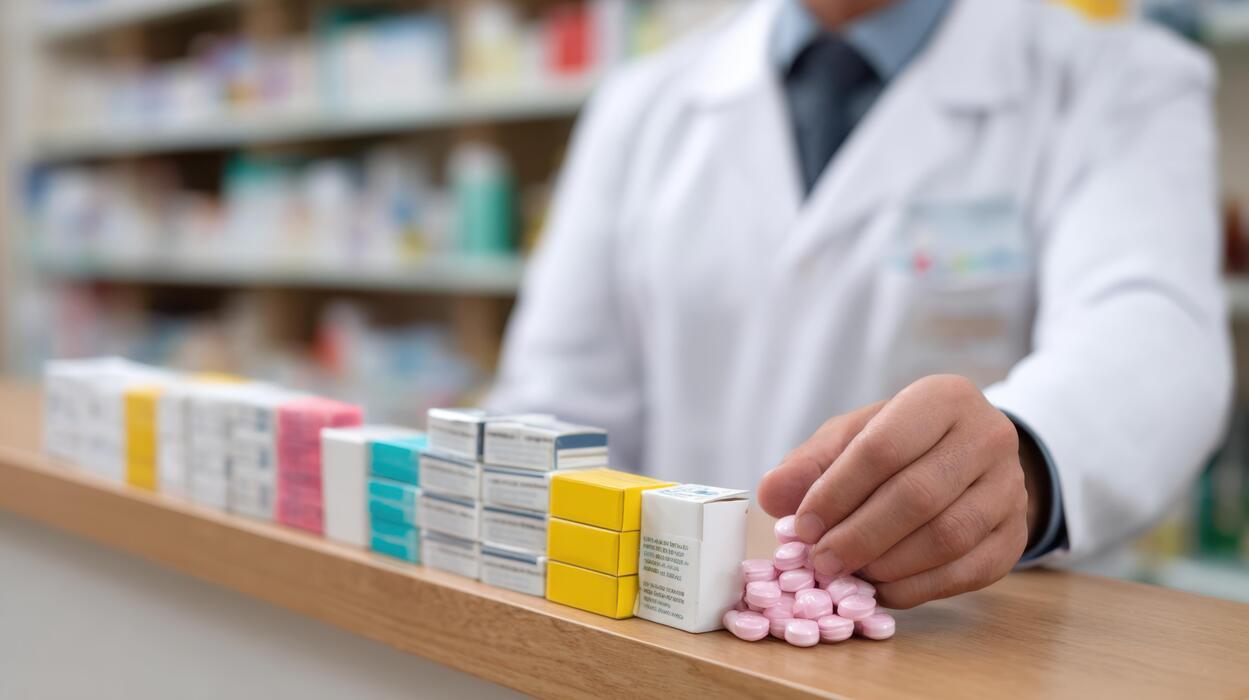
Yes, in many cases. This is something a lot of people don’t realise, and it’s genuinely useful given how time-sensitive shingles treatment is.
In the UK, independent prescriber pharmacists can assess, diagnose, and prescribe antiviral treatment for shingles without a GP appointment. This can dramatically cut the time between noticing symptoms and starting treatment, which is exactly what you want when every hour counts. Some GP practices are also overwhelmed with appointments, and waiting two or three days for a slot could mean missing the 72-hour window entirely.
Not every pharmacy offers this service, so it’s worth calling ahead or checking online. For guidance on how pharmacists can help with prescriptions in the UK, including what services are available through regulated providers, our pharmacy guide covers this in more detail.
The NHS Pharmacy First scheme, rolled out in 2024, also allows pharmacists to treat a range of conditions including shingles directly. This is a cracking development for patients who need fast access to care.
Self-Care and Recovery: What Helps Shingles Clear Faster
Medication is essential, but self-care makes a real difference too. Here’s what the evidence supports alongside antiviral treatment:
- Keep the rash clean and dry to reduce infection risk. A cool, damp cloth can ease discomfort.
- Loose, breathable clothing reduces friction on sensitive skin.
- Avoid scratching. Scratching increases the risk of bacterial superinfection and scarring.
- Rest. Your immune system is working hard. Don’t push through if you feel exhausted.
- Calamine lotion can soothe itching, though evidence for this is largely anecdotal.
- Stay away from pregnant women, newborns, and immunocompromised people until all blisters have crusted over. You can’t spread shingles as shingles, but you can spread chickenpox to those who haven’t had it.
Stress is a well-known trigger for shingles reactivation. There’s reasonable biological plausibility here: stress suppresses immune function, which allows the dormant virus to reactivate. But I digress. The point is that rest and stress reduction aren’t just nice-to-haves during recovery. They’re part of the treatment.
Most people recover within two to four weeks. Older adults and those with compromised immune systems may take longer, and PHN can extend recovery significantly. Be patient with yourself.
This content is for informational purposes only and does not constitute medical advice. Always consult a qualified healthcare professional before starting any new supplement, herbal remedy, or treatment plan. Do not use this information to diagnose or treat any health condition without professional guidance.
References
- Shingles – Treatment – NHSnhs.uk
- Shingles: Diagnosis and Treatment – NICE CKScks.nice.org.uk
- Aciclovir – BNFbnf.nice.org.uk
Frequently asked questions
What is the best antibiotic to take for shingles?
Technically, antibiotics are not the right treatment for shingles. Shingles is caused by a virus, so antivirals are used instead. The most commonly prescribed antivirals in the UK are acyclovir, valacyclovir, and famciclovir. Of these, valacyclovir and famciclovir are often preferred because they require fewer daily doses, which makes it easier to complete the course.
What does a GP prescribe for shingles?
A GP will typically prescribe one of three antiviral medicines: acyclovir (800mg five times daily for seven days), valacyclovir (1000mg three times daily for seven days), or famciclovir (250mg three times daily for seven days). They may also prescribe pain relief, and in some cases, corticosteroids or nerve pain medication if complications arise.
What is the difference between antibiotics and antivirals for shingles?
Antibiotics target bacteria, so they have no effect on the varicella zoster virus that causes shingles. Antivirals work by blocking the virus from replicating, which reduces the severity and duration of the outbreak. Using an antibiotic for shingles would not help and could contribute to antibiotic resistance.
Can a pharmacist prescribe shingles treatment?
In the UK, some pharmacists are qualified as independent prescribers and can assess and prescribe antiviral treatment for shingles without a GP referral. This can be a much faster route to treatment, which matters enormously given the 72-hour window for antivirals to be most effective. The NHS Pharmacy First scheme also allows pharmacists to treat shingles directly in many areas.
When is it too late to treat shingles with antivirals?
Antivirals are most effective when started within 72 hours of the rash appearing. Starting treatment after this window reduces their benefit, although they may still be prescribed in certain cases, such as for people who are immunocompromised, have eye involvement, or are experiencing severe symptoms. Always seek medical advice as soon as you notice symptoms.
Do you need antibiotics if you have shingles?
Usually not. Antibiotics are only needed if a secondary bacterial infection develops in the shingles rash, for example if the blisters become infected with bacteria. This is a complication rather than a routine part of treatment. The primary treatment for shingles itself remains antiviral medication.
How long does it take for shingles to improve after starting antiviral treatment?
Most people notice an improvement within a few days of starting antivirals. The rash typically begins to crust over within seven to ten days, and most cases resolve within two to four weeks. However, some people, particularly older adults, may experience lingering nerve pain called postherpetic neuralgia that can last for months.