
Treatment And Medicine
Home Remedies to Fall Asleep Quickly: Techniques, Drinks and Methods That Actually Work
Jul
Home remedies to fall asleep quickly are one of those topics where the internet is absolutely drowning in promises and woefully short on honest answers. You will find articles telling you that you can be asleep in 40 seconds flat, that pressing a single point on your wrist is basically a sedative, or that a cup of chamomile tea is all that stands between you and eight glorious hours. Some of that is true. Some of it is wildly overstated. And a lot of it ignores the fact that sleep is a biological process, not a switch you can just flick. So let us look at what actually works, why it works, and how to set realistic expectations without throwing out the genuinely useful stuff.
Why Quick Sleep Remedies Are Not One-Size-Fits-All
Here is the thing: sleep onset is deeply individual. Two people can try the exact same technique and have completely different results. One person might drop off in three minutes using a breathing method. Another might lie there wide awake, frustrated, wondering what they are doing wrong. That is not a failure of the technique. It is a reflection of sleep physiology.
Your ability to fall asleep quickly depends on your sleep pressure (how long you have been awake), your core body temperature, your stress hormone levels, and your baseline anxiety. A technique that works brilliantly when you are moderately tired but a bit wired might do nothing when you are genuinely anxious or have had too much caffeine. Knowing this upfront saves a lot of frustration.
The NHS notes that most adults need between seven and nine hours of sleep per night, and that difficulty falling asleep is one of the most common presentations of insomnia in the UK1. So if you are struggling, you are in very good company. And the good news is that several evidence-informed home remedies genuinely do help, as long as you use them consistently and with realistic expectations.
The 4-7-8 Breathing Technique and the Science Behind the Military Sleep Method

These two methods come up constantly in sleep discussions, and for good reason. They both work on the same underlying principle: deliberately activating the parasympathetic nervous system to counteract the fight-or-flight response that keeps so many of us lying awake at night.
The 4-7-8 Breathing Method
Developed by Dr Andrew Weil and based on pranayama breathing from yoga tradition, the 4-7-8 technique works like this:
- Exhale completely through your mouth, making a whooshing sound.
- Close your mouth and inhale quietly through your nose for a count of four.
- Hold your breath for a count of seven.
- Exhale completely through your mouth for a count of eight.
- Repeat the cycle three to four times.
The extended exhale is the key part. When you breathe out slowly, your heart rate drops and your body interprets this as a signal of safety. The breath hold increases carbon dioxide in the blood, which has a mild sedative effect. It is not magic. It is physiology. And it works better the more you practise it, because your nervous system learns to associate the pattern with relaxation.
I remember my sister telling me she thought breathing exercises were nonsense until her GP suggested she try them for anxiety-related sleep problems. She was sceptical for about a week, then grudgingly admitted they helped. Anyway, the point is that dismissing these methods out of hand is a mistake.
The Military Sleep Method
The military sleep method is said to have been developed to help American soldiers fall asleep in under two minutes, even in noisy or uncomfortable conditions. The technique involves:
- Relaxing every muscle in your face, including your tongue, jaw and the muscles around your eyes.
- Dropping your shoulders as low as they will go, then relaxing your upper and lower arms one side at a time.
- Exhaling and relaxing your chest, then your legs from thighs down to your feet.
- Clearing your mind for ten seconds by imagining a calm, static scene, such as lying in a canoe on a still lake.
- If that does not work, repeating the phrase “don’t think, don’t think” internally for ten seconds.
The reported success rate after six weeks of practice is around 96%, though this figure comes from anecdotal military training records rather than peer-reviewed research. Still, the underlying mechanism, which is progressive muscle relaxation combined with cognitive defusion, is well-supported by sleep science. NICE guidance on insomnia management specifically mentions relaxation techniques as a first-line approach before any pharmacological intervention2.
Quick Sleep Remedies Under 5 Minutes: Evidence-Based Techniques
Home remedies to fall asleep quickly do not have to be elaborate. Some of the most effective ones take almost no time at all. The trick is picking the right tool for what is keeping you awake.
Progressive Muscle Relaxation (PMR)
PMR involves systematically tensing and then releasing muscle groups across your body, starting from your toes and working upward. You hold each tension for about five seconds, then release for 30 seconds, noticing the contrast. It sounds almost too simple. But the physical release of tension signals your nervous system that the threat is over, which drops cortisol and makes sleep much easier to reach.
The Cognitive Shuffle
Developed by Canadian cognitive scientist Dr Luc Beaulieu-Prevost, the cognitive shuffle involves imagining a random sequence of unconnected images: a banana, a lighthouse, a red shoe, a cloud. The randomness mimics the hypnagogic imagery your brain naturally produces as it transitions into sleep, essentially tricking your mind into thinking it has already started the process. Genuinely fascinating, if you are into that sort of thing.
Body Scan Meditation
Similar to PMR but without the tension component, a body scan involves slowly directing your attention to each part of your body in turn, noticing sensations without trying to change them. It keeps your mind occupied with something neutral and non-stimulating, which prevents the rumination loop that so often delays sleep onset.
Acupressure Points for Sleep: Which Fingers and Pressure Points Actually Work
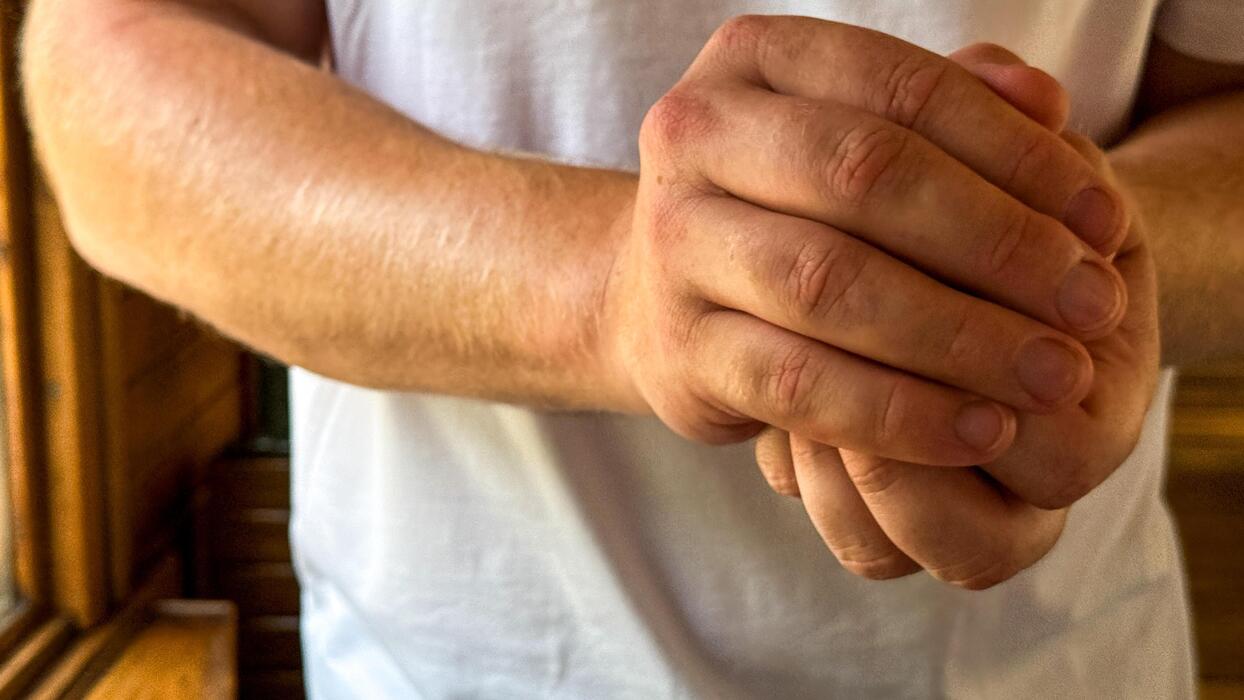
Acupressure is one of those areas where the evidence is genuinely mixed, but not entirely absent. And because it requires nothing more than your own hands, it is worth understanding properly.
The most commonly cited points for sleep induction are:
- HT7 (Heart 7, or Shenmen): Located on the inner wrist crease, on the little finger side. Apply gentle circular pressure for 30 to 60 seconds. This point is associated in traditional Chinese medicine with calming the mind.
- An Mian: Found behind the ear, in the hollow between the ear and the base of the skull. Bilateral pressure here is said to reduce anxiety and promote sleep onset.
- Yintang: The point between the eyebrows, sometimes called the third eye point. Gentle pressure here can reduce mental chatter and is often used in acupressure routines for stress relief.
- K1 (Kidney 1, or Yongquan): On the sole of the foot, roughly a third of the way from the toes. Massaging this point is said to have a grounding, calming effect.
A small number of clinical studies have found that acupressure can modestly reduce sleep onset latency, particularly in older adults and those with anxiety-related insomnia. The mechanism is thought to involve stimulation of the vagus nerve and release of endorphins rather than anything mystical. So while it is not a replacement for proper sleep hygiene, it is a reasonable addition to your toolkit.
Acupressure works not because of ancient mysticism, but because sustained gentle pressure on specific points appears to activate the body’s own calming pathways.
Natural Sleep Drinks: Traditional and Science-Backed Beverages

Warm drinks before bed are one of the oldest sleep remedies in the book. And some of them actually have decent evidence behind them, which is genuinely pleasing when so many folk remedies fall apart under scrutiny.
| Drink | Key Active Compound | Evidence Level | Best For |
|---|---|---|---|
| Chamomile tea | Apigenin (GABA receptor agonist) | Moderate (small RCTs) | General relaxation and mild sleep onset support |
| Warm milk | Tryptophan, casein peptides | Low to moderate | Psychological comfort plus mild melatonin precursor |
| Tart cherry juice | Melatonin, anthocyanins | Moderate (published studies) | Increasing melatonin levels naturally |
| Valerian root tea | Valerenic acid | Mixed (inconsistent results) | Anxiety-related sleep difficulty |
| Passionflower tea | Chrysin, flavonoids | Preliminary | Mild anxiety and restlessness before bed |
Chamomile tea contains apigenin, a flavonoid that binds to benzodiazepine receptors in the brain and produces a mild sedative effect3. It is not powerful, but it is real. Tart cherry juice has been shown in published research to increase melatonin levels and improve sleep duration in adults4. The effect is modest, but consistent use as part of a bedtime routine does appear to help.
Warm milk is interesting because the tryptophan content is actually quite low. The benefit is probably more about the ritual and warmth than any pharmacological action. But rituals matter enormously for sleep. Your brain loves predictability, and a consistent pre-sleep routine genuinely does lower arousal levels over time.
The 3-3-3 Rule for Insomnia: Does This Method Work?
The 3-3-3 rule is a grounding technique borrowed from anxiety management. It asks you to name three things you can see, identify three sounds you can hear, and move three parts of your body. Simple. And actually quite clever in its mechanism.
When you cannot sleep, the most common culprit is a mind stuck in a loop. Worrying about tomorrow, replaying a conversation, catastrophising about not getting enough sleep (which is its own special kind of torture). The 3-3-3 rule interrupts that loop by directing your attention outward and into the present moment. It is a form of mindfulness without the meditation cushion.
Does it work? For anxiety-driven insomnia, it can be genuinely useful. It is not a sedative. It will not knock you out. But it can break the cycle of hyperarousal that keeps you staring at the ceiling. Think of it as a reset button rather than a sleep switch.
How to Fall Asleep in Extreme Conditions: Strange Places and Unfamiliar Environments
Sleeping in a new place is notoriously difficult. There is actually a name for it: the first-night effect. Research suggests that one hemisphere of the brain remains more alert than the other when you sleep in an unfamiliar environment, essentially keeping watch for threats. Evolutionary, yes. Convenient when you are trying to sleep in a hotel before a big presentation? Absolutely not.
Home remedies to fall asleep quickly in unfamiliar settings require a slightly different approach:
- Bring something familiar: Your own pillow, a familiar scent like lavender on a tissue, or even a familiar podcast playing quietly can help your brain categorise the environment as safe.
- Control what you can: Adjust room temperature (cooler is better, around 16 to 18 degrees Celsius is optimal for most adults), block out light with an eye mask, and use earplugs or white noise to mask unfamiliar sounds.
- Use a breathing anchor: The 4-7-8 method is particularly useful here because it gives your attention something consistent to focus on regardless of where you are physically.
- Avoid clock-watching: Turn your phone face down and resist checking the time. Every time you calculate how many hours you have left, you increase arousal and make sleep harder.
For more targeted techniques when you are really struggling to drop off, the guide on how to fall asleep in 10 seconds covers some of the more intensive rapid-onset methods in detail.
Quick Sleep Techniques Compared: Which Method Works Fastest?
People want to know which method wins. Fair enough. Here is an honest comparison based on what the evidence and sleep physiology actually suggest, rather than what makes for a good headline.
| Method | Typical Onset Time | Evidence Quality | Works Best When |
|---|---|---|---|
| 4-7-8 Breathing | 5 to 15 minutes | Moderate | Stress or anxiety is the primary barrier |
| Military Sleep Method | 2 minutes (after practice) | Anecdotal but mechanistically sound | Physical tension and mental noise combined |
| Progressive Muscle Relaxation | 10 to 20 minutes | Good (multiple RCTs) | Physical tension or chronic insomnia |
| Cognitive Shuffle | 5 to 10 minutes | Emerging | Overthinking and mental hyperactivity |
| Acupressure (HT7) | 10 to 30 minutes | Limited but positive | Mild anxiety and restlessness |
| 3-3-3 Grounding Rule | Variable | Indirect (anxiety research) | Racing thoughts and rumination |
The honest answer is that no single method works fastest for everyone. The military sleep method has the most impressive claimed onset time, but it requires weeks of practice to achieve that two-minute result. For beginners, PMR and 4-7-8 breathing are probably the most reliably effective starting points. If you want a deeper look at combining these into a five-minute routine, the article on how to sleep fast in 5 minutes is worth reading.
Herbal Remedies vs. Quick Fixes: Building Long-Term Sleep Hygiene
Here is where most sleep content goes a bit wrong. It focuses entirely on the quick fix and ignores the fact that sustainable sleep improvement requires consistent habits, not just clever techniques deployed at 2am in a panic.
Home remedies to fall asleep quickly work best when they sit within a broader framework of good sleep hygiene. That means:
- Going to bed and waking at consistent times, even at weekends.
- Keeping your bedroom cool, dark and used primarily for sleep.
- Avoiding screens for at least 30 minutes before bed (blue light suppresses melatonin production).
- Limiting caffeine after 2pm and alcohol in the evenings.
- Getting natural light exposure in the morning to anchor your circadian rhythm.
Herbal remedies like valerian, passionflower and lemon balm have a long traditional history of use for sleep and anxiety. The clinical evidence for most of them is inconsistent, which is frustrating but honest. Valerian in particular has produced mixed results across trials, with some studies showing benefit and others showing none. This probably reflects the enormous variation in product quality and dosage rather than a fundamental lack of effect.
But I digress. The bigger point is that no herbal remedy, however well-chosen, will compensate for a lifestyle that is fundamentally incompatible with good sleep. The techniques and remedies in this article are tools. They work best in a hand that is already holding good habits.
If your sleep problems are persistent, severe, or accompanied by other symptoms, please do seek professional guidance. NICE recommends cognitive behavioural therapy for insomnia (CBT-I) as the most effective long-term treatment for chronic insomnia, ahead of any pharmacological approach2. For those dealing with anxiety-related sleep difficulties, the article on falling asleep faster with insomnia covers the clinical picture in more detail.
This content is for informational purposes only and does not constitute medical advice. Always consult a qualified healthcare professional before starting any new supplement, herbal remedy, or treatment plan. Do not use this information to diagnose or treat any health condition without professional guidance.
Related treatments from PTUK
Regulated UK pharmacy. Prescription required where applicable.
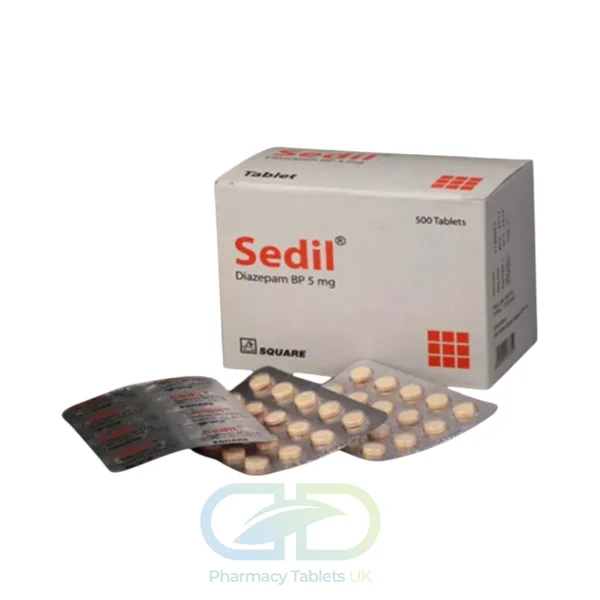
Sedi Diazapam 5mg
Sedi Diazapam 5mg for anxiety and stress relief Helps promote relaxation and calms the mind Supports a restful night's sleep
£36.00Order treatment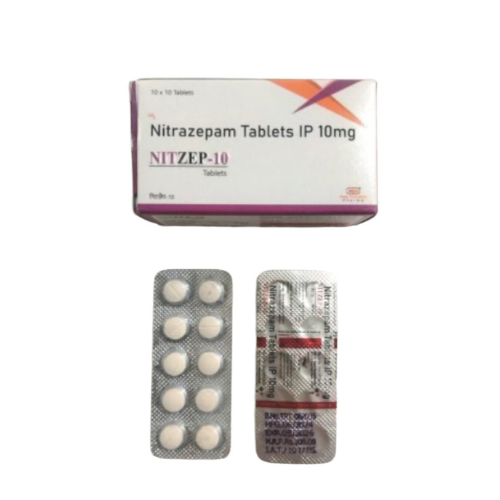
Nitrazapam Tablets 10mg
£43.50Order treatment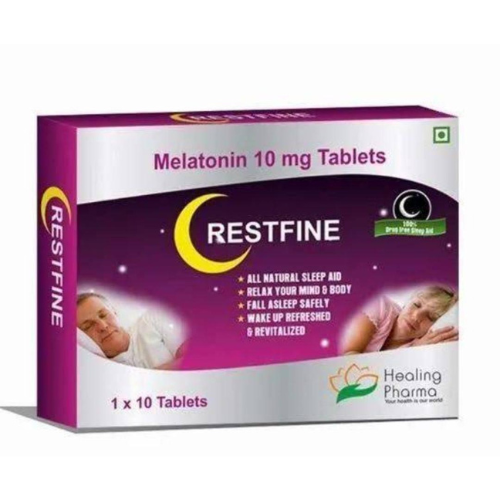
Restfine Melatonin 10mg
£55.00Order treatment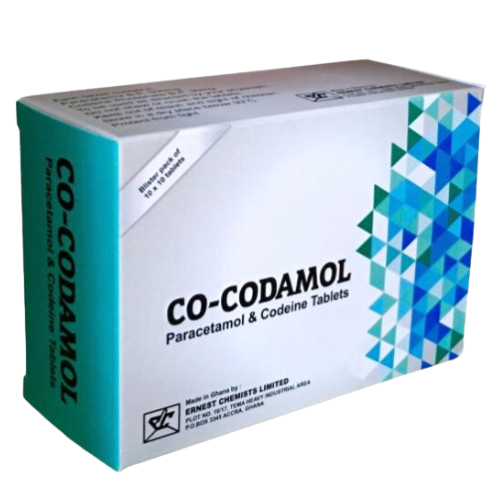
Co-codamol Paracetamol & Codeine Tablets
£40.50Order treatment
Xanax 4mg B707 boyings
£66.00Order treatment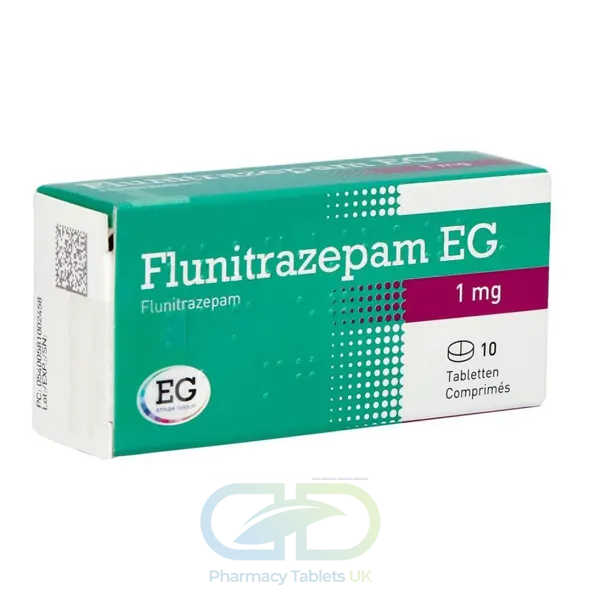
Flunitrazolam EG 1mg
Flunitrazepam is a benzodiazepine used to treat severe insomnia and assist with anesthesia. As with other hypnotics, flunitrazepam has been
£30.00Order treatmentTreatments listed here are offered subject to online consultation. GPhC-registered pharmacy.
References
- NHS: Insomnia – Treatmentnhs.uk
- NICE Clinical Knowledge Summary: Insomniacks.nice.org.uk
- PubMed: Chamomile extract and sleep qualitypubmed.ncbi.nlm.nih.gov
- PubMed: Tart cherry juice and melatoninpubmed.ncbi.nlm.nih.gov
Frequently asked questions
What are the best home remedies to fall asleep quickly tonight?
The most evidence-backed home remedies to fall asleep quickly include the 4-7-8 breathing technique, progressive muscle relaxation, and reducing light exposure at least 30 minutes before bed. Warm drinks like chamomile tea or warm milk may also help by promoting relaxation. Combining two or three methods tends to work better than relying on just one.
Can home remedies to fall asleep quickly really work in under 5 minutes?
For some people, yes. Techniques like the military sleep method or 4-7-8 breathing can produce noticeable drowsiness within a few minutes, though individual results vary considerably. Sleep physiology means there is no universal shortcut, but consistent practice of these methods genuinely does shorten the time it takes most people to drift off.
How does the military sleep method help you fall asleep fast?
The military sleep method involves progressively relaxing each part of the body from the face downward, clearing the mind of active thoughts, and focusing on a calm mental image. It was reportedly developed to help soldiers sleep in stressful conditions and is said to work within about two minutes after several weeks of practice. The underlying principle is deliberate physical and mental deactivation.
Which acupressure points are most useful for sleep?
The most commonly cited acupressure points for sleep include the HT7 point on the inner wrist crease, the An Mian point behind the ear, and the Yintang point between the eyebrows. Gentle, sustained pressure for 30 to 60 seconds on each point is the typical approach. While clinical evidence is limited, some small studies suggest acupressure can reduce the time taken to fall asleep.
What natural drinks actually help you fall asleep quickly?
Chamomile tea contains apigenin, a compound that binds to GABA receptors in the brain and promotes relaxation. Warm milk provides tryptophan, a precursor to serotonin and melatonin. Tart cherry juice has been shown in small studies to modestly increase melatonin levels. None of these are powerful sedatives, but they can support a wind-down routine when used consistently.
Is the 3-3-3 rule for insomnia an effective home remedy?
The 3-3-3 rule is a grounding technique often used for anxiety rather than a direct sleep induction method. It involves naming three things you can see, three you can hear, and moving three parts of your body. It works by shifting attention away from racing thoughts, which can be one of the biggest barriers to falling asleep quickly. It is most useful for people whose insomnia is driven by an overactive mind.