
Treatment And Medicine
What is the closest drug to zopiclone? Alternatives, Comparisons and Your Options

Aug
What is the closest drug to zopiclone? It’s one of those questions that comes up more than you’d think, usually from someone who’s been told they can’t stay on zopiclone long-term, or who’s struggling to get a prescription renewed. And honestly, it’s a fair question with a more nuanced answer than most people expect.
A colleague once mentioned that her mum had been on zopiclone for years, prescribed by a well-meaning GP who never really revisited the decision. When the prescription was finally reviewed, the GP suggested stopping it. Her mum’s response? Absolute panic. Not because she was addicted (though dependence was a real concern), but because she genuinely didn't know what else existed. Nobody had ever explained the alternatives. That’s the gap this article is trying to fill.
What Is Zopiclone and How Does It Work?

Zopiclone is a sedative-hypnotic medication used for short-term treatment of insomnia. It belongs to a class of drugs known as Z-drugs (or non-benzodiazepine hypnotics), which work by enhancing the activity of gamma-aminobutyric acid (GABA), a naturally occurring brain chemical that slows down the central nervous system.
In simple terms: GABA tells your brain to calm down. Zopiclone makes that signal louder. The result is that you feel drowsy, your anxiety reduces, and falling asleep becomes easier. It’s particularly helpful for people who struggle to get off to sleep or who wake repeatedly through the night.
According to NHS guidance, zopiclone is only recommended for short-term use, typically no more than two to four weeks1. This is because the body adapts to it quickly, meaning it becomes less effective over time and stopping it can cause rebound insomnia and withdrawal symptoms. It’s a controlled drug in the UK, which means it’s tightly regulated and can only be prescribed by a qualified prescriber.
Prescription Alternatives to Zopiclone: Medications with Similar Effects
So, what is the closest drug to zopiclone when it comes to prescription options? The honest answer is that several medications work through similar or related mechanisms, each with their own profile of benefits and risks.
Zolpidem
Zolpidem is almost certainly the closest drug to zopiclone in terms of how it works. It’s also a Z-drug, also acts on GABA receptors, and is also used for short-term insomnia. The key differences are in the details. Zolpidem has a shorter half-life than zopiclone, meaning it clears from the body faster. For some people, that means less next-day grogginess. For others, it means it doesn’t keep them asleep for long enough.
One thing many people prefer about zolpidem: it doesn’t cause that distinctive bitter metallic taste that zopiclone leaves in your mouth the morning after. Small thing, maybe. But if you’ve experienced it, you’ll know it’s not exactly pleasant.
Both drugs carry similar risks of dependence and rebound insomnia. Neither is a long-term solution on its own.
Zaleplon
Zaleplon is the third member of the Z-drug family. It has an even shorter half-life than zolpidem, which makes it particularly useful for people who have trouble falling asleep but don’t necessarily struggle to stay asleep. It’s less commonly prescribed in the UK now, but it remains an option for some patients.
Benzodiazepines
Before Z-drugs came along, benzodiazepines were the go-to treatment for insomnia. Drugs like temazepam, nitrazepam, and lormetazepam work in a broadly similar way to zopiclone, enhancing GABA activity, though they bind to a slightly different part of the GABA receptor. They tend to stay in the body longer, which can be useful for maintaining sleep but also increases the risk of morning sedation and next-day impairment.
Benzodiazepines carry a higher risk of dependence than Z-drugs, and prescribing guidelines are strict about their use. If you’re curious about how diazepam fits into this picture, our guide on diazepam and how it compares goes into more detail on that specific drug.
Melatonin (Circadin)
Melatonin is a hormone your body naturally produces in response to darkness, and it plays a key role in regulating your sleep-wake cycle. Prescription melatonin (sold as Circadin in the UK) is licensed for adults over 55 with primary insomnia. It doesn’t work the same way as zopiclone at all, but it’s worth mentioning here because it’s increasingly being offered as a first-line or transitional option, particularly for older adults where Z-drugs carry greater risks.
It’s much gentler. It won’t knock you out the way zopiclone might. But for some people, especially those whose sleep problems relate to circadian rhythm disruption, it can be genuinely helpful.
Low-Dose Antidepressants
Some antidepressants have sedative properties and are prescribed off-label for insomnia, particularly in people who also have depression or anxiety. Mirtazapine and trazodone are the most common examples. They’re not sleeping tablets in the traditional sense, but they can help people sleep without the same dependence risk as Z-drugs or benzodiazepines. They’re not for everyone, and they come with their own side effect profile, but they’re worth knowing about.
Zopiclone vs Zolpidem: Which Sleep Aid Is Right for You?

This is the comparison most people are actually looking for. Both are Z-drugs. Both are prescription-only. Both work quickly and are broadly effective for short-term insomnia. So how do you choose?
| Feature | Zopiclone | Zolpidem |
|---|---|---|
| Half-life | Approx. 5 hours | Approx. 2.5 hours |
| Typical dose | 3.75mg or 7.5mg | 5mg or 10mg |
| Good for sleep onset | Yes | Yes |
| Good for sleep maintenance | Better | Less so |
| Bitter aftertaste | Common | Less common |
| Morning grogginess | More likely | Less likely |
| Dependence risk | Moderate | Moderate |
| UK availability | Widely prescribed | Widely prescribed |
According to the BNF, both zopiclone and zolpidem should be prescribed at the lowest effective dose for the shortest possible time2. Neither is considered superior to the other in terms of clinical evidence. The choice often comes down to individual response, tolerance, and what a prescriber feels is appropriate for a given patient.
Neither Z-drug is a long-term fix. They’re a bridge, not a destination.
How Benzodiazepines Compare to Zopiclone for Sleep
This is where things get a bit more complicated. Benzodiazepines and Z-drugs work on the same receptor system (GABA-A), but they’re not identical in their effects. Benzodiazepines tend to affect a broader range of GABA receptor subtypes, which is why they also reduce anxiety, relax muscles, and have anticonvulsant properties. Z-drugs are more selective, which is why they were originally thought to be safer. That distinction has become less clear-cut over time.
In practice, benzodiazepines used for sleep (like temazepam) are often longer-acting than Z-drugs. That can be useful for people who wake early in the morning, but it also increases the risk of daytime sedation, cognitive impairment, and falls, particularly in older adults. Dependence risk is also higher with benzodiazepines, and withdrawal can be more difficult.
Anyway, the point is that benzodiazepines aren’t necessarily a better alternative to zopiclone. They’re an older one, with a slightly different risk profile. Whether they’re appropriate depends entirely on the individual and should be a decision made with a prescriber.
Natural and Over-the-Counter Alternatives to Zopiclone
Let’s be honest: nothing available without a prescription is going to replicate what zopiclone does pharmacologically. But that doesn’t mean there’s nothing worth trying. Some people find real benefit from non-prescription approaches, particularly if their insomnia is mild or situational.
Over-the-Counter Antihistamines
Products containing diphenhydramine or promethazine are available from pharmacies and are licensed for occasional use in adults. They work by blocking histamine receptors, which has a sedating effect. They’re not powerful, they lose effectiveness quickly with repeated use, and they can cause a horrible next-day hangover feeling. But for the odd sleepless night, some people find them helpful.
Melatonin Supplements
Lower-dose melatonin supplements (typically 0.5mg to 5mg) are available without prescription in some countries, though in the UK, melatonin above 1mg is technically prescription-only. Some products marketed as food supplements contain melatonin at lower doses. The evidence for their effectiveness is modest but real, particularly for jet lag and shift work-related sleep disruption.
Valerian, Magnesium and Herbal Remedies
Valerian root, magnesium glycinate, passionflower, and lemon balm are among the most commonly used herbal sleep aids. The evidence base is mixed, and none of them come close to zopiclone in terms of potency. But they’re generally well-tolerated, non-habit-forming, and some people swear by them. If you’re looking for something to take the edge off mild sleep difficulties without pharmaceutical intervention, they’re a reasonable starting point.
For practical tips on non-drug approaches to sleep, our article on home remedies to fall asleep quickly covers a wide range of evidence-based options worth exploring.
Non-Pharmacological Alternatives to Zopiclone-Like Drugs

Here’s the thing: the most effective long-term treatment for chronic insomnia isn’t a drug at all. NICE guidance recommends Cognitive Behavioural Therapy for Insomnia (CBT-I) as the first-line treatment for adults with chronic insomnia3. Not sleeping tablets. Not supplements. Therapy.
CBT-I works by addressing the thoughts, behaviours, and habits that perpetuate insomnia. It typically includes sleep restriction therapy, stimulus control, relaxation techniques, and cognitive restructuring. It sounds intense, but it’s usually delivered over six to eight sessions and has a strong evidence base. The effects also last longer than medication because you’re actually changing the patterns that caused the problem, not just masking them.
But I digress. Not everyone can access CBT-I easily. Waiting lists exist. Cost can be a barrier. And sometimes people need short-term pharmacological support while they work on longer-term solutions. That’s a legitimate clinical reality.
Other non-pharmacological approaches worth knowing about include:
- Sleep restriction therapy: temporarily limiting time in bed to consolidate sleep and rebuild sleep drive.
- Stimulus control: using the bed only for sleep (and sex), not reading, watching TV, or scrolling your phone.
- Relaxation techniques: progressive muscle relaxation, breathing exercises, and mindfulness.
- Sleep hygiene: consistent wake times, reducing caffeine and alcohol, keeping the bedroom cool and dark.
If you’re struggling to understand why sleep feels so difficult, our piece on why your body might not be letting you sleep might help you identify the root cause before reaching for any medication.
Safety Profile: Zopiclone Alternatives and Their Side Effects
All sleep medications carry risks. Full stop. The question is always whether the benefit outweighs the risk for a particular person at a particular time. Here’s a quick overview of what to watch for with the main alternatives.
- Zolpidem: next-day drowsiness, memory problems, sleepwalking (rare but documented), dependence risk.
- Zaleplon: short-acting, so lower risk of next-day sedation, but still carries dependence risk.
- Benzodiazepines: higher dependence risk, cognitive impairment, increased fall risk in elderly patients, withdrawal can be severe.
- Antihistamines: next-day grogginess, dry mouth, urinary retention (particularly in older men), rapid tolerance development.
- Melatonin: generally well-tolerated, mild headache or dizziness in some users, minimal dependence risk.
- Herbal remedies: generally low risk, but can interact with other medications (valerian, for instance, may interact with sedatives).
Older adults deserve a special mention here. The risks of sedating medications, including falls, confusion, and next-day impairment, are significantly higher in people over 65. Many prescribers are now very reluctant to prescribe Z-drugs or benzodiazepines to elderly patients for this reason. Melatonin and CBT-I are generally preferred in this group.
Transitioning Away from Zopiclone: Your Alternative Options Explained
If you’ve been taking zopiclone and want to stop, or if your GP has suggested switching to something else, the process needs to be managed carefully. Stopping abruptly after regular use can cause rebound insomnia (often worse than the original problem), anxiety, sweating, and in severe cases, seizures.
The usual approach is a gradual taper: reducing the dose slowly over weeks or months, depending on how long you’ve been taking it and at what dose. Some prescribers switch patients to a longer-acting benzodiazepine (like diazepam) as part of the taper, because it’s easier to reduce gradually. Others prefer a direct taper from zopiclone itself.
Whatever the approach, it should be done with medical supervision. If you’re trying to reduce or stop zopiclone, please talk to your GP first. This is not a DIY project. And if you’re curious about how to manage sleep during the process of coming off medication, there are evidence-based techniques that can genuinely help bridge the gap.
This content is for informational purposes only and does not constitute medical advice. Always consult a qualified healthcare professional before starting any new supplement, herbal remedy, or treatment plan. Do not use this information to diagnose or treat any health condition without professional guidance.
Related treatments from PTUK
Regulated UK pharmacy. Prescription required where applicable.
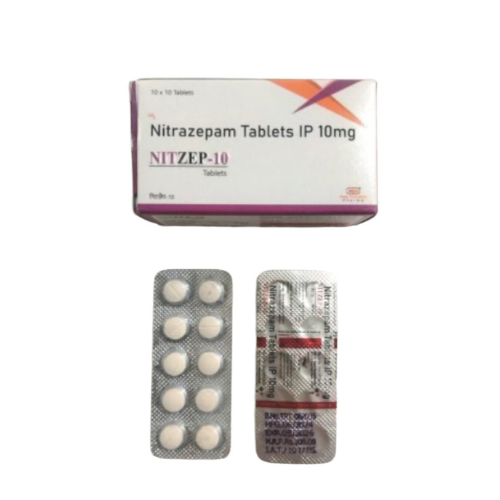
Nitrazapam Tablets 10mg
£43.50Order treatment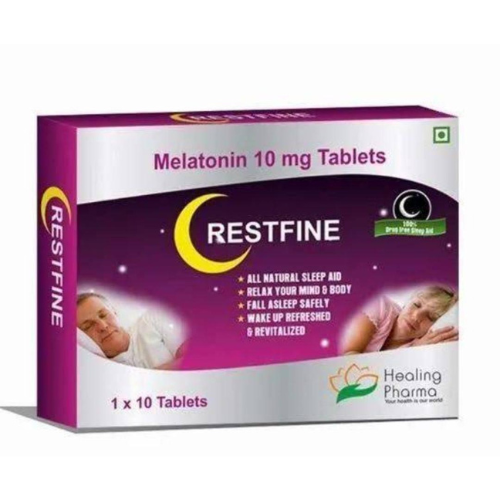
Restfine Melatonin 10mg
£55.00Order treatment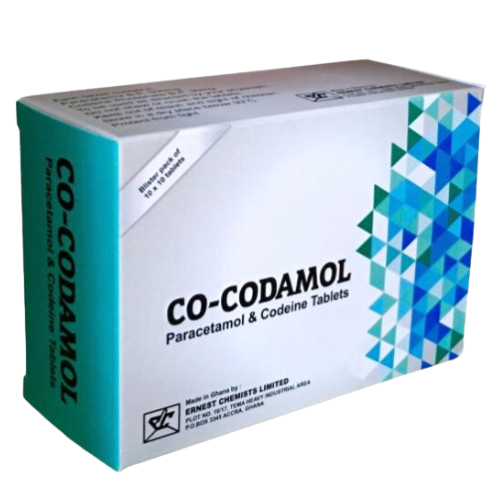
Co-codamol Paracetamol & Codeine Tablets
£40.50Order treatment
Xanax 4mg B707 boyings
£66.00Order treatment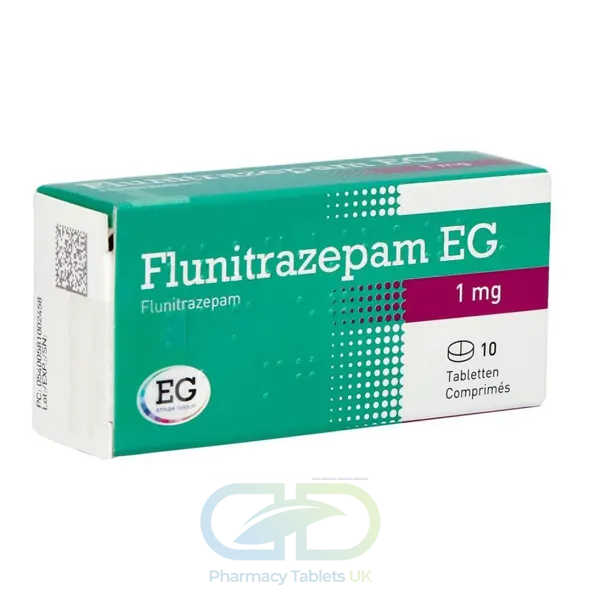
Flunitrazolam EG 1mg
Flunitrazepam is a benzodiazepine used to treat severe insomnia and assist with anesthesia. As with other hypnotics, flunitrazepam has been
£30.00Order treatment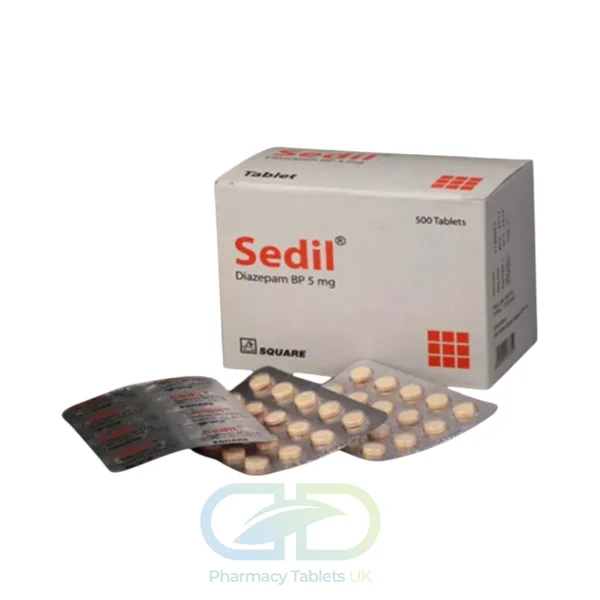
Sedi Diazapam 5mg
Sedi Diazapam 5mg for anxiety and stress relief Helps promote relaxation and calms the mind Supports a restful night's sleep
£36.00Order treatmentTreatments listed here are offered subject to online consultation. GPhC-registered pharmacy.
References
- Insomnia – Treatment: NHSnhs.uk
- Hypnotics – NICE guidance on prescribingbnf.nice.org.uk
- Insomnia in adults: evidence-based managementnice.org.uk
Frequently asked questions
What is the closest drug to zopiclone in terms of how it works?
Zolpidem is generally considered the closest drug to zopiclone in terms of mechanism. Both are Z-drugs that act on GABA receptors in the brain to produce sedation, though they differ slightly in how long they stay active in the body. Zolpidem tends to have a shorter half-life, which can mean less morning grogginess for some people.
What is the closest drug to zopiclone available without a prescription?
There is no over-the-counter medication that works in exactly the same way as zopiclone. Antihistamine-based sleep aids like diphenhydramine are available in pharmacies, but they work differently and are only recommended for short-term occasional use. For anything stronger, you will need a prescription from a qualified prescriber.
How does zolpidem compare to zopiclone in effectiveness and side effects?
Both medications are broadly similar in effectiveness for short-term insomnia. Zolpidem may cause slightly less of a bitter metallic taste in the mouth, which is a common complaint with zopiclone. However, both carry risks of dependence, next-day drowsiness, and rebound insomnia, so neither is considered safe for long-term use.
Can I switch from zopiclone to another sleep aid safely?
Switching should always be done with guidance from your GP or prescriber. Stopping zopiclone abruptly after regular use can cause withdrawal symptoms including rebound insomnia and anxiety. A gradual taper is usually recommended, and your doctor may suggest transitioning to a different medication or a structured sleep programme like CBT-I.
Are there natural alternatives that provide similar sleep benefits to zopiclone?
Some people find that supplements like melatonin, valerian root, or magnesium help with sleep onset, though none of these replicate the pharmacological strength of zopiclone. Cognitive Behavioural Therapy for Insomnia (CBT-I) is actually recommended by NICE as the first-line treatment for chronic insomnia and has strong evidence behind it.
Is zopiclone being phased out in favour of other medications?
Zopiclone has not been officially phased out, but prescribing guidelines have become increasingly cautious about all Z-drugs due to concerns over dependence and misuse. NICE guidance now emphasises non-pharmacological approaches first, and many GPs are reluctant to prescribe zopiclone for more than two to four weeks at a time.
What are the long-term risks of zopiclone-like medications?
Long-term use of zopiclone and similar drugs is associated with physical and psychological dependence, tolerance (needing higher doses for the same effect), and withdrawal symptoms on stopping. There are also concerns about cognitive effects and an increased risk of falls, particularly in older adults. These risks apply to zolpidem and benzodiazepines as well.