
Treatment And Medicine
What is the Fastest Way to Stop Shingles Pain? A Practical Guide to Relief
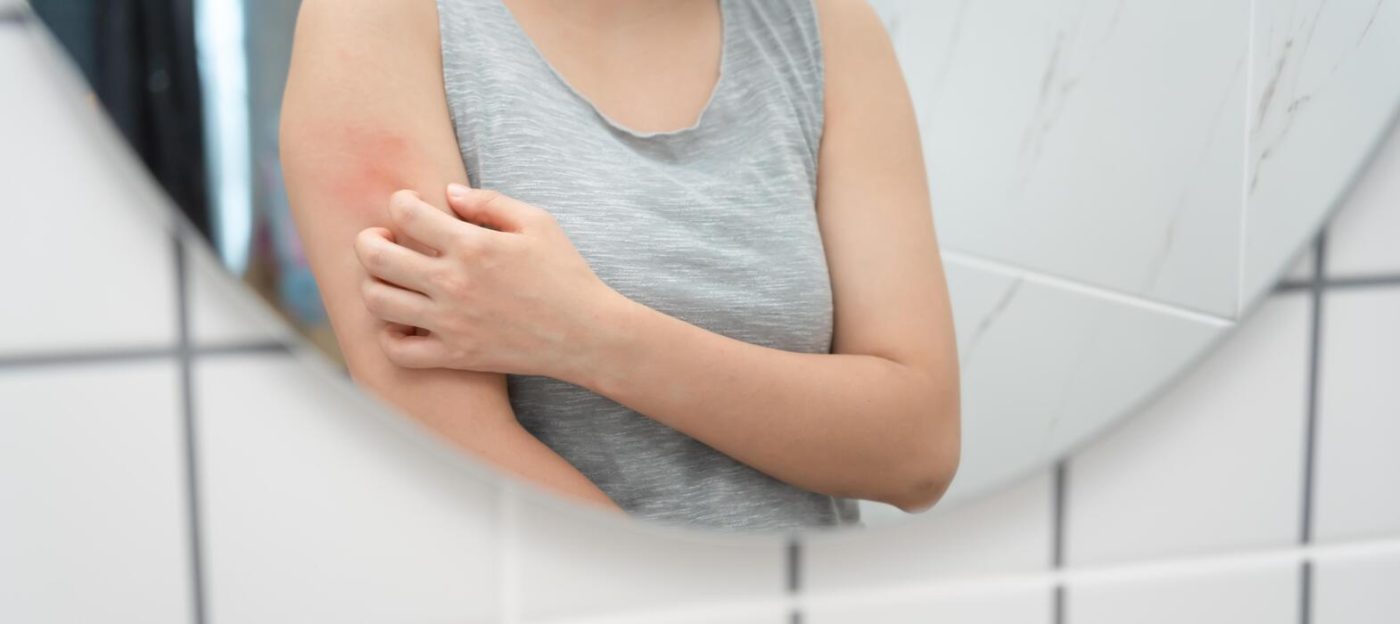
Aug
What is the fastest way to stop shingles pain? It is one of the most urgent questions people ask when that distinctive burning, stabbing sensation starts. And understandably so. Shingles pain is not just uncomfortable. For many people, it is genuinely distressing, and it can feel relentless. The good news is that a clear, evidence-based path to relief does exist, and knowing what to do in the right order makes a real difference.
Shingles (herpes zoster) is caused by the reactivation of the varicella-zoster virus, the same one responsible for chickenpox. It typically produces a painful, blistering rash on one side of the body or face. The pain can begin before the rash even appears, which is one reason people sometimes dismiss the early warning signs. If you want to understand those early signals better, our guide to the symptoms of shingles to watch for is a good starting point.
This guide walks through every realistic option, from prescription antivirals to cooling compresses, in a logical order. No false promises. No hype. Just practical, grounded information to help you feel better as quickly as possible.
The Role of Early Intervention in Pain Management
Here’s the thing: timing is everything with shingles. The single most impactful thing you can do is act fast. Clinical evidence consistently shows that starting antiviral treatment within 72 hours of the rash appearing significantly improves pain outcomes and reduces the risk of long-term nerve damage3.
So if you suspect shingles, do not wait to see if it gets better on its own. Contact your GP or a pharmacist today. Not tomorrow. Today.
Many people lose that critical 72-hour window simply because they are not sure what they are dealing with. The rash can look like a lot of things in the early stages. A friend of mine spent two days assuming she had an allergic reaction before her GP spotted the telltale dermatomal pattern and immediately prescribed antivirals. She still talks about how much she wishes she had gone sooner.
Anyway. The point is: early action is not just helpful. It is the most powerful tool you have.
Antiviral Medications: The First Line of Defence
Antiviral medications are the cornerstone of shingles treatment and the fastest route to meaningful pain relief. According to NHS guidance, antivirals such as aciclovir, valaciclovir, and famciclovir work by slowing the replication of the varicella-zoster virus, which in turn reduces the severity and duration of the outbreak1.
Most people start noticing improvement in pain within two to three days of beginning a course of antivirals. Full resolution of acute pain typically takes one to three weeks, depending on how quickly treatment was started and the individual’s overall health.
Who qualifies for antiviral treatment?
Not everyone with shingles will automatically be prescribed antivirals. Your GP will consider several factors:
- Whether you are within 72 hours of rash onset (or still developing new blisters)
- Whether you are aged 50 or over
- Whether the rash affects the face, eye area, or ear
- Whether you have a weakened immune system
- Whether your pain is moderate to severe
If you fall into any of these categories, treatment is strongly recommended. Do not be shy about advocating for yourself at the appointment. Ask directly whether antivirals are appropriate for you.
What about the shingles vaccine?
Prevention is worth mentioning here, even if it is a bit late once you already have shingles. The Shingrix vaccine is available on the NHS for adults aged 70 to 79 and is highly effective at reducing both the risk of shingles and the severity of pain if it does occur. Something to discuss with your GP once you have recovered.
Topical Treatments for Immediate Shingles Relief
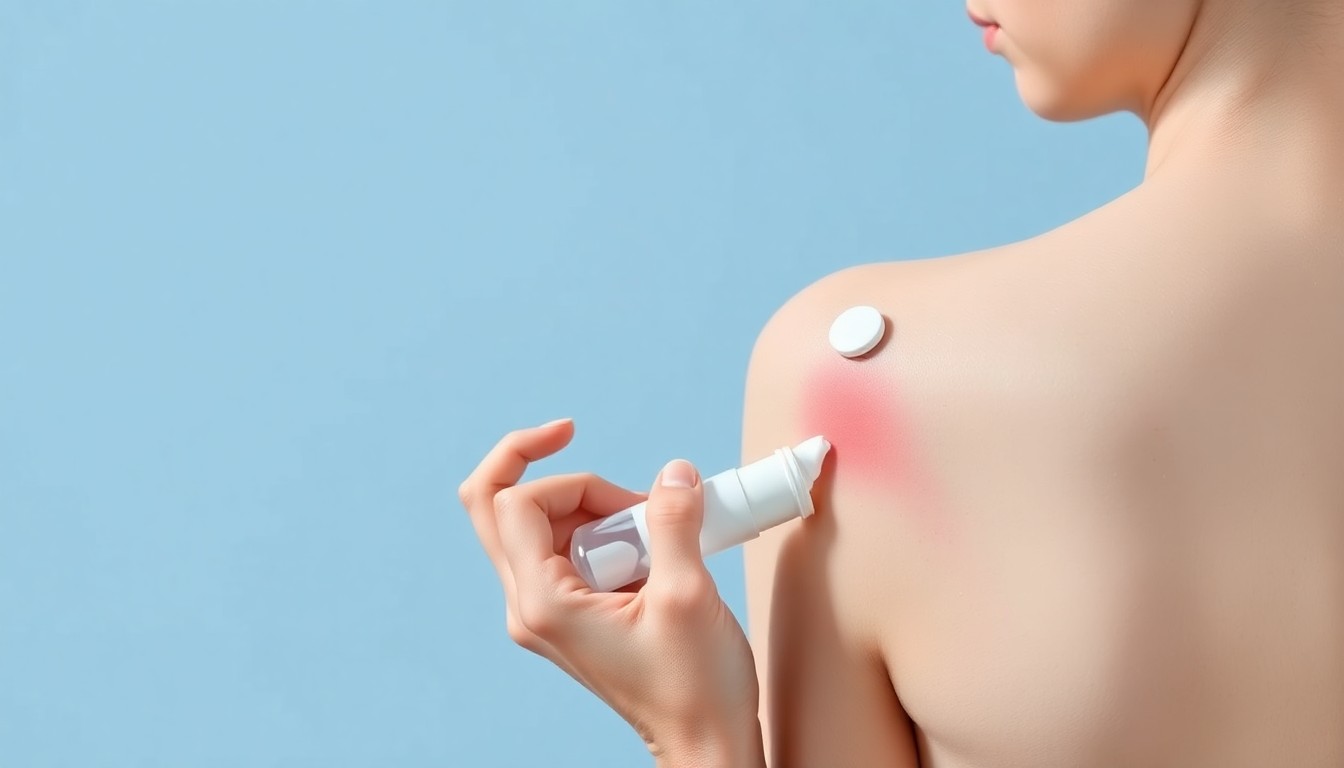
While antivirals work on the virus itself, topical treatments target the pain at the surface level. They will not stop shingles in its tracks, but they can take the edge off significantly, especially in the first few days.
Lidocaine patches and gels
Lidocaine is a local anaesthetic that numbs the skin directly. Patches or gels applied to the affected area can provide noticeable relief within minutes. They are particularly useful for people who cannot tolerate oral painkillers or who want targeted relief without systemic effects. Your GP or pharmacist can advise on appropriate products and how to use them safely.
Capsaicin cream
Capsaicin, derived from chilli peppers, works differently. It gradually depletes a chemical in the nerves called substance P, which is responsible for transmitting pain signals. The catch is that it causes a burning sensation when first applied, which can be off-putting. But with regular use, that sensation fades and pain relief builds up over days to weeks.
Calamine lotion
Old-fashioned, perhaps. But calamine lotion genuinely helps with the itching and discomfort of the rash itself. It is cooling, soothing, and available from any pharmacy without a prescription. Apply it gently with a cotton pad and let it dry naturally.
Over-the-Counter Pain Relief Options
What is the fastest way to stop shingles pain when you are waiting for a GP appointment or your antivirals to kick in? Over-the-counter (OTC) painkillers can provide meaningful relief in the short term.
| OTC Option | Best For | Key Consideration |
|---|---|---|
| Paracetamol | Mild to moderate pain | Safe for most people; take regularly rather than waiting for pain to peak |
| Ibuprofen | Pain with inflammation | Avoid if you have stomach issues or kidney problems; check with pharmacist first |
| Paracetamol + codeine | Moderate pain not controlled by paracetamol alone | Can cause constipation; not for long-term use without medical advice |
One thing people often get wrong: they take painkillers reactively, only when the pain becomes unbearable. For shingles, it is more effective to take them on a regular schedule (following the dosing instructions) so that you maintain a consistent level of pain control rather than playing catch-up.
Natural Remedies to Reduce Shingles Pain
Natural remedies will not replace medical treatment. Full stop. But as a complement to antivirals and OTC painkillers, several approaches genuinely help people feel more comfortable during recovery.
Cool compresses
A clean, cool (not ice cold) damp cloth applied to the rash can reduce the burning sensation and itching. Do this for 10 to 15 minutes at a time, several times a day. Avoid anything too cold, as extreme temperature changes can irritate already sensitive skin.
Oatmeal baths
Colloidal oatmeal, the finely ground kind sold specifically for skin conditions, has well-documented anti-inflammatory properties. Adding it to a lukewarm bath and soaking for 15 to 20 minutes can calm the itching and provide a sense of relief. It is one of those remedies that sounds a bit rubbish until you actually try it.
Turmeric
Turmeric contains curcumin, a compound with anti-inflammatory properties. Some integrative medicine practitioners recommend it as a dietary supplement during shingles recovery. The evidence base is modest compared to pharmaceutical options, but it is generally safe and some people find it helpful. Speak to your GP or pharmacist before adding any supplement to your routine.
Loose, breathable clothing
This sounds obvious but makes a real difference. Tight clothing rubbing against the rash is genuinely painful. Loose cotton or bamboo fabrics reduce friction and allow the skin to breathe. Some people find covering the rash with a non-stick dressing also helps prevent clothing from catching on blisters.
Stress reduction
Shingles often reactivates during periods of stress or immune suppression. And being in pain is itself stressful, which can slow recovery. Gentle relaxation techniques, whether that is slow breathing, light walking, or simply resting properly, support the immune system and may reduce pain perception. It is not a cure. But it is not nothing, either.
Managing Post-Herpetic Neuralgia: Long-Term Pain Solutions

Post-herpetic neuralgia (PHN) is the name for shingles pain that persists after the rash has healed. It affects roughly one in five people who get shingles, and it can last for months or even years. The pain is typically described as burning, stabbing, or a constant ache, and it can be severe enough to interfere with daily life.
According to NICE guidance, PHN is more common in older adults and in those who experienced severe pain during the acute phase of shingles2. This is exactly why early antiviral treatment matters so much. It does not just reduce short-term pain. It significantly lowers the risk of developing PHN in the first place.
Starting antiviral treatment within 72 hours of the rash appearing is the single most effective way to reduce both the severity of shingles pain and the risk of long-term nerve damage.
Treatment options for PHN
If pain persists beyond the acute phase, your GP may consider:
- Tricyclic antidepressants such as amitriptyline, which have well-established evidence for nerve pain
- Gabapentinoids (gabapentin or pregabalin), which reduce nerve signal transmission and can significantly ease PHN
- High-concentration capsaicin patches, applied in a clinical setting for longer-lasting relief
- Lidocaine patches for localised, continuous numbing
- Referral to a pain clinic for complex or severe cases
PHN is a recognised medical condition and deserves proper treatment. Do not accept being told to simply manage it. If your pain is persisting and affecting your quality of life, push for a referral. You are entitled to support. For a broader look at medication options, our guide to the best medication for shingles covers the evidence in more detail.
Lifestyle Changes to Accelerate Shingles Recovery
Your body is fighting a viral infection. Everything you do to support that fight helps. Everything that undermines it slows recovery.
Sleep and rest
Proper sleep is when the immune system does its most intensive repair work. Shingles pain can make sleep very difficult, which creates a frustrating cycle. Keeping the rash covered lightly, using OTC pain relief before bed, and sleeping in a cool room can all help. If pain is severely disrupting your sleep, tell your GP. This is a valid clinical concern, not just a comfort issue.
Hydration and nutrition
Staying well hydrated and eating a balanced diet with adequate protein supports tissue repair and immune function. Nothing exotic required. Just consistent, sensible eating. Avoid alcohol, which can interfere with immune response and interact with some pain medications.
Avoid spreading the virus
Shingles itself is not contagious in the sense that you cannot pass shingles to someone else. But you can transmit the varicella-zoster virus to someone who has never had chickenpox, causing them to develop chickenpox. Keep the rash covered, avoid contact with pregnant women, newborns, and immunocompromised people until the blisters have fully crusted over.
When to Seek Medical Attention for Severe Pain
Some situations require urgent medical attention. Do not delay if you experience any of the following:
- The rash appears near or around your eye (this can threaten vision and needs same-day assessment)
- You develop facial weakness, hearing loss, or dizziness alongside the rash
- You have a weakened immune system due to illness or medication
- Your pain is so severe that OTC painkillers are not helping at all
- The rash is spreading rapidly or becoming infected (increased redness, warmth, pus)
- You develop a high fever or feel very unwell generally
Look, it can feel like a lot of fuss to go to A&E or call 111. But shingles affecting the eye or ear is a genuine emergency. Do not talk yourself out of seeking help in those situations.
This content is for informational purposes only and does not constitute medical advice. Always consult a qualified healthcare professional before starting any new supplement, herbal remedy, or treatment plan. Do not use this information to diagnose or treat any health condition without professional guidance.
Related treatments from PTUK
Regulated UK pharmacy. Prescription required where applicable.
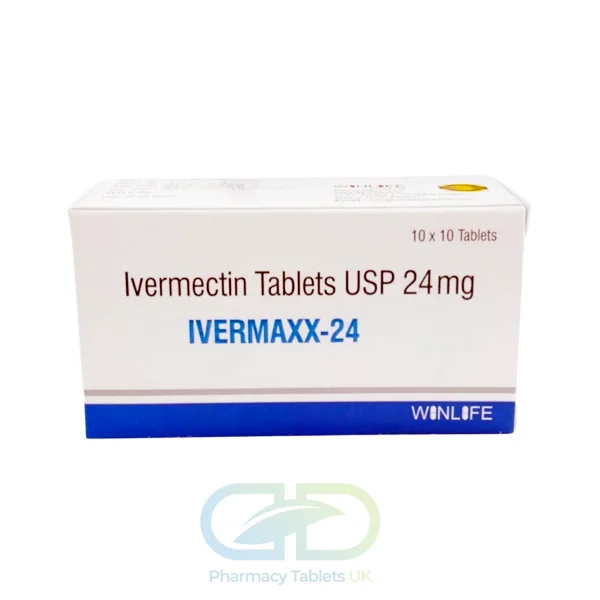
Ivermectin USP 24mg (Ivermaxx-24)
Ivermectin USP 24mg (Ivermaxx-24) for parasite control High-quality, pure Ivermectin for effective treatment
£40.50Order treatment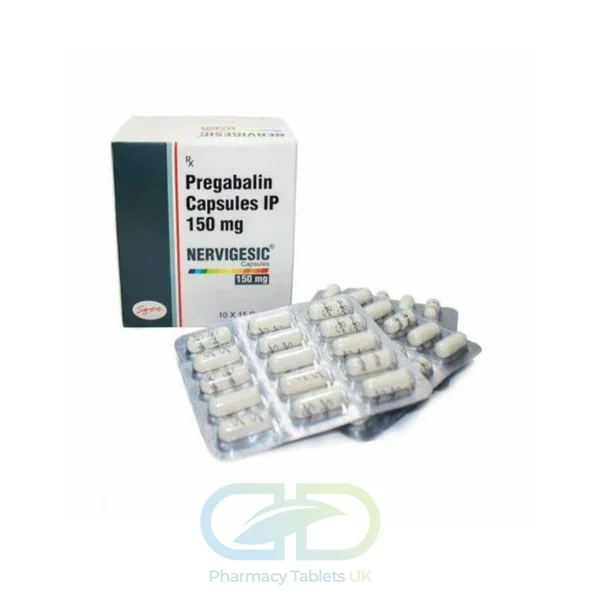
Pregabalin 150mg Capsules
Pregabalin 150mg Capsules for nerve pain relief Effective for anxiety and epilepsy management High-quality, affordable capsules
£33.00Order treatment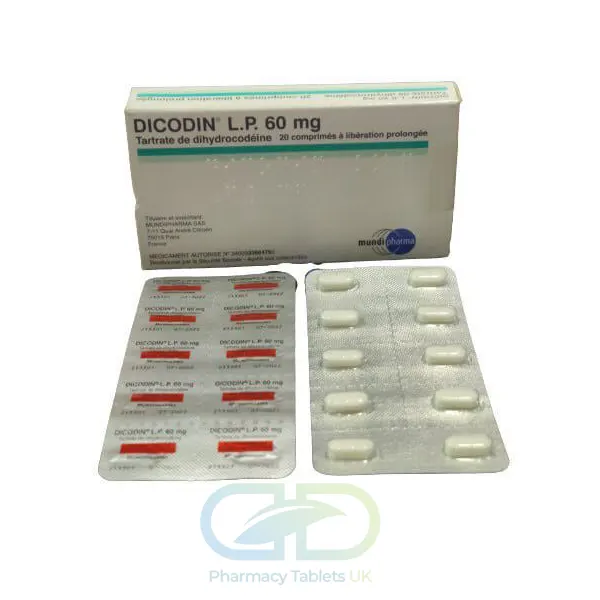
Dihydrocodeine 60mg
£93.00Order treatment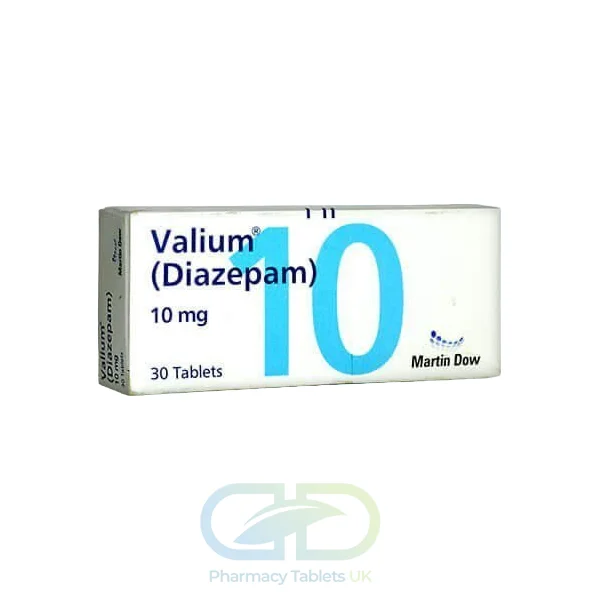
Valium (Diazepam) 10mg by Martin Dow
Diaxium 10mg (Diazepam) Tablets UK are essential for the benzodiazepine group of medications that are utilized to treat a wide scope of cond
£37.50Order treatment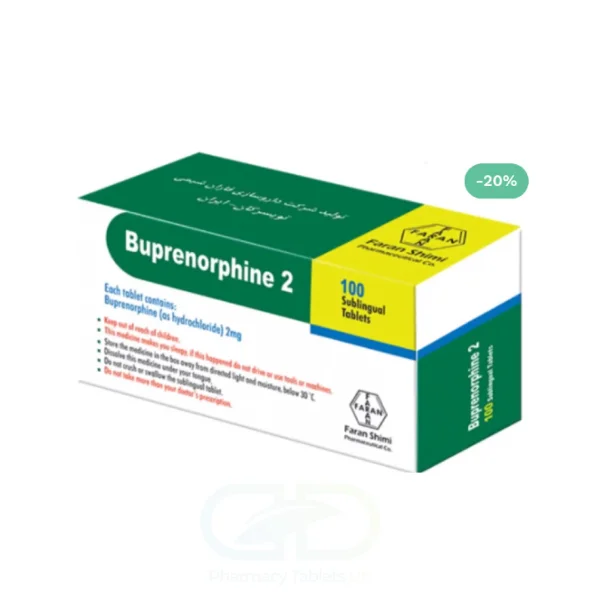
Buprenorphine 2mg Sublingual Tablets
Buprenorphine 2mg Sublingual Tablets for opioid dependence Helps manage withdrawal symptoms and cravings Convenient sublingual administratio
£30.00Order treatment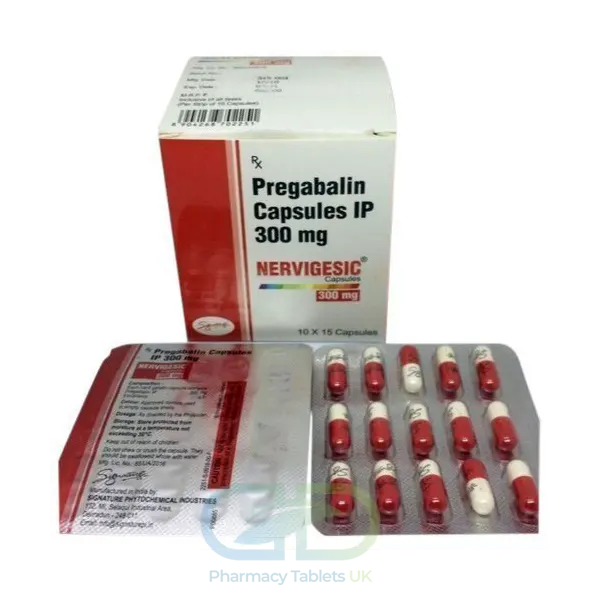
Pregabalin Capsules 300mg
Buy Pregabalin 300mg Online , Targeted Nerve Pain Relief Pregabalin 300mg, also known under the brand name Nervigesic 300mg, is a powerful t
£37.50Order treatmentTreatments listed here are offered subject to online consultation. GPhC-registered pharmacy.
References
- Shingles – Treatment – NHSnhs.uk
- Postherpetic neuralgia – NICE CKScks.nice.org.uk
- Shingles – NICE CKScks.nice.org.uk
Frequently asked questions
What is the fastest way to stop shingles pain at home?
The fastest way to reduce shingles pain at home is to combine a cool, damp compress applied to the rash with an over-the-counter painkiller such as paracetamol or ibuprofen. Keeping the affected area clean and loosely covered also helps. But home measures work best alongside antiviral medication prescribed by your GP, so do not delay seeking medical advice.
How quickly can antiviral medications relieve shingles pain?
Most people notice some improvement in pain within two to three days of starting antiviral medication, provided treatment begins within 72 hours of the rash appearing. Full relief can take one to three weeks depending on the severity of the outbreak. Starting antivirals early is the single most important step you can take.
What is the best topical treatment for shingles pain relief?
Lidocaine patches and capsaicin cream are among the most studied topical options for shingles pain. Lidocaine works by numbing the area directly, while capsaicin gradually depletes the nerve chemical that transmits pain signals. Your GP or pharmacist can advise which is most appropriate for your situation.
Can natural remedies alone stop shingles pain without medication?
Natural remedies such as cool compresses, oatmeal baths, and turmeric can offer meaningful comfort, but they are unlikely to stop shingles pain on their own. Shingles is caused by a viral reactivation, and antiviral medication is the only treatment that targets the underlying cause. Use natural approaches to complement, not replace, medical treatment.
How long does shingles pain typically last?
For most people, the acute pain of shingles lasts two to four weeks. However, around one in five people develop post-herpetic neuralgia, where nerve pain persists for months or even years after the rash has cleared. Early antiviral treatment significantly reduces the risk of this longer-term complication.
Is it possible to prevent post-herpetic neuralgia pain?
Starting antiviral treatment within 72 hours of symptom onset is the most effective way to reduce the risk of post-herpetic neuralgia. The shingles vaccine (Shingrix) also substantially lowers the chance of developing shingles in the first place, and is recommended for adults aged 70 to 79 on the NHS. Speak to your GP about your eligibility.
How should I apply capsaicin cream for shingles relief?
Capsaicin cream should only be applied once the shingles blisters have fully crusted over and healed, never to open or weeping skin. Apply a thin layer to the affected area three to four times daily using gloves or a cotton applicator, and wash your hands thoroughly afterwards. A burning sensation is normal at first and usually fades with regular use.