Treatment And Medicine
What is the new sleeping tablet in the UK? A Complete Guide to the Latest Sleep Medications
Aug
So, what is the new sleeping tablet in the UK that everyone seems to be asking about? If you’ve spent any time searching for sleep help recently, you’ll have noticed a lot of noise: old advice recycled on social media, herbal remedies promoted as magic fixes, and vague mentions of “new” medications with very little detail. The truth is, the UK sleep medication space has genuinely shifted in the past couple of years, and there are real, meaningful differences between what’s newly available and what your GP might have prescribed a decade ago.
Insomnia is not a niche problem. According to the NHS, around one in three people in the UK will experience insomnia at some point in their lives1. That’s a staggering number. And yet, for years, the treatment options have felt stuck: benzodiazepines, Z-drugs, antihistamines. Effective for some, problematic for others, and rarely a long-term answer on their own.
This guide cuts through the confusion. We’ll look at what’s actually new, how it compares to older options, what you can access on the NHS, and where natural approaches fit into the picture.
What Are the Newest Sleeping Tablets Available in the UK?

The most significant development in UK sleep medicine in recent years is the approval of daridorexant (sold under the brand name Quviviq). The Medicines and Healthcare products Regulatory Agency (MHRA) approved it in 2023, making it the first in a new class of sleep drugs called dual orexin receptor antagonists (DORAs) to reach UK patients.
Here’s the thing: this isn’t just a rebranded version of something old. Daridorexant works in a fundamentally different way from any sleep medication previously available in the UK. Rather than broadly sedating the nervous system, it specifically blocks orexin, a neurotransmitter that promotes wakefulness. Think of it less like turning the lights off and more like gently dimming the switch that keeps you awake.
NICE published a technology appraisal recommending daridorexant as an option for adults with insomnia disorder when symptoms are moderate to severe and have lasted at least three months2. That’s a meaningful clinical endorsement, not just a rubber stamp.
Other notable developments include:
- Melatonin (Circadin): Available on NHS prescription for adults over 55 with primary insomnia, and increasingly used off-label for shift workers and jet lag management.
- Low-dose doxepin: A tricyclic antidepressant repurposed at very low doses specifically for sleep maintenance insomnia, approved in some clinical contexts.
- Extended-release formulations of existing drugs, designed to reduce the peak sedation effect and improve next-day functioning.
None of these are available without a prescription. And none of them are a substitute for addressing the underlying causes of poor sleep. But they do represent a genuine step forward.
New Sleep Medications Approved by the MHRA in 2024
Regulatory approvals move slowly, and 2024 has been more about expanding access to daridorexant than introducing entirely new molecules. The focus has been on NICE’s formal guidance and NHS commissioning decisions, which determine whether a drug actually reaches patients rather than just sitting on a licence.
Daridorexant received its NICE technology appraisal guidance in 2024, recommending it within its marketing authorisation for insomnia disorder in adults. This was a significant moment. Prior to this, even if a GP wanted to prescribe it, NHS funding was uncertain in many areas.
It’s also worth knowing that the pipeline for sleep medications is active. Several other orexin antagonists and novel compounds are in late-stage clinical trials, though none have reached UK approval as of late 2024. The field is moving. Slowly, but it’s moving.
How Do New UK Sleep Tablets Compare to Traditional Options?
This is where things get genuinely interesting. The difference between new and old sleep medications isn’t just marketing. It’s pharmacological.
| Medication Type | Examples | Mechanism | Dependence Risk | NHS Availability |
|---|---|---|---|---|
| Benzodiazepines | Diazepam, temazepam | GABA-A receptor enhancement (broad sedation) | High | Yes (restricted use) |
| Z-drugs | Zopiclone, zolpidem | GABA-A receptor enhancement (more selective) | Moderate to high | Yes (short-term) |
| Antihistamines | Diphenhydramine, promethazine | Histamine H1 blockade | Low | OTC / prescription |
| Melatonin | Circadin | Melatonin receptor agonist | Very low | Yes (55+ or specific cases) |
| Orexin antagonists | Daridorexant (Quviviq) | Dual orexin receptor blockade | Low (emerging data) | Yes (NICE-recommended) |
Older drugs like benzodiazepines and Z-drugs are effective, but they come with well-documented risks: dependence, tolerance, next-day cognitive impairment, and rebound insomnia when you stop. If you want to read more about how these older medications work and their uses, our guide to the strongest sleeping pill in the UK covers this in detail.
The newer orexin-based approach is more targeted. Early clinical data suggests lower rates of next-day sedation and a more favourable safety profile over months of use. That said, long-term data is still accumulating. We don’t yet have decades of real-world evidence the way we do with zopiclone.
Newer sleep medications don’t knock you out. They stop your brain from insisting you stay awake. That’s a meaningful distinction.
Natural vs Pharmaceutical: New Sleep Solutions in Britain

Look, not everyone wants to go straight to a prescription. And honestly, for mild or situational insomnia, that’s often the right instinct. NICE itself recommends cognitive behavioural therapy for insomnia (CBT-I) as the first-line treatment before any medication is considered3.
CBT-I works. Properly done, it outperforms sleeping tablets in long-term outcomes for most people with chronic insomnia. The problem is access. NHS waiting lists for psychological therapies can be long, and not everyone can afford private therapy. So people end up in a gap: too severe for self-help, too far down the list for therapy, reluctant to take medication.
This is where a holistic approach matters. The evidence-informed natural options worth knowing about include:
- Melatonin supplements: Available on prescription in the UK. Over-the-counter versions are not licensed here the way they are in the US, so be cautious about what you’re actually buying.
- Magnesium glycinate: Some evidence suggests it supports sleep quality, particularly in older adults or those who are deficient. Not a cure, but potentially useful as part of a wider approach.
- Valerian root: Traditional use is well-established, but the clinical evidence is mixed. Some people find it helpful; others notice no difference at all.
- Sleep hygiene: Still the foundation. Consistent wake times, limiting screens before bed, keeping your bedroom cool. Boring, but genuinely effective.
I remember a conversation with a pharmacist friend who told me about a patient who’d been on zopiclone for three years without anyone ever suggesting CBT-I. When she finally got a referral and completed the programme, she came off the tablets within two months. The medication had been a sticking plaster over a problem that needed a different kind of attention. Anyway, that’s not to say medication is wrong. It’s to say it works best as part of a bigger picture.
For practical techniques you can start tonight, our article on home remedies to fall asleep quickly is a good place to start. And if insomnia is your specific challenge, our guide to how to fall asleep faster with insomnia goes deeper into the behavioural side.
Which New Sleeping Tablets Are Available on the NHS?
This is the practical question most people actually want answered. The short version: daridorexant is now NICE-recommended and should be available via NHS prescription for eligible adults. Melatonin (Circadin) is available for adults over 55 with primary insomnia, and in some cases for younger adults with specific sleep disorders.
To access newer sleep medications on the NHS, you’ll typically need:
- A GP consultation where other causes of poor sleep have been ruled out.
- Evidence that first-line approaches (sleep hygiene, CBT-I) have been tried or are not appropriate.
- A diagnosis of insomnia disorder, not just occasional poor sleep.
- A clinical assessment of whether the specific drug is suitable given your health history and other medications.
If you’re unsure about what’s driving your sleep problems in the first place, our article on why your body might not be letting you sleep is worth a read before your GP appointment.
Side Effects and Safety of the Latest Sleep Medications in the UK

No medication is without risk. Full stop. The newer orexin antagonists have a different side effect profile from older sleep drugs, but they’re not risk-free.
Reported side effects of daridorexant include:
- Headache (most common, usually mild)
- Dizziness or somnolence the following morning
- Unusual or vivid dreams
- Fatigue, particularly in the early weeks
Importantly, clinical trials did not find significant rebound insomnia when patients stopped taking daridorexant, which is a real problem with older Z-drugs and benzodiazepines. There was also no evidence of physical dependence in trials lasting up to 12 months. That’s genuinely encouraging data, though it doesn’t mean the drug is suitable for everyone.
People who should exercise particular caution include:
- Those with narcolepsy (orexin signalling is already impaired in this condition)
- People with severe liver impairment
- Pregnant or breastfeeding women (safety data is limited)
- Those taking strong CYP3A4 inhibitors (certain antifungals, some HIV medications)
Where to Buy New Sleeping Tablets in the UK: A Complete Guide
Here’s the reality: the newest prescription sleep medications cannot be bought over the counter. You need a prescription. Full stop. Anyone selling daridorexant or similar drugs without a valid prescription process is operating outside UK law and should be avoided entirely.
Your options for accessing prescription sleep medication in the UK are:
- Your NHS GP: The standard route. Free at the point of access, though you’ll pay the prescription charge unless exempt. Currently £9.90 per item in England (2024).
- NHS urgent care or out-of-hours services: Generally not appropriate for ongoing sleep medication; these services focus on acute presentations.
- Private GP services: Faster access, but you’ll pay for the consultation and the private prescription. Costs vary widely.
- Regulated online prescribing services: These can be a convenient option for people who struggle to get GP appointments. The key word is regulated. Any online service prescribing sleep medication in the UK must be registered with the Care Quality Commission (CQC) and employ GMC-registered prescribers.
Be very wary of any website offering sleep medications without a genuine prescribing consultation. A legitimate service will always ask about your medical history, current medications, and symptoms before issuing any prescription.
Expert Guide to Choosing the Right New Sleep Tablet for Your Needs
Choosing a sleep medication isn’t like picking a vitamin. It requires a proper clinical conversation. But there are some useful frameworks for thinking about what might suit you.
Ask yourself these questions before your GP appointment:
- Is my sleep problem mainly about getting to sleep, staying asleep, or waking too early?
- How long has this been going on?
- Have I tried any behavioural approaches, and if so, what happened?
- Do I have any other health conditions that might be affecting my sleep?
- Am I taking any other medications that could interact with a sleep drug?
Different drugs suit different patterns. Daridorexant, for example, has shown particular effectiveness for sleep maintenance insomnia (waking in the night) as well as sleep onset problems. Melatonin tends to work better for circadian rhythm disruption, like jet lag or shift work, rather than chronic insomnia driven by anxiety or hyperarousal.
And if anxiety is a significant part of your sleep picture, it’s worth having that conversation explicitly with your GP. Sometimes treating the anxiety is more effective than treating the insomnia directly. But I digress.
This content is for informational purposes only and does not constitute medical advice. Always consult a qualified healthcare professional before starting any new supplement, herbal remedy, or treatment plan. Do not use this information to diagnose or treat any health condition without professional guidance.
Related treatments from PTUK
Regulated UK pharmacy. Prescription required where applicable.
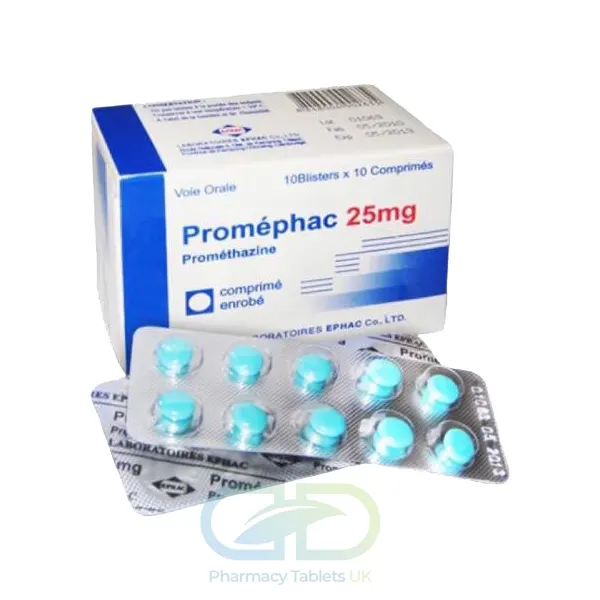
Promethazine 25mg
What is Promethazine 25mg? Promethazine tablets are a remedy that can be used to ease symptoms of hay fever, travel sickness, sleep disturba
£39.00Order treatment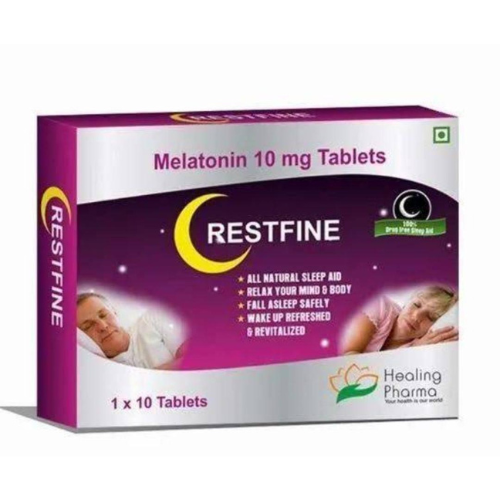
Restfine Melatonin 10mg
£55.00Order treatment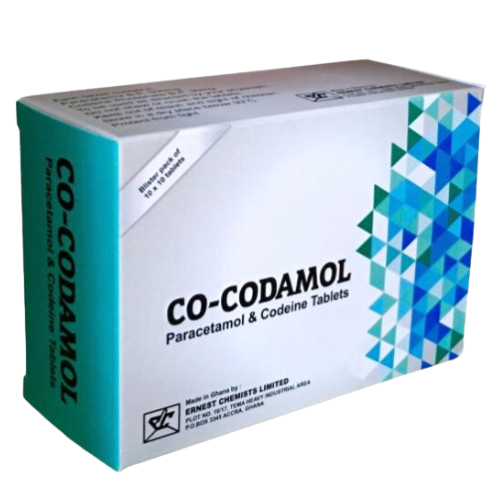
Co-codamol Paracetamol & Codeine Tablets
£40.50Order treatment
Xanax 4mg B707 boyings
£66.00Order treatment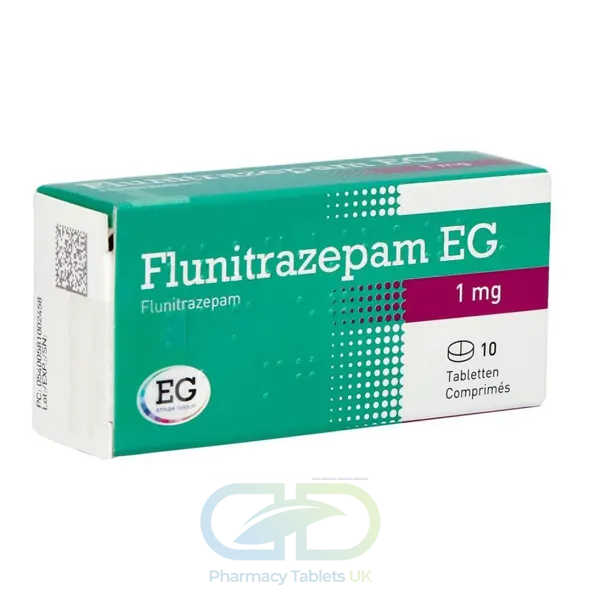
Flunitrazolam EG 1mg
Flunitrazepam is a benzodiazepine used to treat severe insomnia and assist with anesthesia. As with other hypnotics, flunitrazepam has been
£30.00Order treatment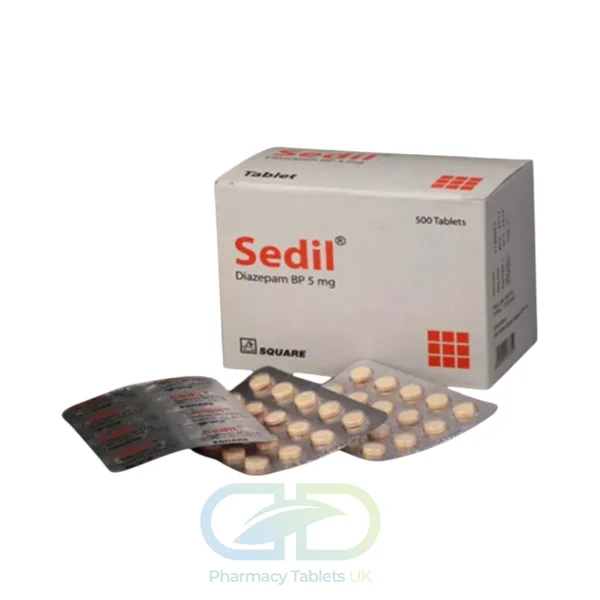
Sedi Diazapam 5mg
Sedi Diazapam 5mg for anxiety and stress relief Helps promote relaxation and calms the mind Supports a restful night's sleep
£36.00Order treatmentTreatments listed here are offered subject to online consultation. GPhC-registered pharmacy.
References
Frequently asked questions
What is the new sleeping tablet in the UK available on prescription?
The most recently approved sleep medication in the UK is daridorexant (brand name Quviviq), an orexin receptor antagonist approved by the MHRA in 2023. It works differently from older sleep drugs by blocking the brain’s wake-promoting signals rather than broadly sedating the nervous system. Your GP can prescribe it if other treatments have not worked, though availability varies by region.
Can you buy new sleep tablets over the counter in the UK?
Most of the newest prescription-only sleep medications, including daridorexant, cannot be bought over the counter. However, certain older antihistamine-based sleep aids like diphenhydramine are available without a prescription at pharmacies. For newer, more targeted sleep medicines, you will need a consultation with a GP or a regulated online prescribing service.
What is the new sleeping tablet in the UK compared to older options like zopiclone?
Newer sleep medications like daridorexant work by targeting orexin receptors, which regulate wakefulness, rather than broadly depressing the central nervous system as older drugs like zopiclone or benzodiazepines do. This means they carry a lower risk of dependence and next-day grogginess for many people. That said, older options remain widely used and can be appropriate depending on the individual’s circumstances.
Are there natural alternatives to new pharmaceutical sleeping tablets in the UK?
Yes, several evidence-informed natural options exist alongside pharmaceutical treatments. Melatonin supplements are available on prescription in the UK for certain groups, and cognitive behavioural therapy for insomnia (CBT-I) is recommended by NICE as a first-line treatment. Herbal remedies like valerian and magnesium are widely used, though the evidence base for these is more limited than for prescription options.
What should I expect when starting a new sleeping tablet?
When you start a new sleep medication, you may notice improvements within the first few nights, but it can take one to two weeks to feel the full benefit. Some people experience mild side effects such as headache, dizziness, or unusual dreams, particularly in the first week. Always follow your prescriber’s instructions and do not stop the medication suddenly without medical advice.
Which new sleep tablet is most suitable for long-term use?
Daridorexant has been studied for up to 12 months and appears to have a more favourable profile for longer-term use compared to older sedatives, with a lower risk of physical dependence. However, NICE and most UK GPs still recommend combining any sleep medication with non-drug approaches like CBT-I for the best long-term outcomes. Suitability always depends on your individual health history, so discuss this with your prescriber.
How much do new sleeping tablets cost in the UK?
If prescribed on the NHS, you pay the standard prescription charge, currently £9.90 per item in England as of 2024, with exemptions for those who qualify for free prescriptions. Private prescriptions for newer sleep medications like daridorexant can cost considerably more, sometimes £50 to £100 or above per month depending on the dose and supplier. Always check whether you qualify for an NHS prescription before going private.