
Treatment And Medicine
What are the Top Five Sleeping Pills? A Complete UK Guide

Aug
So you’ve found yourself staring at the ceiling at 2am again, wondering what on earth you’re supposed to do about it. What are the top five sleeping pills? It’s one of the most searched sleep questions in the UK, and for good reason. Millions of people are struggling to get a decent night’s rest, and the options can feel overwhelming. Prescription, over-the-counter, herbal, hormonal. Where do you even start?
Here’s the thing: sleep isn’t just about feeling tired. Poor sleep affects your mood, your immune system, your weight, your relationships. It touches everything. And yet the conversation around sleep aids is often either alarmist (“you’ll get addicted!”) or dismissive (“just try lavender oil”). Neither is particularly helpful when you’re genuinely struggling.
This guide takes a whole-person look at the most commonly used sleep medications in the UK. We’ll cover how they work, who they suit, and what to watch out for. Because the right choice isn’t the same for everyone.
What are the Top Five Sleeping Pills? An Overview
When people ask “what are the top five sleeping pills?”, they’re usually looking for a clear, ranked list. The honest answer is that it depends on what kind of sleep problem you have. But based on UK prescribing patterns and over-the-counter availability, five categories consistently come up:
- Z-drugs (zopiclone, zolpidem) – the most commonly prescribed short-term sleep aids in the UK
- Benzodiazepines (temazepam, nitrazepam) – older prescription medications still used in specific cases
- Antihistamine-based sleep aids (promethazine, diphenhydramine) – the most accessible over-the-counter options
- Melatonin – a hormone-based option, prescription-only for adults in the UK but increasingly recommended
- Low-dose antidepressants (e.g. mirtazapine, amitriptyline) – prescribed off-label when sleep disruption is linked to anxiety or depression
Each of these works differently in the body. And each comes with its own risk profile, ideal use case, and limitations. Let’s go through them properly.
Most Prescribed Sleep Medications Explained

Z-Drugs: Zopiclone and Zolpidem
Z-drugs are the go-to prescription option for most GPs in the UK when someone genuinely can’t sleep. Zopiclone is probably the most widely prescribed sleep medication in the country3. It works by enhancing the activity of GABA, a neurotransmitter that essentially tells your brain to calm down. Think of it as turning down the volume on your overactive mind.
Zopiclone typically takes around 30 to 60 minutes to kick in and lasts through most of the night. Zolpidem works similarly but is shorter-acting, which can make it better for people who struggle to fall asleep rather than stay asleep. Both are meant for short-term use only, usually no more than two to four weeks1.
Benzodiazepines: Temazepam and Nitrazepam
Benzodiazepines were the standard sleep medication before Z-drugs came along. They work through the same GABA pathway but have a broader effect on the central nervous system. Temazepam is the most commonly prescribed benzodiazepine for sleep in the UK, while nitrazepam has a longer duration of action.
These days, benzodiazepines are prescribed much less frequently for sleep, largely because of the well-established risk of dependence and tolerance. If you want to understand more about how benzodiazepines work and their place in modern prescribing, our guide to the strongest sleeping pill in the UK goes into this in detail. They’re still used, but usually when other options haven’t worked or when there’s a specific clinical reason.
Antihistamine Sleep Aids: Promethazine and Diphenhydramine
These are the ones you can buy at a pharmacy without a prescription. Promethazine (sold under brand names like Phenergan) and diphenhydramine (found in Nytol and similar products) work by blocking histamine receptors in the brain, which causes drowsiness as a side effect.
They’re genuinely useful for the occasional bad night. But here’s the thing most people don’t realise: your body builds tolerance to antihistamines very quickly, often within just a few days. So if you’re using them every night, you may find they stop working surprisingly fast. Next-day grogginess is also a real issue, especially with promethazine, which has a longer half-life.
Melatonin
Melatonin is a hormone your body naturally produces in response to darkness. It doesn’t knock you out the way a sedative does. Instead, it signals to your brain that it’s time to wind down. In the UK, melatonin is only available on prescription for adults (it’s licensed for adults over 55 with primary insomnia), though it can be found in some supplements at lower doses.
It’s particularly useful for jet lag, shift work, and delayed sleep phase syndrome, where your internal clock is simply out of sync with the world. According to NHS guidance, melatonin is generally well tolerated with few serious side effects1. It won’t work well if your insomnia is driven by anxiety or pain, but for circadian rhythm disruption, it can be genuinely effective.
Low-Dose Antidepressants Used for Sleep
This one surprises a lot of people. Medications like mirtazapine and amitriptyline are antidepressants, but at low doses they have strong sedating properties. GPs sometimes prescribe them off-label for sleep, particularly when insomnia is linked to anxiety, depression, or chronic pain.
They’re not a first-line treatment for straightforward insomnia, and they come with their own side effect profile (weight gain, dry mouth, and sexual side effects being the most common). But for the right person, they can address the root cause of poor sleep rather than just masking the symptom. Anyway, the point is that “sleeping pills” covers a much wider range of medications than most people realise.
Comparing the Most Effective Sleep Aids on the Market
| Medication Type | Available Without Prescription? | Typical Duration of Action | Main Risk | Best For |
|---|---|---|---|---|
| Z-drugs (zopiclone, zolpidem) | No | 6 to 8 hours | Dependence, grogginess | Short-term insomnia |
| Benzodiazepines (temazepam) | No | 6 to 12 hours | Dependence, tolerance | Severe short-term insomnia |
| Antihistamines (promethazine) | Yes | 4 to 8 hours | Tolerance, next-day drowsiness | Occasional sleeplessness |
| Melatonin | Prescription only (adults) | Variable | Mild (headache, vivid dreams) | Circadian rhythm disruption |
| Low-dose antidepressants | No | 8 to 12 hours | Weight gain, side effects | Sleep linked to mood or anxiety |
Natural vs. Pharmaceutical: Sleep Solution Options

Is there a natural sleeping pill that actually works? It’s a fair question. And the answer is: sometimes, for some people, yes. But let’s be honest about the evidence.
Melatonin, as discussed, has solid evidence behind it for specific sleep problems. Valerian root has been studied fairly extensively, and while results are mixed, some people do find it helpful for mild insomnia. Magnesium glycinate is another one that comes up regularly, with some research suggesting it may support sleep quality, particularly in people who are deficient2.
I remember a conversation with my aunt who swore by valerian tablets for years. She’d tried zopiclone and hated the metallic taste and the groggy mornings. The valerian didn’t knock her out, but she said it took the edge off enough to let her drift off. Whether that was placebo or pharmacology, who knows. But she slept. Anyway, that’s just one person’s experience.
The honest comparison looks like this:
- Pharmaceutical options tend to be faster-acting and more reliable for severe, acute insomnia
- Natural options tend to be better tolerated, carry lower addiction risk, and suit mild or chronic sleep difficulties
- Behavioural approaches (CBT for insomnia, sleep restriction therapy) have the strongest long-term evidence of all
If you’re curious about non-medication approaches, our guide to home remedies to fall asleep quickly covers practical techniques that genuinely help. And for those whose sleep problems are more persistent, falling asleep faster with insomnia looks at the behavioural strategies that sit alongside medication.
The best sleep aid is the one that addresses why you’re not sleeping, not just the fact that you aren’t.
How to Choose the Right Sleeping Pill for You
Choosing a sleeping pill isn’t like picking a painkiller. The type of insomnia matters enormously. Can’t fall asleep? Something shorter-acting might suit you better. Wake up at 3am and can’t get back to sleep? A longer-acting medication or a different approach entirely might be more appropriate.
Here’s a rough framework:
- Occasional sleeplessness (a few nights a month): An over-the-counter antihistamine may be enough
- Jet lag or shift work: Melatonin is usually the first recommendation
- Short-term acute insomnia (stress, bereavement, illness): A brief course of a Z-drug, prescribed by a GP
- Chronic insomnia with anxiety: A GP might consider a low-dose antidepressant or refer for CBT-I
- Insomnia with a known underlying condition: Treat the condition first
It’s also worth knowing that what are the top five sleeping pills in terms of popularity aren’t necessarily the top five in terms of what’s right for you. Popularity reflects prescribing habits and availability, not individual suitability. Worth remembering.
If you’re interested in what newer options are becoming available, our article on the new sleeping tablet in the UK covers some of the more recent developments in sleep medicine.
Side Effects and Safety Considerations for Sleep Medications

No sleeping pill is without risk. That’s not scaremongering, it’s just pharmacology. Here’s what you need to know about the main safety considerations:
Dependence and Tolerance
Z-drugs and benzodiazepines carry a real risk of physical dependence with prolonged use. The NHS recommends these are used for no more than two to four weeks at a time1. Even within that window, some people experience rebound insomnia when they stop, where sleep temporarily gets worse than it was before they started. Tapering off slowly, with GP guidance, is usually the best approach.
Next-Day Impairment
Grogginess, impaired driving ability, and reduced concentration the morning after are genuine concerns with many sleep medications, particularly longer-acting benzodiazepines and antihistamines. This is not just inconvenient. It can be dangerous. The MHRA has issued guidance on driving after taking certain sleep medications, and it’s worth taking seriously.
Drug Interactions
Most sleep medications interact with alcohol, and many interact with other central nervous system depressants. If you take any regular medication, always check with a pharmacist before adding a sleep aid, even an over-the-counter one.
Who Should Be Extra Cautious
- Older adults (higher fall risk, slower metabolism of medications)
- People with sleep apnoea (sedatives can worsen breathing during sleep)
- Pregnant or breastfeeding women
- People with liver or kidney conditions
- Anyone with a history of substance dependence
Alternatives to Sleeping Pills for Better Sleep
Medication is one tool. But it’s rarely the whole answer. The most evidence-backed long-term treatment for chronic insomnia isn’t a pill at all. It’s Cognitive Behavioural Therapy for Insomnia (CBT-I), a structured programme that addresses the thoughts and behaviours that perpetuate poor sleep2.
CBT-I typically involves sleep restriction (temporarily limiting time in bed to consolidate sleep), stimulus control (rebuilding the association between bed and sleep), and cognitive restructuring (challenging unhelpful beliefs about sleep). It sounds a bit clinical, but it works. Really well, in fact. Studies consistently show it outperforms medication for long-term outcomes.
Beyond CBT-I, some genuinely useful non-pharmacological approaches include:
- Consistent sleep and wake times, even at weekends
- Reducing screen exposure in the hour before bed
- Keeping the bedroom cool, dark, and quiet
- Limiting caffeine after midday
- Regular physical activity (though not right before bed)
For more practical techniques you can use tonight, our guide on home remedies to fall asleep quickly is a good starting point.
This content is for informational purposes only and does not constitute medical advice. Always consult a qualified healthcare professional before starting any new supplement, herbal remedy, or treatment plan. Do not use this information to diagnose or treat any health condition without professional guidance.
Related treatments from PTUK
Regulated UK pharmacy. Prescription required where applicable.
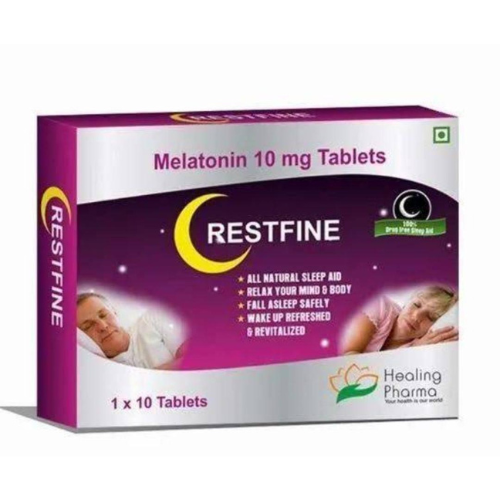
Restfine Melatonin 10mg
£55.00Order treatment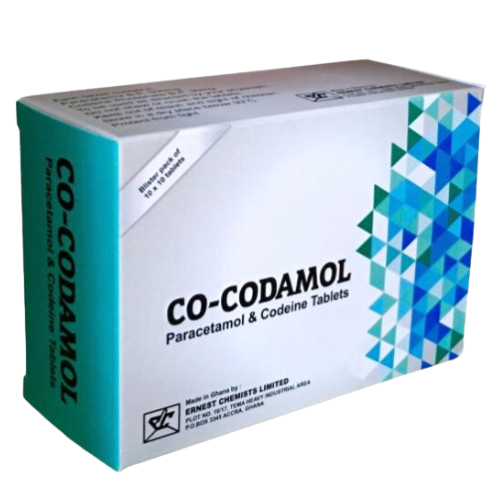
Co-codamol Paracetamol & Codeine Tablets
£40.50Order treatment
Xanax 4mg B707 boyings
£66.00Order treatment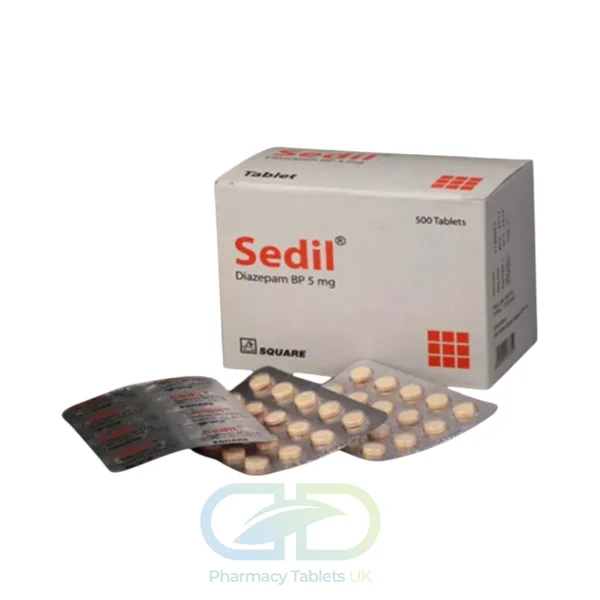
Sedi Diazapam 5mg
Sedi Diazapam 5mg for anxiety and stress relief Helps promote relaxation and calms the mind Supports a restful night's sleep
£36.00Order treatment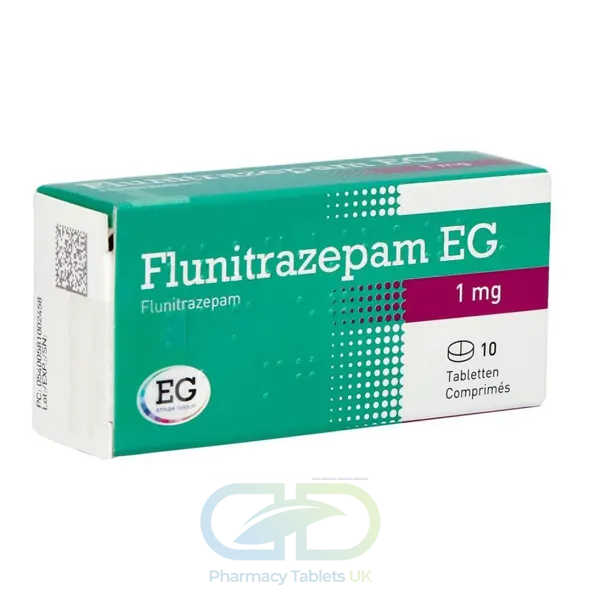
Flunitrazolam EG 1mg
Flunitrazepam is a benzodiazepine used to treat severe insomnia and assist with anesthesia. As with other hypnotics, flunitrazepam has been
£30.00Order treatment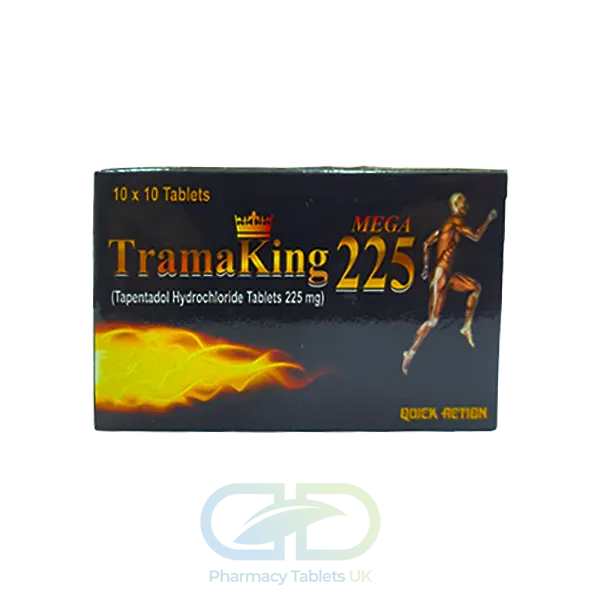
Tramadol Tramaking 225mg Tablets
What is Tramaking 225mg? Tamol-X 225mg is an opioid pain relief medication used for the relief of moderate to severe pain. Tramaking provide
£54.00Order treatmentTreatments listed here are offered subject to online consultation. GPhC-registered pharmacy.
References
Frequently asked questions
What are the top five sleeping pills available in the UK?
The top five sleeping pill types used in the UK include Z-drugs such as zopiclone and zolpidem, benzodiazepines such as temazepam, antihistamine-based options like promethazine, melatonin for circadian rhythm issues, and low-dose antidepressants prescribed off-label for sleep. Each works differently and suits different types of sleep problems. A GP or pharmacist can help you identify which category is appropriate for your situation.
What are the most commonly prescribed sleeping pills in the UK?
According to NHS prescribing data, zopiclone is one of the most frequently prescribed sleep medications in the UK, followed by temazepam and zolpidem. These are typically reserved for short-term use only, usually no longer than two to four weeks, due to the risk of dependence. Promethazine is the most widely available over-the-counter option.
How do different types of sleeping pills work in the body?
Different sleeping pills work through different mechanisms. Z-drugs and benzodiazepines enhance the effect of GABA, a calming neurotransmitter in the brain, helping to reduce anxiety and promote sleep onset. Antihistamines block histamine receptors to cause drowsiness. Melatonin mimics the body’s natural sleep hormone to reset the internal clock. Low-dose antidepressants reduce arousal through serotonin or histamine pathways.
Are natural sleeping pills as effective as pharmaceutical options?
Natural options like melatonin and valerian root have evidence supporting their use, particularly for mild or circadian-related sleep difficulties. However, they tend to be less potent than prescription medications for severe insomnia. The best approach often combines behavioural changes, good sleep hygiene, and targeted supplementation or medication where necessary, rather than relying on any single solution.
Can you become addicted to over-the-counter sleeping aids?
Over-the-counter antihistamine sleep aids are not considered physically addictive in the way that benzodiazepines are, but they can create psychological dependence and quickly lose their effectiveness as the body builds tolerance. Regular use beyond a few nights is generally not recommended. If you find yourself relying on any sleep aid nightly, it is worth speaking to a GP about underlying causes.
What are the potential side effects of popular sleeping pills?
Side effects vary by type. Z-drugs and benzodiazepines can cause morning grogginess, memory issues, and dependence with prolonged use. Antihistamines commonly cause next-day drowsiness and dry mouth. Melatonin is generally well tolerated but may cause headaches or vivid dreams in some people. Low-dose antidepressants used for sleep can cause weight changes and sexual side effects. Always read the patient information leaflet and speak to a pharmacist if you are unsure.
Which sleeping pill is best for different sleep problems?
For difficulty falling asleep, shorter-acting options or melatonin are often preferred. For staying asleep, longer-acting medications may be more appropriate. For sleep disrupted by anxiety, a GP might consider a short course of a benzodiazepine or low-dose antidepressant. For jet lag or shift work, melatonin is typically the first choice. No single pill suits everyone, and a healthcare professional should guide the decision.