
Treatment And Medicine
How to Fall Asleep Faster with ADHD: Proven Techniques and Sleep Protocols

Jul
If you’re trying to work out how to fall asleep faster with ADHD, you’ve probably already tried the usual advice and found it spectacularly unhelpful. ‘Just put your phone down and relax’ isn’t a sleep strategy. It’s a suggestion that completely ignores what’s actually happening in your brain. The good news is that there are real, evidence-informed techniques that account for ADHD neurology, and this guide walks through all of them.
Understanding ADHD and Sleep: Why Racing Thoughts Keep You Awake

Here’s the thing: ADHD doesn’t clock off at bedtime. The same neurological differences that make focus difficult during the day, particularly the dysregulation of dopamine and noradrenaline, continue to drive hyperarousal well into the night. The brain stays in a kind of high-alert state, scanning for stimulation, replaying conversations, or suddenly becoming very interested in a problem it completely ignored all afternoon.
According to research published on PubMed, up to 70% of adults with ADHD experience clinically significant sleep difficulties, and a substantial proportion have a delayed circadian rhythm, meaning their natural sleep window is pushed later than average3. This isn’t laziness or bad habits. It’s biology.
There’s also the issue of sleep onset insomnia, which is particularly common in ADHD. Lying in bed without stimulation is genuinely uncomfortable for many ADHD brains. The absence of input doesn’t create calm; it creates a vacuum that the mind rushes to fill with thoughts, worries, and random mental tangents. (I once spoke to a pharmacist who described her ADHD nights as ‘my brain hosting a very loud conference I didn’t book.’ That stuck with me.)
Anyway, understanding the mechanism matters because it changes the approach. You’re not trying to force sleep. You’re trying to gradually lower neurological arousal to a level where sleep can happen naturally.
The NHS acknowledges that sleep problems are a common and significant challenge for people with ADHD, affecting both quality of life and daytime functioning1. So if this is you, you’re far from alone, and the strategies below are grounded in that reality.
The 10-3-2-1-0 Rule: A Science-Backed ADHD Sleep Protocol

The 10-3-2-1-0 rule is one of the most practical sleep frameworks for ADHD because it replaces vague intentions with concrete, time-stamped actions. ADHD brains tend to respond well to external structure, and this protocol provides exactly that.
Here’s how it breaks down:
- 10 hours before bed: Stop all caffeine intake. Caffeine has a half-life of roughly five to six hours, meaning half of it is still active in your system at that point. For ADHD, where stimulant sensitivity is already heightened, this matters enormously.
- 3 hours before bed: Stop eating large meals. Digestion raises core body temperature and keeps the nervous system active, both of which work against sleep onset.
- 2 hours before bed: Stop all work and mentally demanding tasks. This is the point where you start actively disengaging from the day.
- 1 hour before bed: No more screens. Blue light suppresses melatonin production, but for ADHD the bigger issue is that screens provide the dopamine hits that keep the brain in an activated state.
- 0: Zero snooze button presses in the morning. Keeping a consistent wake time is one of the most powerful anchors for a delayed circadian rhythm.
Is it easy to follow perfectly every night? Honestly, no. But even implementing two or three of these steps consistently will produce a noticeable shift over two to three weeks. Start with the caffeine cutoff and the screen rule. Those two alone make a real difference.
For more general techniques that complement this approach, our guide on home remedies to fall asleep quickly covers a range of practical options worth exploring alongside this protocol.
Environmental Optimisation for ADHD Sleep Success
The bedroom environment matters for everyone, but it matters more for ADHD. Sensory sensitivity is common in this population, and a single disruptive stimulus (a flickering light, a distant sound, an uncomfortable texture) can be enough to abort a sleep attempt entirely.
Think of your bedroom as a sensory dial that needs turning down. Here’s what to address:
- Temperature: A cool room (around 16 to 18 degrees Celsius) supports the drop in core body temperature that signals sleep onset. ADHD brains often run warm.
- Light: Blackout curtains or a sleep mask are non-negotiable if you have any light sensitivity. Even small LED indicators on devices can be disruptive.
- Sound: White noise, brown noise, or low-frequency ambient sound can mask the unpredictable sounds that jolt an ADHD brain back to alertness. Many people find this genuinely transformative.
- Weighted blankets: These provide deep pressure stimulation, which activates the parasympathetic nervous system. Research on their use in ADHD is still emerging, but anecdotal reports are consistently positive.
- Clutter: Visual clutter activates the ADHD brain. A tidy, minimal sleep space reduces the cognitive load of just being in the room.
Dietary Triggers and Foods to Avoid Before Bedtime
What you eat and drink in the hours before bed has a direct impact on ADHD sleep quality. And it’s not just caffeine, though caffeine is absolutely the biggest offender.
Here’s what to watch out for:
- Caffeine: Coffee, tea, energy drinks, pre-workout supplements, and even some dark chocolates. The 10-hour cutoff from the protocol above is there for a reason.
- Sugar and refined carbohydrates: These cause blood sugar spikes followed by crashes, which can trigger night waking and restless sleep. The ADHD brain is particularly sensitive to blood glucose fluctuations.
- Alcohol: It may feel like it helps you fall asleep, but alcohol fragments sleep architecture in the second half of the night and suppresses REM sleep. For ADHD, where sleep quality is already compromised, this is a bad trade-off.
- High-tyramine foods: Aged cheeses, processed meats, and fermented foods can increase noradrenaline activity, which is already elevated in many ADHD presentations.
- Large portions generally: A full stomach keeps the digestive system active and raises core temperature. Light, easily digestible foods are better if you need to eat close to bedtime.
On the flip side, foods that support sleep include those rich in tryptophan (turkey, eggs, dairy), magnesium (leafy greens, pumpkin seeds, dark chocolate in small amounts earlier in the day), and complex carbohydrates that provide steady energy without the crash.
Calming an Overactive ADHD Brain: Proven Techniques

This is where most generic sleep advice falls flat. ‘Think calm thoughts’ is not a technique. For an ADHD brain in full spin, you need body-based interventions that bypass the thinking mind entirely.
The Physiological Sigh
This is arguably the fastest way to activate the parasympathetic nervous system. Take a double inhale through the nose (a full breath, then a small top-up sniff), then release a long, slow exhale through the mouth. Two or three repetitions can measurably reduce heart rate and interrupt a racing thought cycle. It works because the extended exhale activates the vagus nerve directly.
Progressive Muscle Relaxation
Starting from the feet and working upward, tense each muscle group for five seconds, then release. The contrast between tension and release sends a strong relaxation signal to the nervous system. It also gives the ADHD brain a structured task to focus on, which prevents it from wandering into anxious territory.
The Brain Dump
Keep a notebook by the bed. Before you try to sleep, spend five minutes writing down every unfinished thought, task, worry, or random idea that’s circling. Getting it out of your head and onto paper signals to the brain that it doesn’t need to keep holding onto those things. It’s a proper technique, not just journalling. Seriously, try it for a week.
Sensory Anchoring
Focus on physical sensations: the weight of the duvet, the temperature of the pillow, the sound of your own breathing. This is a grounding technique that pulls attention away from mental content and into the body. It’s essentially a simplified mindfulness practice, and it works well for ADHD because it gives the attention something concrete to do.
For even more rapid techniques, our article on how to fall asleep in 10 seconds covers some of the fastest-acting approaches, many of which complement ADHD-specific strategies well.
Sleep Positions and Body Alignment for ADHD Relief
No single sleeping position resolves ADHD sleep difficulties, and anyone claiming otherwise is oversimplifying. But body position can influence physical comfort and sensory experience in ways that matter.
Left-side sleeping is associated with improved lymphatic drainage and reduced acid reflux, both of which can contribute to night waking. Back sleeping can worsen snoring and sleep apnoea, which are more common in ADHD than in the general population and significantly degrade sleep quality. If you wake frequently and feel unrefreshed, it’s worth mentioning to a GP, as undiagnosed sleep apnoea is genuinely common in this group.
Proprioceptive input, the sense of pressure and body position, is often regulating for ADHD nervous systems. This is why weighted blankets, body pillows, or even just sleeping with a pillow between the knees can feel calming. It’s not placebo. It’s sensory regulation.
Medication Timing vs Natural Strategies: What Works Best
If you take prescribed ADHD medication, timing is everything when it comes to sleep. Stimulant medications (methylphenidate, lisdexamfetamine) have variable durations of action, and taking them too late in the day can significantly delay sleep onset. This is one of the most common and most fixable causes of ADHD-related insomnia.
NICE guidance on ADHD management emphasises the importance of reviewing medication timing and formulation as part of managing sleep difficulties2. If you suspect your medication is affecting your sleep, speak to your prescribing doctor before making any changes. Don’t just stop taking it, as that creates its own set of problems.
Some people with ADHD find low-dose melatonin helpful for resetting a delayed sleep phase. It’s not a sedative; it’s a circadian signal. Used at the right time (typically 30 to 90 minutes before the desired sleep time), it can gradually shift the sleep window earlier. But again, speak to a healthcare professional first, particularly if you’re on other medications.
Natural strategies and medication optimisation aren’t competing approaches. They work best together. The behavioural and environmental changes described in this article create the conditions in which medication can work more effectively, and vice versa.
But I digress. The point is: don’t assume you have to choose between medication and lifestyle changes. Most people with ADHD benefit from both.
Building an ADHD-Friendly Sleep Routine: Step-by-Step Guide
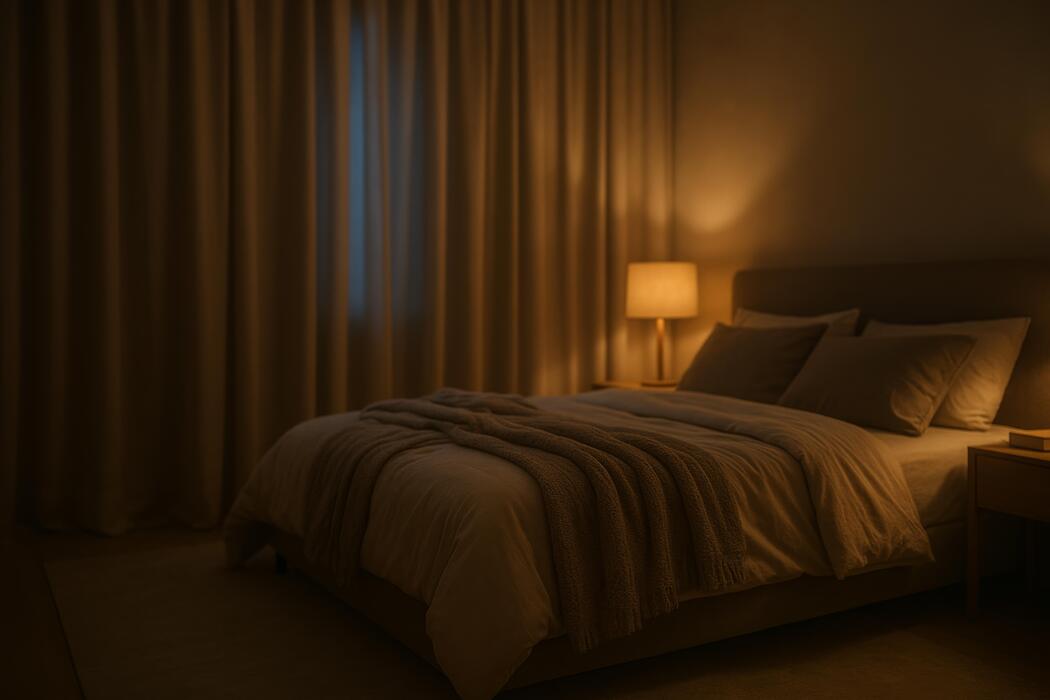
Consistency is the foundation of better sleep for ADHD, but rigid routines can feel suffocating. The goal is a flexible structure: a sequence of events that signals to the brain that sleep is coming, without requiring military-level precision.
Here’s a practical template to adapt:
- Set a consistent wake time and stick to it seven days a week. This is the single most powerful lever for stabilising a delayed circadian rhythm. The wake time anchors everything else.
- Apply the 10-3-2-1-0 rule as described above, starting with the caffeine and screen rules if the full protocol feels overwhelming.
- Create a wind-down sequence of three to four low-stimulation activities that you do in the same order each night. This could be a warm shower, a herbal drink, a brain dump, and five minutes of progressive muscle relaxation. The sequence itself becomes a sleep cue over time.
- Prepare your environment in advance. Lay out tomorrow’s clothes, set the room temperature, put on white noise. Removing decisions from the bedtime process reduces the cognitive friction that can derail an ADHD wind-down.
- Use a ‘worry window’ earlier in the evening, a dedicated 10-minute slot to write down concerns and next steps. This prevents the bed from becoming associated with problem-solving.
- Be kind to yourself when it doesn’t work. ADHD sleep is genuinely hard, and one bad night doesn’t erase progress. The goal is a gradual trend toward better sleep, not perfection.
If you want to explore what rapid sleep techniques look like in practice, our piece on how to sleep fast in 5 minutes offers a useful complement to this longer routine. And for those whose sleep difficulties overlap with broader insomnia patterns, how to fall asleep faster with insomnia covers the crossover in more detail.
The ADHD brain doesn’t need to be forced into sleep. It needs the stimulation dial turned down gradually, with structure it can actually follow.
This content is for informational purposes only and does not constitute medical advice. Always consult a qualified healthcare professional before starting any new supplement, herbal remedy, or treatment plan. Do not use this information to diagnose or treat any health condition without professional guidance.
Related treatments from PTUK
Regulated UK pharmacy. Prescription required where applicable.

Sedi Diazapam 5mg
Sedi Diazapam 5mg for anxiety and stress relief Helps promote relaxation and calms the mind Supports a restful night's sleep
£36.00Order treatment
Nitrazapam Tablets 10mg
£43.50Order treatment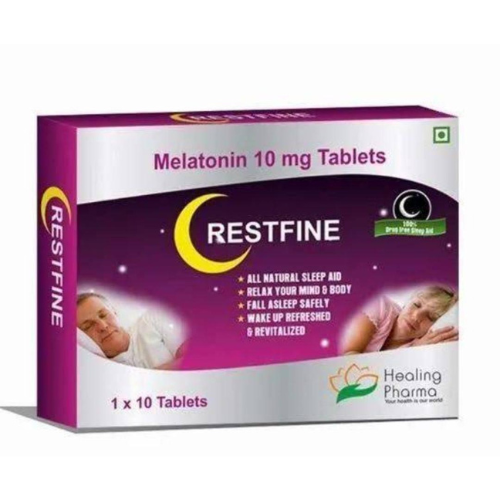
Restfine Melatonin 10mg
£55.00Order treatment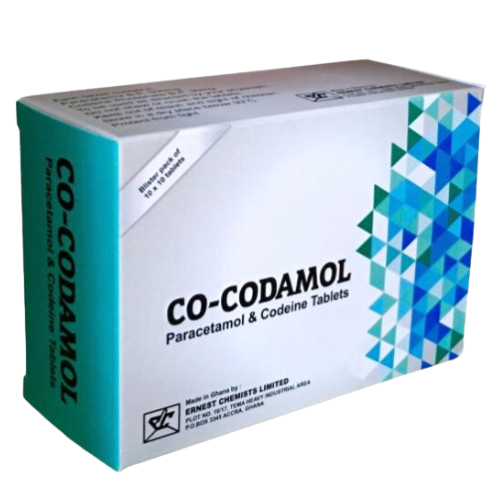
Co-codamol Paracetamol & Codeine Tablets
£40.50Order treatment
Xanax 4mg B707 boyings
£66.00Order treatment
Flunitrazolam EG 1mg
Flunitrazepam is a benzodiazepine used to treat severe insomnia and assist with anesthesia. As with other hypnotics, flunitrazepam has been
£30.00Order treatmentTreatments listed here are offered subject to online consultation. GPhC-registered pharmacy.
References
- ADHD and sleep problems – NHSnhs.uk
- Sleep disorders in ADHD – NICE Evidencenice.org.uk
- Circadian rhythm sleep disorders in ADHD – PubMedpubmed.ncbi.nlm.nih.gov
Frequently asked questions
Why do people with ADHD struggle to fall asleep compared to neurotypical individuals?
People with ADHD often have a delayed circadian rhythm and a hyperaroused nervous system, which means the brain stays in high-alert mode long after most people would naturally wind down. Racing thoughts, difficulty switching off from tasks, and heightened sensitivity to sensory input all make sleep onset significantly harder. Research suggests that up to 70% of adults with ADHD report chronic sleep difficulties. This is not a lack of willpower but a genuine neurological difference.
How to fall asleep faster with ADHD using the 10-3-2-1-0 rule?
The 10-3-2-1-0 rule is a timed wind-down protocol designed to gradually reduce stimulation in the hours before bed. You stop caffeine 10 hours before sleep, heavy meals 3 hours before, work tasks 2 hours before, screens 1 hour before, and commit to zero snooze button presses in the morning. For ADHD brains, this structured countdown replaces the vague intention to wind down with concrete, time-stamped actions that are much easier to follow.
Which foods and drinks make ADHD worse before bedtime?
Caffeine is the biggest culprit, as it blocks adenosine receptors and stays active in the body for up to 10 hours. Sugary foods cause blood sugar spikes and crashes that disrupt sleep architecture, while high-tyramine foods like aged cheese and processed meats can increase noradrenaline activity. Alcohol is also problematic as it may feel sedating initially but fragments sleep in the second half of the night, which is particularly disruptive for ADHD sleep patterns.
How can I calm an overactive ADHD brain at night without medication?
Body-based techniques tend to work better than purely mental ones for ADHD. The physiological sigh (a double inhale through the nose followed by a long exhale through the mouth) activates the parasympathetic nervous system quickly and can interrupt a racing thought cycle. Progressive muscle relaxation, weighted blankets, and writing a brain dump list before bed are all evidence-informed approaches that help discharge the mental load that keeps ADHD brains spinning at night.
Do sleep aids work differently for people with ADHD?
Some people with ADHD find that low-dose melatonin is helpful for resetting a delayed sleep phase, and this is one of the more studied approaches in this population. However, responses to sleep aids can vary considerably depending on ADHD presentation, co-existing conditions, and any prescribed ADHD medications. It is always important to speak with a GP or specialist before starting any sleep supplement, as some can interact with ADHD medications or mask underlying issues that need addressing.
What daily habits are making my ADHD worse and affecting sleep quality?
Irregular sleep and wake times are one of the most common culprits, as the ADHD brain is especially sensitive to circadian disruption. Hyperfocusing on screens late into the evening, skipping meals during the day and then eating heavily at night, and avoiding physical activity all compound sleep difficulties. Even small habit shifts, like keeping a consistent wake time seven days a week, can have a measurable impact on sleep quality over two to three weeks.
Is there an optimal sleeping position for ADHD-related sleep issues?
There is no single sleeping position that resolves ADHD-related sleep difficulties, but sleeping on the left side is associated with better lymphatic drainage and reduced acid reflux, both of which can disrupt sleep. Some people with ADHD find that using a weighted blanket or body pillow provides proprioceptive input that calms the nervous system. The most important factor is reducing sensory disruption in the bedroom environment rather than focusing on a specific position.