
Treatment And Medicine
How to Fall Asleep Faster with Insomnia: Techniques, Rules and When to Get Help
Jul
My gran had a ritual she swore by every night: warm milk, a quick read of her magazine, and lights out by ten. She never had trouble sleeping a day in her life. I used to think it was just luck. But the older I get, the more I realise she’d accidentally built the perfect sleep routine, decades before anyone called it “sleep hygiene.” If you’re here trying to figure out how to fall asleep faster with insomnia, the good news is there’s real science behind what actually works, and it’s more accessible than you’d think.
Understanding Insomnia: Definition, Severity and When to Seek Help
Insomnia isn’t just the odd rubbish night’s sleep. According to the NHS, insomnia is defined as regularly having trouble falling asleep, staying asleep, or waking too early, and it affects roughly one in three people in the UK at some point1. That’s a lot of bleary-eyed mornings.
There’s an important distinction between short-term (acute) insomnia and chronic insomnia. Acute insomnia lasts a few days to a few weeks, usually triggered by stress, illness, or a life event. Chronic insomnia means you’re having sleep difficulties at least three nights per week for three months or more. The difference matters because the approach changes depending on where you fall.
How to classify your insomnia severity
- Mild: Occasional poor nights, manageable daytime fatigue, no major impact on function.
- Moderate: Several nights per week, noticeable tiredness, some impact on work or mood.
- Severe: Nearly every night, significant impairment, affecting relationships, work, or safety.
If you’re in the severe category, or if you’ve been struggling for more than three months, it’s worth speaking to your GP. NICE recommends Cognitive Behavioural Therapy for Insomnia (CBT-I) as the first-line treatment for chronic insomnia, ahead of medication2. That’s not just a box-ticking recommendation. CBT-I has genuinely strong evidence behind it, and it addresses the root causes rather than just masking symptoms.
The 15-Minute Rule: Should You Stay in Bed or Get Up?
Here’s the thing: most people with insomnia do the exact wrong thing when they can’t sleep. They lie there, staring at the ceiling, getting more and more frustrated, willing their brain to switch off. And the longer they lie there, the more their brain starts to associate the bedroom with anxiety and wakefulness. That’s called conditioned arousal, and it’s one of the main reasons insomnia becomes self-perpetuating.
The 15-minute rule is a cornerstone of CBT-I. The idea is simple: if you’ve been lying awake for around 15 minutes and sleep isn’t coming, get up. Go somewhere else. Do something calm and low-stimulation, like reading a physical book, gentle stretching, or listening to quiet music. Then return to bed only when you genuinely feel sleepy again.
15-minute rule vs 20-minute rule: is there a difference?
You’ll see both versions referenced online. Honestly? The exact number doesn’t matter that much. What matters is the principle: don’t lie in bed awake for long periods. Whether you use 15 or 20 minutes as your threshold, the goal is the same. Break the association between your bed and wakefulness. Some sleep specialists even say not to watch the clock at all, because clock-watching itself creates anxiety. So if you’re going to use a rule, set a timer rather than staring at the time.
| Approach | Time threshold | Best for |
|---|---|---|
| 15-minute rule | 15 minutes | People who tend to lie awake for long stretches |
| 20-minute rule | 20 minutes | Those who find 15 minutes too short to relax naturally |
| CBT-I stimulus control | Variable (no clock-watching) | Chronic insomnia with strong conditioned arousal |
The key takeaway: don’t stay in bed awake. Get up, stay calm, come back when you’re sleepy. Repeat consistently, and over a few weeks most people see a real improvement.
Proven Techniques to Fall Asleep Faster with Insomnia: The 10-5-3-2-1 Method and Alternatives
If you’ve ever searched for ways to fall asleep faster, you’ve probably come across a dizzying array of numbered rules. The 4-7-8 breathing technique. The 10-5-3-2-1 countdown. The 3-3-3 rule. It can feel like someone’s just made these up. But some of them have a genuinely solid rationale behind them.
The 10-5-3-2-1 method explained
This one works backwards from bedtime, setting limits on things that disrupt sleep physiology:
- 10 hours before bed: No more caffeine. Caffeine has a half-life of around 5 to 6 hours, meaning half of it is still in your system hours later.
- 5 hours before bed: No heavy meals. Digestion raises core body temperature and can interfere with sleep onset.
- 3 hours before bed: No alcohol. It might help you drop off initially, but it fragments sleep later in the night.
- 2 hours before bed: No work or emotionally stimulating content. Give your brain time to decompress.
- 1 hour before bed: No screens. Blue light suppresses melatonin production.
What makes this method useful is that it’s specific. Vague advice like “wind down before bed” doesn’t tell you when or how. This does.
The 4-7-8 breathing technique
Developed by Dr Andrew Weil and based on pranayama breathing from yoga, this technique works by activating the parasympathetic nervous system. Breathe in for 4 counts, hold for 7, exhale slowly for 8. The extended exhale is the key part. It triggers a relaxation response and can genuinely reduce heart rate and anxiety within a few cycles. If you want a deep dive into rapid sleep onset methods, our guide to science-backed techniques to fall asleep in seconds covers this in more detail.
The 4-word trick
This one’s simpler than it sounds. When your mind starts racing at night, you repeat a slow, calming four-word phrase to yourself, something like “I am calm now” or “sleep is coming soon.” It’s a form of cognitive defusion, a technique borrowed from Acceptance and Commitment Therapy. The repetition gives your mind something neutral to focus on, crowding out the anxious thoughts that keep you awake. Simple. But it works for a lot of people.
The goal isn’t to force sleep. It’s to create the conditions where sleep can happen on its own.
Acupressure Points for Sleep: The 4-Gate Method and Finger Pressure Techniques

Acupressure is one of those areas where people either dismiss it entirely or swear by it. The truth, as usual, sits somewhere in the middle. The evidence base is still developing, but some small studies do suggest that targeted pressure on specific points can reduce anxiety and improve sleep onset, particularly in people with mild to moderate insomnia.
Key acupressure points to try
- Spirit Gate (HT7): Located on the inner wrist, at the crease just below the little finger. Press firmly with the opposite thumb for 30 to 60 seconds. This is the most widely cited point for sleep and anxiety.
- Anmian point: Found just behind the ear, in the small depression between the ear and the base of the skull. Gentle circular pressure here is associated with calming the mind.
- Yintang (Third Eye): The point between the eyebrows. Light, slow circular massage here can reduce mental chatter and promote relaxation.
- Sanyinjiao (SP6): Located on the inner leg, about four finger-widths above the ankle bone. Often included in acupressure protocols for sleep and stress.
The 4-Gate method
The 4-Gate method involves stimulating four specific acupressure points simultaneously, typically LI4 (between thumb and index finger on both hands) and LV3 (between the big toe and second toe on both feet). Practitioners suggest pressing these points for two to three minutes each in a calm, dimly lit environment. It’s a technique rooted in traditional Chinese medicine, and while large-scale clinical trials are limited, the practice itself is low-risk and many people find it genuinely calming as part of a pre-sleep routine.
Japanese Sleep Secrets: Cultural Practices That Actually Have Science Behind Them
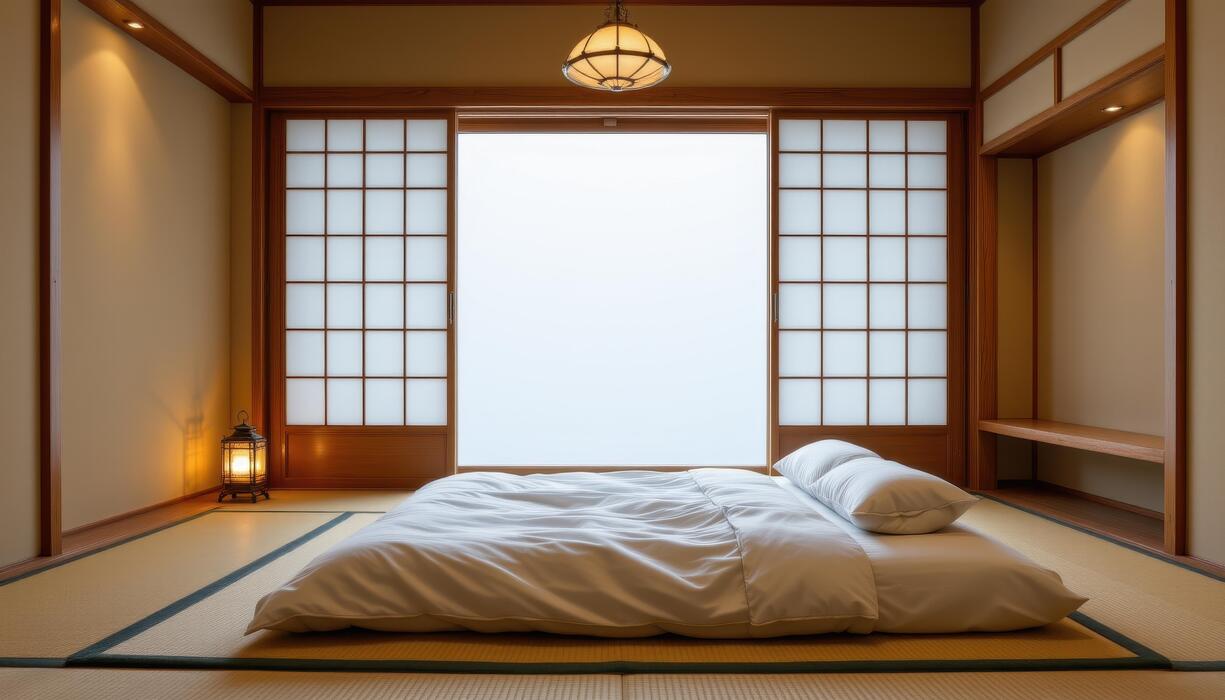
There’s been a surge of interest in Japanese approaches to sleep, and honestly, some of it is well-deserved. Japan has a complicated relationship with sleep as a culture (overwork and sleep deprivation are real problems there too), but traditional Japanese wellness practices do contain some genuinely useful principles.
Inemuri: the art of restorative rest
Inemuri is the Japanese practice of napping in public places, on trains, in meetings, even at work. It’s not seen as laziness. It’s seen as evidence that you’ve worked hard enough to be tired. The cultural acceptance of short restorative rest periods is interesting from a sleep science perspective, because polyphasic sleep (multiple shorter sleep periods rather than one long block) can work well for some people, particularly those who struggle to maintain eight unbroken hours.
Shinrin-yoku and the cortisol connection
Forest bathing, or shinrin-yoku, involves spending time walking slowly and mindfully in a natural, wooded environment. Research published on PubMed has found that shinrin-yoku significantly reduces cortisol levels, the stress hormone that keeps your nervous system in a state of alertness. Lower cortisol in the evening is associated with better sleep onset. You don’t need a forest, a park works too. Even a slow evening walk outside can make a difference.
The warm bath ritual
Japanese bathing culture (ofuro) involves soaking in a warm bath in the evening, often as a family ritual. This isn’t just pleasant. There’s solid physiological reasoning behind it. A warm bath raises your core body temperature, and then as you cool down afterwards, your body temperature drops, which signals to the brain that it’s time to sleep. Timing matters: a bath 1 to 2 hours before bed seems to be the sweet spot. For more community-tested approaches to sleep, the evidence-based sleep tips from real community experience article is worth a read.
Natural Sleep Hacks: Quick Wins Beyond the Obvious
Anyway, beyond the structured methods, there are a handful of smaller, practical changes that can genuinely shift the needle on sleep quality. None of these are magic. But stacked together, they create an environment where sleep becomes easier.
- Cold hands and feet: Wearing socks to bed sounds strange, but warming the extremities helps dilate blood vessels and redistribute heat away from the core, supporting the temperature drop that triggers sleep.
- Magnesium: Some research suggests magnesium glycinate may support sleep quality, particularly in people who are deficient. It’s not a cure-all, but it’s one of the more evidence-adjacent supplements in this space.
- Tart cherry juice: Contains naturally occurring melatonin and tryptophan. Small studies have shown modest improvements in sleep duration in older adults.
- Keeping a consistent wake time: This is arguably the single most powerful sleep hygiene habit. Even if you had a terrible night, getting up at the same time every day anchors your circadian rhythm.
And if you want a really structured approach to falling asleep quickly, our guide on how to sleep fast in 5 minutes covers eight techniques with a bit more depth.
Creating a Sleep-Conducive Environment: Beyond Bedroom Temperature
Everyone knows about keeping the bedroom cool (around 16 to 18 degrees Celsius is often cited as optimal). But there’s more to a sleep-friendly environment than the thermostat.
Light and darkness
Your circadian rhythm is primarily driven by light. Even small amounts of light, from a phone charger, a streetlamp through thin curtains, or a standby LED, can suppress melatonin and delay sleep onset. Blackout curtains or a good sleep mask are worth the investment. And in the morning, getting bright light exposure within 30 minutes of waking helps anchor your body clock, making it easier to feel sleepy at the right time in the evening.
Sound and silence
Complete silence isn’t always ideal. Some people sleep better with white noise, pink noise, or brown noise playing softly in the background. These steady sound frequencies mask sudden noise disruptions (a car outside, a neighbour’s door) that might otherwise jolt you awake. There are plenty of free apps and YouTube channels offering these sounds. Worth experimenting with if noise is a factor in your insomnia.
Scent
Lavender essential oil has a modest but real evidence base for promoting relaxation and improving sleep quality. A few drops on a pillow or in a diffuser won’t transform severe insomnia, but as part of a broader wind-down routine, it can help signal to your brain that sleep is coming.
When to Seek Emergency Help: Recognising Dangerous Sleep Deprivation

Most insomnia, while miserable, isn’t medically dangerous in the short term. But there are thresholds where sleep deprivation becomes a genuine health emergency.
Going without sleep for 72 hours or more can cause hallucinations, severe cognitive impairment, and in extreme cases, life-threatening physiological effects. But you don’t need to reach that point to need help. If you’re regularly getting fewer than five hours of sleep per night, or if your sleep deprivation is affecting your ability to drive safely, operate machinery, or care for dependents, that’s a reason to contact your GP urgently.
Signs that insomnia needs professional assessment:
- Sleep difficulties lasting more than three months, most nights of the week.
- Daytime functioning is significantly impaired (work, relationships, safety).
- You’re relying on alcohol or over-the-counter sleep aids regularly.
- You’re experiencing mood changes, depression, or anxiety alongside poor sleep.
- You have physical symptoms that might be causing the insomnia (pain, breathlessness, restless legs).
The NHS provides clear guidance on when to see a GP about insomnia, and it’s worth reading if you’re unsure whether your situation warrants a consultation1. NICE also has detailed clinical guidance on the management of insomnia that your GP will follow3.
This content is for informational purposes only and does not constitute medical advice. Always consult a qualified healthcare professional before starting any new supplement, herbal remedy, or treatment plan. Do not use this information to diagnose or treat any health condition without professional guidance.
Related treatments from PTUK
Regulated UK pharmacy. Prescription required where applicable.
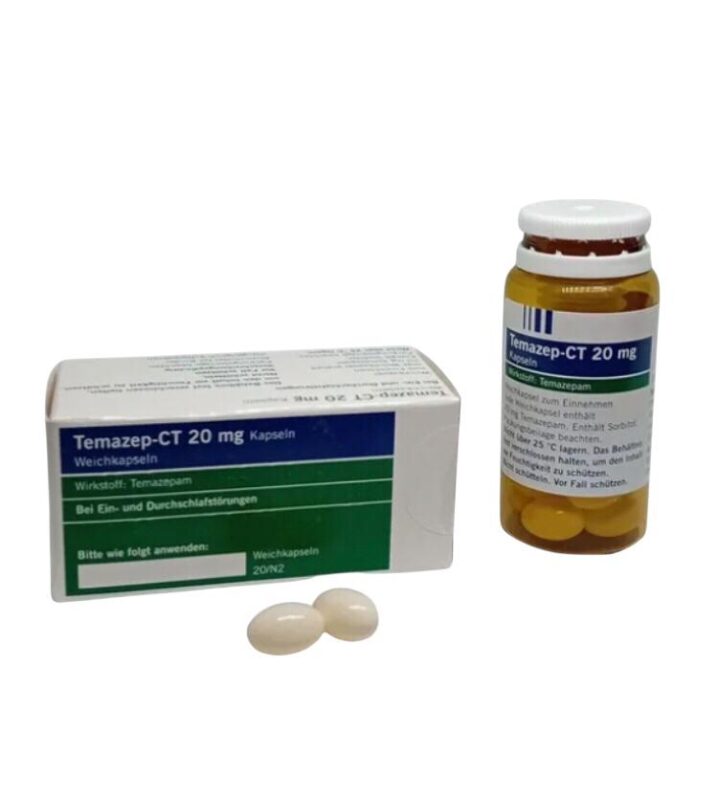
Treatments listed here are offered subject to online consultation. GPhC-registered pharmacy.
References
- Insomnia – NHS Overviewnhs.uk
- NICE Clinical Knowledge Summary: Insomniacks.nice.org.uk
- Cognitive and behavioural interventions for sleep disordersnice.org.uk
Frequently asked questions
What is the 15-minute rule for insomniacs and does it actually work?
The 15-minute rule suggests that if you can’t fall asleep within around 15 minutes, you should get out of bed and do something calm and low-stimulation until you feel sleepy again. The idea is to stop your brain associating the bed with frustration and wakefulness. It’s a core part of Cognitive Behavioural Therapy for Insomnia (CBT-I), which NICE recommends as a first-line treatment. Research supports it, though it takes consistency over several weeks to see real results.
How to fall asleep faster with insomnia using the 10-5-3-2-1 method?
The 10-5-3-2-1 method is a countdown approach to winding down before bed: no caffeine 10 hours before sleep, no food 5 hours before, no alcohol 3 hours before, no work or screens 2 hours before, and no screens at all in the final hour. It’s less about a single trick and more about stacking small habits that reduce physiological and mental arousal in the lead-up to sleep. Many people find it easier to follow than vague advice like “wind down before bed” because it gives specific time markers.
Which acupressure points can help me fall asleep and how do I use them?
The most commonly cited acupressure point for sleep is the Spirit Gate (HT7), found on the inner wrist just below the pinky finger side. Press it firmly with the opposite thumb for 30 to 60 seconds, breathing slowly. Another popular point is the Anmian point, located just behind the ear. While the evidence base is still developing, some small studies suggest acupressure can reduce anxiety and improve sleep quality, particularly in people with mild to moderate insomnia.
Can insomniacs eventually fall asleep naturally without medication?
Yes, most people with insomnia can improve their sleep significantly without long-term medication. CBT-I, sleep restriction therapy, and good sleep hygiene practices are all effective non-drug approaches. Medication can be helpful in the short term to break a cycle of sleeplessness, but it’s not a long-term fix on its own. If insomnia has persisted for more than three months, it’s worth speaking to a GP about a structured treatment plan.
How to fall asleep faster with insomnia when anxiety is making it worse?
Anxiety and insomnia often feed each other in a cycle where worrying about not sleeping makes sleep even harder. Techniques like progressive muscle relaxation, slow diaphragmatic breathing (inhale for 4 counts, hold for 7, exhale for 8), and cognitive restructuring from CBT-I can all help interrupt that cycle. Keeping a worry journal before bed, where you write down concerns and set them aside, is another practical tool. If anxiety is severe or persistent, a GP or therapist can offer further support.
What is the Japanese method for falling asleep quickly?
The Japanese approach to sleep often emphasises routine, a cool sleeping environment, and minimal stimulation before bed. Traditional practices like shinrin-yoku (forest bathing) reduce cortisol levels, while the ofuro warm bath ritual supports the body temperature drop that triggers sleep onset. Some Japanese wellness culture also embraces short restorative naps (inemuri) as a way to manage overall sleep debt. Several of these practices have modest but real scientific support behind them.
How much sleep deprivation constitutes a medical emergency?
Going without sleep for 72 hours or more is generally considered dangerous and can cause hallucinations, cognitive impairment, and serious health risks. However, you don’t need to reach that point to seek help. If you’re regularly getting fewer than five hours of sleep per night, or if sleep deprivation is affecting your ability to function safely, speak to a GP. Prolonged severe insomnia should always be assessed professionally rather than managed alone.