
Treatment And Medicine
Diazepam Ratiopharm: Uses, Dosage, Side Effects and How It Compares
Most claims about prescription medicines deserve scrutiny. Diazepam ratiopharm is different in one important way: it has decades of clinical use behind it, a well-understood mechanism, and a clear evidence base. But that doesn’t mean it’s simple. Understanding what this medicine actually does, how it compares to alternatives, and where the real risks lie is genuinely worth your time, especially if you or someone you care about has been prescribed it.
What Is Diazepam Ratiopharm?
Diazepam ratiopharm is a branded generic formulation of diazepam, manufactured by ratiopharm, a pharmaceutical company well known across Europe for producing high-quality generic medicines at accessible prices. The ratiopharm brand is owned by Teva Pharmaceuticals, one of the world’s largest generic drug manufacturers, and is subject to the same rigorous manufacturing standards as any licensed medicine in the UK and EU.
Diazepam itself is a benzodiazepine. It has anticonvulsant, anxiolytic (anti-anxiety), sedative, muscle relaxant, and amnesic properties. It’s been used in medicine since the 1960s and remains on the World Health Organisation’s List of Essential Medicines. So when you’re looking at the ratiopharm version, you’re looking at a well-established active ingredient in a trusted generic form.
Here’s the thing: many people don’t realise that branded generics like the ratiopharm formulation contain exactly the same active ingredient as the original branded product. The difference is in the manufacturer, the excipients (inactive ingredients), and sometimes the tablet coating. The therapeutic effect should be equivalent.
Diazepam Ratiopharm Uses: What Conditions Does It Treat?
Diazepam ratiopharm is prescribed for a range of conditions, all of which involve either overactive neural signalling or muscle tension. The main uses include:
- Anxiety disorders: Short-term relief of severe, disabling, or distressing anxiety that isn’t responding to other approaches.
- Alcohol withdrawal: Managing the acute symptoms of alcohol withdrawal, including tremor, agitation, and the risk of seizures.
- Muscle spasms: Relieving painful muscle spasms caused by conditions such as cerebral palsy, spinal cord injuries, or acute musculoskeletal problems.
- Seizure disorders: Used as an adjunct in certain epilepsy management protocols, particularly for acute seizure control.
- Pre-operative sedation: Sometimes used in hospital settings before surgical procedures to reduce anxiety and produce mild amnesia.
According to the NHS, diazepam is also used in hospital settings to reduce alcohol withdrawal symptoms, where its long duration of action makes it particularly useful for preventing the dangerous peaks and troughs associated with shorter-acting benzodiazepines.
It’s worth comparing these uses against what diazepam is not appropriate for. It is not a long-term solution for anxiety. It is not a sleep aid (though it does cause drowsiness). And it is not a substitute for psychological therapy or lifestyle changes in managing chronic anxiety conditions.
How Diazepam Ratiopharm Works
Diazepam works by enhancing the effect of gamma-aminobutyric acid (GABA), the brain’s main inhibitory neurotransmitter. Think of GABA as the nervous system’s natural braking mechanism. Diazepam binds to GABA-A receptors and makes them more responsive to GABA, effectively turning down the volume on neural activity across the brain and spinal cord.
This mechanism explains why diazepam has such a broad range of effects. Reduced neural activity in the limbic system produces anxiolytic effects. Reduced activity in the motor cortex and spinal cord produces muscle relaxation. Reduced activity in seizure-prone neural circuits produces anticonvulsant effects. And sedation follows from widespread CNS depression.
Diazepam also has active metabolites, most notably desmethyldiazepam (also called nordazepam), which itself has a very long half-life of 36 to 200 hours. This is why diazepam’s effects can persist long after the original dose. It’s also why accumulation is a real concern, particularly in elderly patients or those with liver impairment.
Anyway, the pharmacology is genuinely interesting. But what matters practically is this: diazepam works quickly, lasts a long time, and its effects build up with repeated dosing. That’s both its strength and its main risk.
Dosage and Administration of Diazepam Ratiopharm
Dosage varies considerably depending on the condition being treated, the age of the patient, and their overall health. The following table gives a general overview of typical adult dosing ranges. These are for reference only and should not replace individual medical advice.
| Indication | Typical Adult Dose | Frequency | Notes |
|---|---|---|---|
| Anxiety | 2 mg to 10 mg | 2 to 4 times daily | Lowest effective dose; short-term only |
| Alcohol withdrawal | 5 mg to 20 mg | As directed by clinician | Often given in reducing doses over several days |
| Muscle spasm | 2 mg to 15 mg | 2 to 4 times daily | Adjusted based on response |
| Seizure (acute) | As directed | Single or repeated doses | Usually administered in clinical settings |
| Pre-operative sedation | 5 mg to 15 mg | Single dose pre-procedure | Given under medical supervision |
For elderly patients, doses are typically halved to account for slower metabolism and increased sensitivity to CNS depressants. Children’s dosing is calculated by weight and is only appropriate in specific clinical contexts.
NICE guidance is clear that benzodiazepines like diazepam should be used at the lowest effective dose for the shortest possible time, generally no more than two to four weeks. This isn’t a suggestion. It’s a firm clinical recommendation designed to reduce the risk of dependence.
Tapering and Discontinuation
One area that doesn’t get nearly enough attention in patient information is how to stop taking diazepam safely. Stopping suddenly after regular use can cause withdrawal symptoms including rebound anxiety, insomnia, tremor, sweating, and in severe cases, seizures. This is not rare. It happens.
A proper tapering schedule involves gradually reducing the dose over weeks or even months, depending on how long the medication has been taken and at what dose. Some clinicians switch patients to a longer-acting benzodiazepine before tapering, which can make the process smoother. If you’ve been taking diazepam regularly, do not stop without speaking to your GP first. Seriously.
I remember speaking to a pharmacist friend who described a patient who’d been on diazepam for years, prescribed originally for a short-term crisis, who’d never been properly reviewed. Getting that person off the medication safely took the better part of a year, with careful dose reductions every few weeks. It’s a scenario that plays out more often than it should. But I digress.
Diazepam Ratiopharm Compared to Other Benzodiazepine Formulations
One question that comes up often is how the ratiopharm formulation compares to other versions of diazepam or to other benzodiazepines. Let’s break it down.
Ratiopharm vs Other Generic Diazepam Brands
In the UK, diazepam is available from multiple generic manufacturers. The ratiopharm version is widely used across Europe and is manufactured to EU Good Manufacturing Practice (GMP) standards. There is no clinical evidence that one generic diazepam formulation performs differently from another in terms of therapeutic effect, provided bioequivalence has been established. The differences are largely commercial.
If you’re curious about how the ratiopharm formulation compares to other branded diazepam options, our guide to other diazepam brand options available in the UK covers the key distinctions in detail.
Diazepam vs Other Benzodiazepines
| Medicine | Duration of Action | Main Uses | Dependence Risk |
|---|---|---|---|
| Diazepam | Long (half-life 20-100 hrs) | Anxiety, alcohol withdrawal, muscle spasm, seizures | High with prolonged use |
| Lorazepam | Medium (half-life 10-20 hrs) | Anxiety, acute seizures, pre-operative sedation | High |
| Oxazepam | Short-medium (half-life 4-15 hrs) | Anxiety, alcohol withdrawal (elderly patients) | Moderate to high |
| Clonazepam | Long (half-life 18-50 hrs) | Epilepsy, panic disorder | High |
| Temazepam | Short (half-life 5-15 hrs) | Short-term insomnia | High |
Diazepam’s long half-life makes it particularly useful for conditions requiring sustained coverage, such as alcohol withdrawal, where you want to avoid sharp drops in blood levels. But that same long half-life means it accumulates with repeated doses and can cause prolonged sedation, particularly in older patients.
Side Effects and Precautions
Side effects are real and worth knowing about before you start taking any benzodiazepine. The most common ones with diazepam include:
- Drowsiness and fatigue (very common, especially at higher doses)
- Muscle weakness and impaired coordination
- Confusion, particularly in elderly patients
- Memory impairment (anterograde amnesia)
- Slurred speech
- Paradoxical reactions: increased anxiety, agitation, or aggression (more common in children and elderly patients)
More serious but less common effects include respiratory depression, particularly when diazepam is combined with opioids, alcohol, or other CNS depressants. This combination can be genuinely dangerous. Not a bit dodgy. Dangerous.
Driving and operating machinery should be avoided while taking diazepam. The sedative effects can persist well into the following day, especially with evening doses. This isn’t just advice on a leaflet. It’s a legal consideration in the UK, where drug-impaired driving carries serious penalties.
Who Should Not Take Diazepam Ratiopharm
There are clear groups of people for whom diazepam is contraindicated or should only be used with extreme caution:
- People with a history of substance misuse or addiction
- Those with severe respiratory problems, including sleep apnoea
- Patients with severe liver disease (diazepam is metabolised by the liver)
- People with myasthenia gravis (a condition causing muscle weakness)
- Pregnant women, particularly in the first trimester and near delivery
- Breastfeeding mothers (diazepam passes into breast milk)
- Elderly patients (use with caution due to increased sensitivity and fall risk)
Children under six months should not be given diazepam. In older children, it is only used in specific clinical circumstances under close supervision.
Drug Interactions and Contraindications
Diazepam interacts with a significant number of other medicines and substances. The most important interactions to be aware of include:
- Opioid pain medicines: Combined use significantly increases the risk of respiratory depression and death. This combination should be avoided unless absolutely necessary and closely monitored.
- Alcohol: Enhances CNS depression. Even small amounts of alcohol can significantly increase sedation and impair coordination.
- Other CNS depressants: Including antipsychotics, antihistamines, antidepressants, and sleep medicines.
- Antiepileptic drugs: Interactions are complex; dosage adjustments may be needed.
- Muscle relaxants: Additive effects on muscle weakness.
- CYP3A4 inhibitors: Medicines that inhibit this liver enzyme (such as some antifungals and antibiotics) can increase diazepam blood levels.
Always tell your prescriber and pharmacist about every medicine you take, including over-the-counter products and herbal remedies. This isn’t just box-ticking. It genuinely matters.
Storage and Safety Information
Diazepam ratiopharm tablets should be stored below 25 degrees Celsius, away from direct light and moisture. Keep them in the original packaging and out of reach of children.
Do not share diazepam with anyone else, even if their symptoms seem similar to yours. This is a prescription medicine for a reason. Unused or expired tablets should be returned to a pharmacy for safe disposal. Do not flush them down the toilet or put them in household waste.
If you’re looking to source prescription medicines safely online, our guide to regulated online pharmacy services in the UK explains what to look for and how to verify a pharmacy is legitimate.
This content is for informational purposes only and does not constitute medical advice. Always consult a qualified healthcare professional before starting any new supplement, herbal remedy, or treatment plan. Do not use this information to diagnose or treat any health condition without professional guidance.
Related treatments from PTUK
Regulated UK pharmacy. Prescription required where applicable.
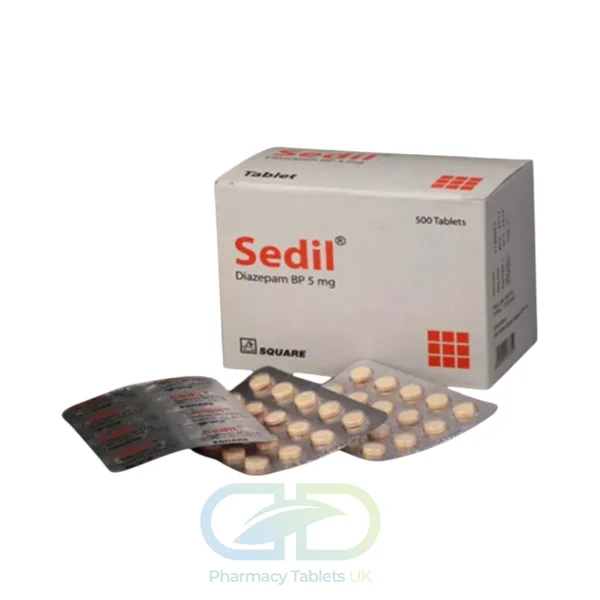
Sedi Diazapam 5mg
Sedi Diazapam 5mg for anxiety and stress relief Helps promote relaxation and calms the mind Supports a restful night's sleep
£36.00Order treatment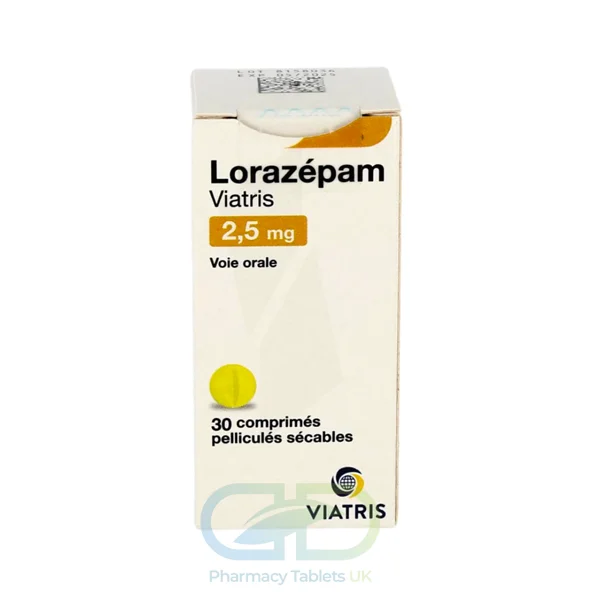
Lorazepam 2.5mg by Viatris
Lorazepam 2.5mg by Viatris is a benzodiazepine medication Helps with anxiety and insomnia relief Fast-acting and effective
£42.00Order treatment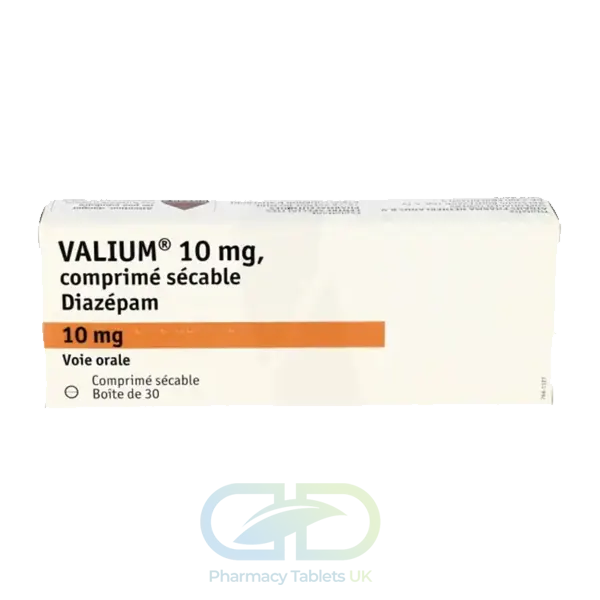
Valium 10mg by Atnahs
Valium 10mg by Atnahs offers powerful and reliable relief from anxiety, muscle spasms, and seizures. Each tablet contains 10mg of diazepam,
£40.00Order treatment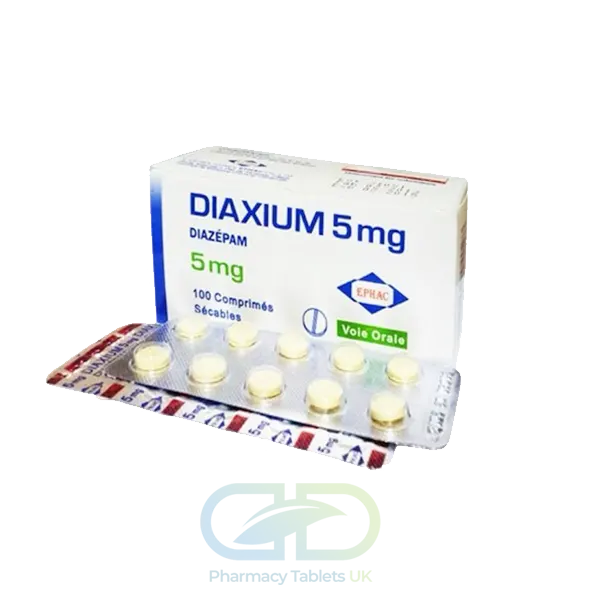
Daxium 5mg (Diazepam)
Daxium 5mg tablets provide rapid and effective relief from anxiety, muscle spasms, and seizures. Each tablet contains 5mg of diazepam, a tru
£36.00Order treatment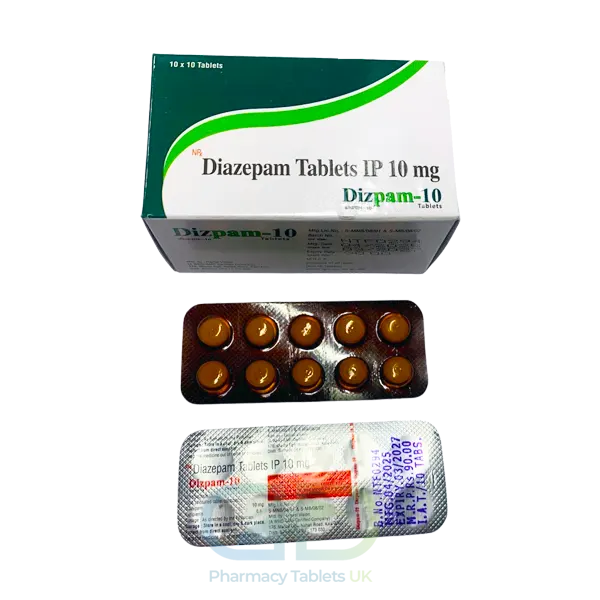
Diazepam Tablets IP 10mg (Dizpam-10)
Diazepam Tablets IP 10mg by Dizpam (Dizpam-10) Diazepam Tablets IP 10mg by Dizpam (Dizpam-10) are prescription tablets used to treat anxiety
£37.50Order treatment
Armogard 250 mg Tablet (Armodafinil 250 mg)
Introduction to Artvigil 250 mg Artvigil 250 mg is a potent medication designed to promote wakefulness and enhance alertness. This formulati
£42.00Order treatmentTreatments listed here are offered subject to online consultation. GPhC-registered pharmacy.
Frequently asked questions
What is Diazepam ratiopharm used for?
Diazepam ratiopharm is used to treat anxiety disorders, muscle spasms, alcohol withdrawal symptoms, and certain types of seizures. It belongs to the benzodiazepine class of medicines, which work by calming activity in the central nervous system. In hospital settings, it is also used as a short-term sedative before procedures. It is a prescription-only medicine in the UK and should only be used under medical supervision.
How long does Diazepam ratiopharm take to work?
Diazepam ratiopharm typically begins to take effect within 30 to 60 minutes of taking a tablet orally. The calming effects can last several hours due to diazepam’s long half-life and active metabolites, which remain in the body for an extended period. This long duration of action is one reason it is used in alcohol withdrawal management. Individual response times may vary depending on metabolism, age, and whether the tablet is taken with food.
What is the standard dosage for Diazepam ratiopharm?
The standard dosage depends on the condition being treated and the individual patient. For anxiety in adults, doses typically range from 2 mg to 10 mg taken two to four times daily. For alcohol withdrawal, higher doses may be used under close medical supervision. Elderly patients and those with liver or kidney problems are usually started on lower doses to reduce the risk of side effects.
Is Diazepam ratiopharm addictive?
Yes, Diazepam ratiopharm carries a real risk of physical and psychological dependence, especially with prolonged use or at higher doses. This is a property of all benzodiazepines, not just the ratiopharm formulation. NICE guidance and NHS advice both recommend limiting diazepam use to the shortest possible duration, generally no more than two to four weeks, to reduce this risk. Stopping suddenly after regular use can cause withdrawal symptoms, so any reduction should be done gradually under medical guidance.
Can Diazepam ratiopharm be used during pregnancy?
Diazepam ratiopharm is generally not recommended during pregnancy, particularly in the first trimester and near the time of delivery. Benzodiazepines can cross the placenta and have been associated with neonatal withdrawal symptoms and sedation in newborns. If you are pregnant or planning a pregnancy, it is essential to discuss the risks and benefits with your doctor before continuing or starting this medication.
What should I do if I miss a dose of Diazepam ratiopharm?
If you miss a dose of Diazepam ratiopharm, take it as soon as you remember, unless it is nearly time for your next scheduled dose. In that case, skip the missed dose and continue with your normal schedule. Do not take a double dose to make up for a missed one. If you are unsure, speak to your pharmacist or GP for personalised advice.