
Treatment And Medicine
Dextripam: What It Is, How It Compares, and What You Need to Know
Most people searching for Dextripam already know what diazepam is. They’ve heard it works, maybe a GP mentioned it, or they’ve seen it discussed online. But here’s the thing: knowing the active ingredient is only half the picture. The brand, the manufacturer, the source, and the regulatory status all matter enormously when it comes to safety. This guide cuts through the noise with an evidence-first look at Dextripam, how it compares to other diazepam products, and what you genuinely need to know before making any decisions.
What is Dextripam? Understanding the Diazepam Brand
Dextripam is a brand name for diazepam 10mg tablets, manufactured by MBL Pharma, a pharmaceutical company based in Pakistan. The active ingredient, diazepam, is a long-established benzodiazepine medicine with a well-documented pharmacological profile. Dextripam itself is not licensed or marketed in the UK. It appears primarily in online discussions and grey-market circles, which is precisely why understanding its status matters.
Diazepam was first synthesised in 1959 and has been on the World Health Organisation’s List of Essential Medicines for decades. It remains one of the most widely studied psychoactive compounds in clinical medicine. So the molecule itself is not in question. What is in question is where Dextripam sits within regulated medicine frameworks, and whether sourcing it outside those frameworks is safe. Spoiler: it isn’t.
In the UK, diazepam is available only on prescription1. It is dispensed under generic labelling or through established licensed manufacturers. Dextripam, as an MBL Pharma product intended for the Pakistani market, does not hold a UK Marketing Authorisation from the MHRA. That distinction is not a technicality. It has real implications for quality assurance, dosage reliability, and legal status.
Dextripam Uses: Anxiety, Seizures, and Muscle Spasms
Because Dextripam contains diazepam, its clinical applications mirror those of any diazepam product. The NHS recognises diazepam for several distinct indications, each with its own dosage range and treatment duration1.
- Anxiety disorders: Short-term management of generalised anxiety, particularly where symptoms are severe or disabling.
- Muscle spasms: Including those caused by neurological conditions, injury, or cerebral palsy.
- Alcohol withdrawal: To reduce the risk of seizures and manage acute withdrawal symptoms in a controlled clinical setting.
- Seizure disorders: As adjunctive therapy or for acute seizure management, including status epilepticus via rectal or intravenous routes.
- Pre-operative sedation: To reduce anxiety before surgical or diagnostic procedures.
- Insomnia: In specific circumstances, for very short-term use only, where anxiety is the primary driver of sleep disruption.
What this list tells you is that diazepam is a serious clinical medicine. It is not a general wellness supplement or a mild relaxant. Each of these indications requires professional assessment, proper dosing, and monitoring. The idea that you can self-prescribe your way through this is, frankly, rubbish.
How Dextripam Works: The Benzodiazepine Mechanism
Diazepam, the active ingredient in Dextripam, works by enhancing the effect of gamma-aminobutyric acid (GABA) at the GABA-A receptor in the brain. GABA is the central nervous system’s primary inhibitory neurotransmitter. Think of it as the brain’s braking system. Benzodiazepines bind to a specific site on the GABA-A receptor complex and increase the frequency of chloride ion channel opening in response to GABA binding. The result is increased inhibitory signalling throughout the CNS.
This mechanism produces the characteristic effects: anxiolysis (reduced anxiety), sedation, muscle relaxation, and anticonvulsant activity. The onset of action after oral administration is typically 15 to 60 minutes, with peak plasma concentrations reached within one to two hours. Diazepam has a notably long half-life, ranging from 20 to 100 hours, and its active metabolite (desmethyldiazepam) extends this further. That long half-life is both a clinical feature and a safety consideration.
I remember a conversation with a pharmacist colleague who described diazepam’s half-life as “the gift that keeps giving, but not always in a good way.” She was talking about accumulation in elderly patients. But the point stands for anyone: long half-life means the drug builds up with repeated dosing, and effects can persist long after the last tablet. Anyway, that’s the mechanism in plain terms.
Dextripam Dosage and Administration Guidelines
Because Dextripam is a 10mg diazepam tablet, dosage guidance follows standard diazepam prescribing practice as outlined in the BNF2. The appropriate dose varies significantly by indication, patient age, renal and hepatic function, and individual sensitivity.
| Indication | Typical Adult Dose | Frequency | Maximum Duration |
|---|---|---|---|
| Anxiety (oral) | 2mg to 10mg | 2 to 3 times daily | 2 to 4 weeks |
| Muscle spasm | 2mg to 15mg daily | Divided doses | Short-term only |
| Alcohol withdrawal | 5mg to 20mg | Repeated as needed | Clinician-supervised |
| Pre-operative sedation | 5mg to 10mg | Single dose (night before) | Single use |
| Insomnia (anxiety-related) | 5mg to 15mg | At bedtime | 2 to 4 weeks maximum |
A 10mg tablet, which is what Dextripam provides, sits at the higher end of the standard dosing range for anxiety. For many patients, particularly those new to benzodiazepines, elderly individuals, or those with hepatic impairment, a 10mg starting dose would be excessive. The BNF specifically recommends lower doses in elderly patients and those with liver disease due to reduced clearance2.
This is one reason why the fixed 10mg format of Dextripam is a clinical consideration. Legitimate UK prescribing typically uses 2mg or 5mg tablets, allowing for more flexible dose titration. A 10mg tablet can be scored and halved, but that introduces its own inconsistencies.
Side Effects and Safety Considerations
Diazepam’s side effect profile is well characterised. The most common effects relate directly to its CNS depressant action.
- Sedation and drowsiness: The most frequently reported effect, particularly at higher doses or in sensitive individuals.
- Cognitive impairment: Reduced concentration, memory difficulties (anterograde amnesia), and slowed reaction time.
- Ataxia: Impaired coordination and balance, increasing fall risk especially in elderly patients.
- Respiratory depression: A serious risk at high doses or when combined with other CNS depressants, including alcohol and opioids.
- Paradoxical reactions: In some patients, particularly children and elderly individuals, diazepam can cause increased anxiety, agitation, or aggression. This is not common, but it’s real.
- Dependence and withdrawal: Physical dependence can develop within weeks of regular use. Withdrawal symptoms include rebound anxiety, insomnia, tremor, and in severe cases, seizures.
The dependence risk deserves particular emphasis. NICE guidance is clear that benzodiazepines should not be used for longer than two to four weeks due to the risk of tolerance and physical dependence. Stopping abruptly after prolonged use can be genuinely dangerous. Any tapering plan should be medically supervised.
Dextripam vs Other Benzodiazepines: A Comparison
How does Dextripam (as a diazepam product) sit within the broader benzodiazepine class? This is where the comparison-led approach really earns its keep. Not all benzodiazepines are the same, and choosing between them involves real clinical trade-offs.
| Drug | Half-Life | Onset | Primary Use | Dependence Risk |
|---|---|---|---|---|
| Diazepam (Dextripam) | 20 to 100 hours | Intermediate | Anxiety, spasm, withdrawal | High (long-term) |
| Lorazepam | 10 to 20 hours | Intermediate | Anxiety, sedation, seizures | High |
| Clonazepam | 18 to 50 hours | Intermediate | Seizures, panic disorder | High |
| Temazepam | 8 to 22 hours | Rapid | Short-term insomnia | High |
| Oxazepam | 4 to 15 hours | Slow | Anxiety, alcohol withdrawal | Moderate (shorter half-life) |
Diazepam’s long half-life makes it particularly useful for alcohol withdrawal management because it self-tapers to some extent. But that same property makes it accumulate with repeated dosing, which is a problem for elderly patients or anyone with impaired liver function. Oxazepam, by contrast, has a shorter half-life and undergoes simpler hepatic metabolism, making it preferable in liver disease. Lorazepam is often preferred in acute settings because its pharmacokinetics are more predictable.
So where does Dextripam specifically fit? As a 10mg diazepam product, it offers nothing pharmacologically distinct from any other diazepam tablet. The brand name is not a clinical differentiator. The molecule is the molecule. What differs is manufacturing quality, regulatory oversight, and sourcing legitimacy. And on those fronts, a Pakistani-manufactured product not licensed in the UK compares unfavourably to MHRA-approved generics dispensed through registered pharmacies.
Sourcing Authentic Dextripam: Safety and Verification
Here’s where things get genuinely important, and where a lot of online content falls short.
Dextripam is not licensed in the UK. It is not available through NHS prescriptions or regulated UK pharmacies. If you encounter Dextripam being sold online or through informal channels in the UK, that product exists outside the regulated supply chain. Full stop.
The risks of unregulated benzodiazepine sourcing are not theoretical. Harm reduction organisations have documented that street benzodiazepines frequently contain substitute substances, including etizolam (a thienodiazepine not licensed in the UK), novel psychoactive compounds, or wildly inconsistent doses of the stated drug. A tablet labelled as 10mg diazepam might contain 2mg, 20mg, or something else entirely. That variability is genuinely dangerous, particularly given diazepam’s respiratory depression risk at high doses.
Counterfeit and unregulated benzodiazepines represent a significant public health concern. Misidentification of substances in street samples is common, and the consequences of accidental overdose or withdrawal from an unknown substance can be severe.
If you need diazepam for a legitimate medical reason, the correct route is via a registered GP or specialist, with dispensing through a regulated pharmacy. In the UK, you can verify a pharmacy’s registration through the General Pharmaceutical Council (GPhC) register. For guidance on choosing a legitimate online pharmacy, our guide to regulated online pharmacy services in the UK is a useful starting point. You might also find our Online Pharmacy 4U review and regulation check helpful when comparing your options.
There is no reliable way to verify that a Dextripam tablet purchased outside regulated channels is authentic. Visual inspection of packaging and tablets cannot confirm chemical composition. The only meaningful verification is through a regulated supply chain.
Precautions and Drug Interactions
Diazepam carries a significant interaction profile. These are not minor considerations. Some combinations are genuinely life-threatening.
- Opioids: Combining diazepam with opioid analgesics or opioid-containing cough medicines dramatically increases the risk of respiratory depression and death. The MHRA has issued specific warnings on this combination.
- Alcohol: Additive CNS depression. Even modest alcohol consumption can significantly amplify diazepam’s sedative effects.
- Other CNS depressants: Including antihistamines, antipsychotics, antidepressants, and other sedatives. All increase sedation risk.
- CYP3A4 inhibitors: Drugs that inhibit the CYP3A4 enzyme (including some antifungals and certain antibiotics) can increase diazepam plasma concentrations.
- Pregnancy and breastfeeding: Diazepam crosses the placenta and is present in breast milk. Use during pregnancy, particularly in the third trimester, is associated with neonatal withdrawal and floppy infant syndrome.
Contraindications include myasthenia gravis, severe respiratory insufficiency, sleep apnoea syndrome, and severe hepatic impairment. These are absolute contraindications, not suggestions.
Is Dextripam Right for You? Clinical Considerations
This is the question most people searching for Dextripam are really asking. And the honest answer requires separating two distinct scenarios.
Scenario one: You have a legitimate clinical need for diazepam, assessed by a doctor, and you’re wondering about different formulations or brands. In that case, Dextripam is not the right answer for UK patients. MHRA-licensed generic diazepam, prescribed and dispensed through regulated channels, is the appropriate option. It offers the same pharmacological effect with proper quality assurance and legal status.
Scenario two: You’re considering sourcing Dextripam through informal channels because you can’t or don’t want to go through a prescriber. This is a path with serious risks: legal, safety, and health-related. The substance you receive may not be what it claims to be. The dose may be unpredictable. And using a controlled substance without medical supervision removes the safety net that proper prescribing provides.
Beyond diazepam specifically, it’s worth knowing that for anxiety management, there are evidence-based options that don’t carry the same dependence risk. NICE guidelines prioritise psychological therapies such as cognitive behavioural therapy (CBT) as first-line treatment for generalised anxiety disorder, with pharmacological options including SSRIs and SNRIs before benzodiazepines are considered for long-term management. Benzodiazepines have a role, but it’s a specific, time-limited one.
The broader point: if anxiety, muscle spasms, or sleep difficulties are affecting your quality of life, that deserves proper clinical attention. Not a tablet sourced from an unregulated market.
This content is for informational purposes only and does not constitute medical advice. Always consult a qualified healthcare professional before starting any new supplement, herbal remedy, or treatment plan. Do not use this information to diagnose or treat any health condition without professional guidance.
Related treatments from PTUK
Regulated UK pharmacy. Prescription required where applicable.
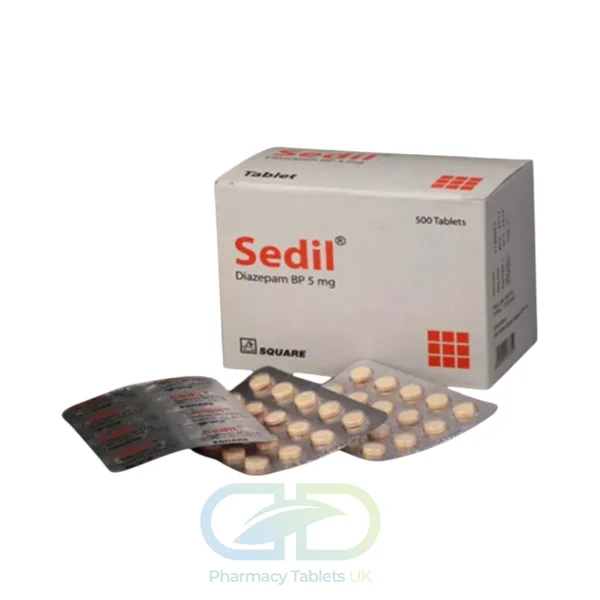
Sedi Diazapam 5mg
Sedi Diazapam 5mg for anxiety and stress relief Helps promote relaxation and calms the mind Supports a restful night's sleep
£36.00Order treatment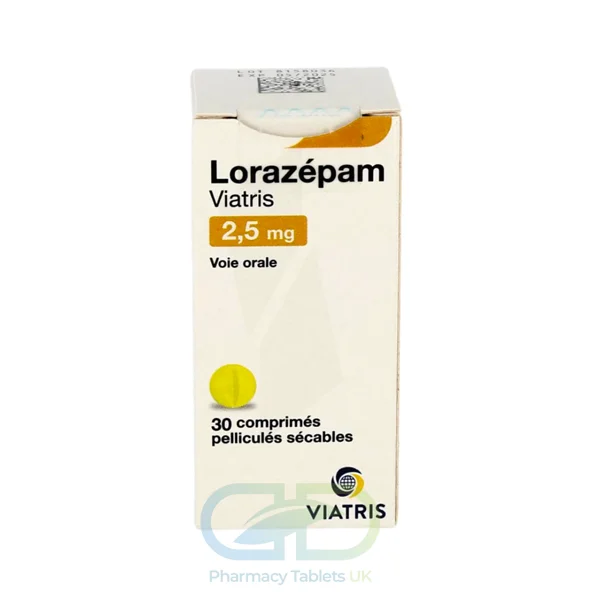
Lorazepam 2.5mg by Viatris
Lorazepam 2.5mg by Viatris is a benzodiazepine medication Helps with anxiety and insomnia relief Fast-acting and effective
£42.00Order treatment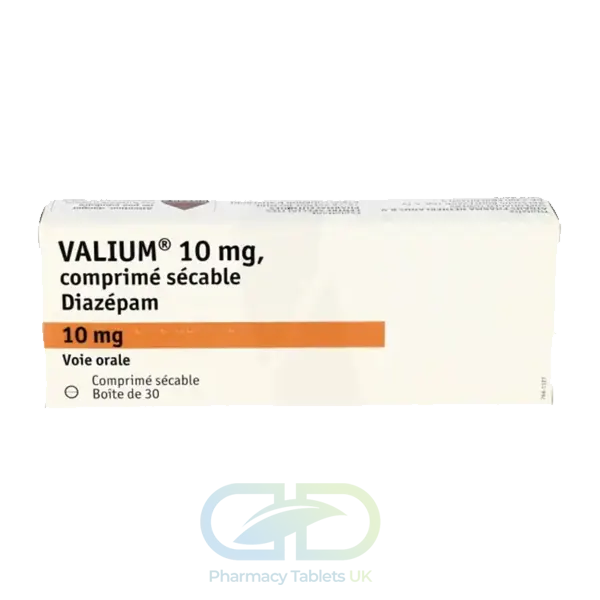
Valium 10mg by Atnahs
Valium 10mg by Atnahs offers powerful and reliable relief from anxiety, muscle spasms, and seizures. Each tablet contains 10mg of diazepam,
£40.00Order treatment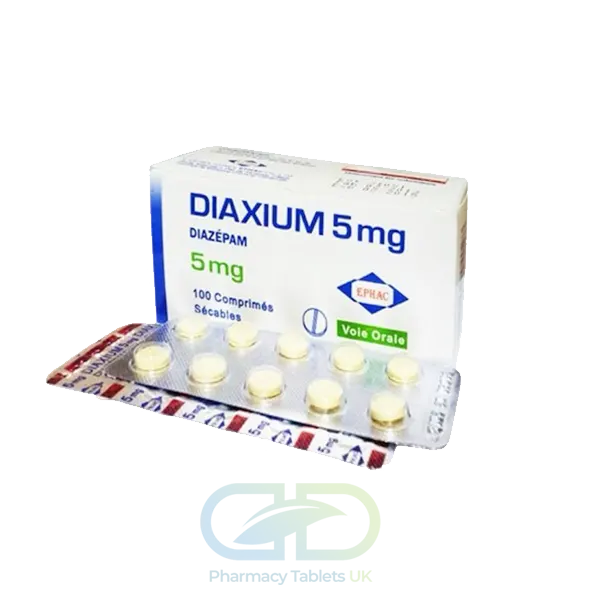
Daxium 5mg (Diazepam)
Daxium 5mg tablets provide rapid and effective relief from anxiety, muscle spasms, and seizures. Each tablet contains 5mg of diazepam, a tru
£36.00Order treatment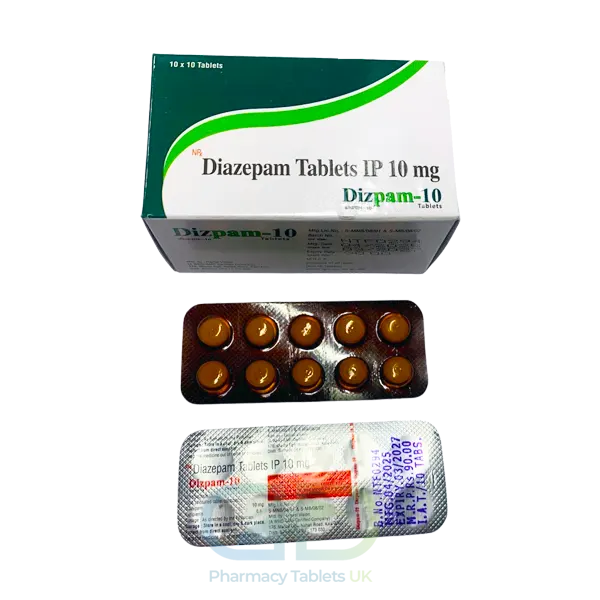
Diazepam Tablets IP 10mg (Dizpam-10)
Diazepam Tablets IP 10mg by Dizpam (Dizpam-10) Diazepam Tablets IP 10mg by Dizpam (Dizpam-10) are prescription tablets used to treat anxiety
£37.50Order treatment
Armogard 250 mg Tablet (Armodafinil 250 mg)
Introduction to Artvigil 250 mg Artvigil 250 mg is a potent medication designed to promote wakefulness and enhance alertness. This formulati
£42.00Order treatmentTreatments listed here are offered subject to online consultation. GPhC-registered pharmacy.
References
- Diazepam – NHS Medicines Informationnhs.uk
- Diazepam – BNF Drug Monographbnf.nice.org.uk
Frequently asked questions
What is Dextripam and how does it differ from regular diazepam?
Dextripam is a brand name for diazepam 10mg, manufactured by MBL Pharma in Pakistan. It contains the same active ingredient as other diazepam products, so pharmacologically it is identical. The differences lie in manufacturing standards, excipients, and regional availability rather than the core medicine itself. In the UK, diazepam is typically prescribed under generic labelling or established brands regulated by the MHRA.
Is Dextripam a controlled substance in the UK?
Yes. Diazepam, the active ingredient in Dextripam, is classified as a Class C controlled substance under the Misuse of Drugs Act 1971 in the UK, and a Schedule 4 drug under the Misuse of Drugs Regulations 2001. This means it requires a valid prescription from a registered prescriber and cannot be legally sold or supplied without one. Possession without a prescription is a criminal offence.
What conditions does Dextripam treat?
Dextripam contains diazepam, which is used clinically for short-term management of anxiety disorders, muscle spasms, alcohol withdrawal symptoms, seizure disorders, and procedural sedation. The NHS also recognises its use in managing acute agitation and certain sleep disorders in specific circumstances. It is not intended for long-term use due to the risk of dependence.
What are the risks of counterfeit Dextripam?
Counterfeit benzodiazepine products, including those sold as Dextripam outside regulated channels, may contain incorrect doses, substitute substances such as etizolam or novel psychoactive compounds, or no active ingredient at all. According to harm reduction organisations, street benzodiazepines are frequently misidentified or adulterated, making unregulated sourcing genuinely dangerous. The safest approach is to obtain any diazepam product only via a licensed prescriber and regulated pharmacy.
Can Dextripam be used long-term?
Clinical guidance strongly advises against long-term use of diazepam, including Dextripam. NICE and NHS guidelines recommend limiting benzodiazepine prescribing to the shortest effective duration, generally no more than two to four weeks, due to the well-documented risks of physical dependence, tolerance, and withdrawal symptoms. Long-term use requires careful medical supervision and a planned tapering strategy if discontinuation is needed.